 Water where it shouldn't be
 Pipes that might be old
 A freeze is coming (AI picture)
 After a flood
 A smell you can't place
 Who to call and what they need
 Whose water, town by town
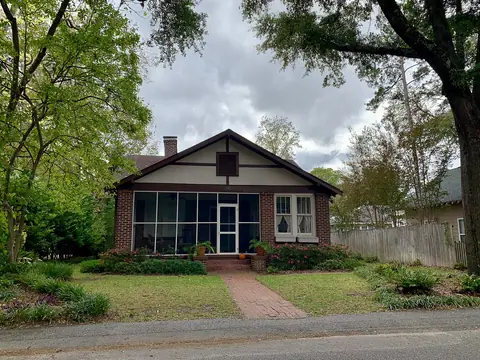 Every picture on the walk
At the street, stop 3 of 6
Tree roots and the sewer line
Tree roots in a sewer line usually get in at an old joint or crack, and the first sign is slow or gurgling drains that keep coming back. Columbia Water asks that trees stay out of utility easements for this reason1. A plumber’s camera settles whether roots are the cause.
Stand at your biggest tree and look along the line between the house and the street.
Updated , Midlands House Walk
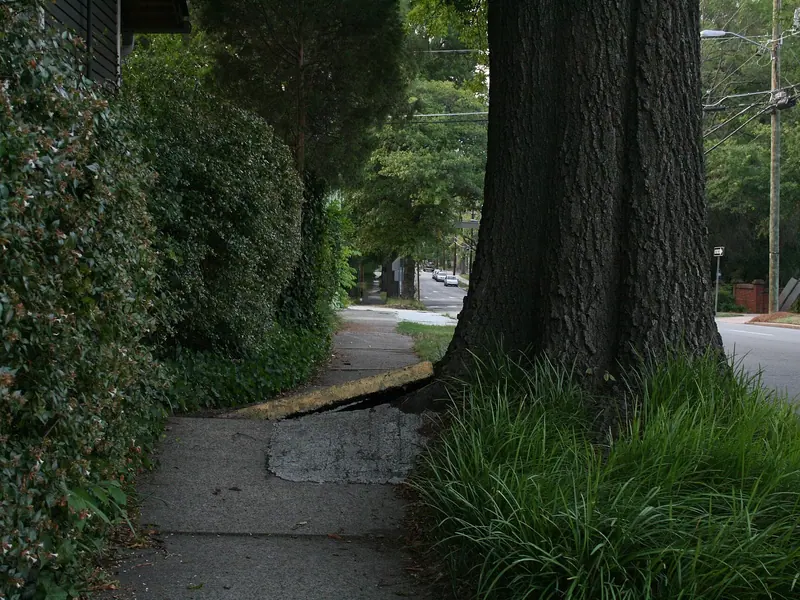
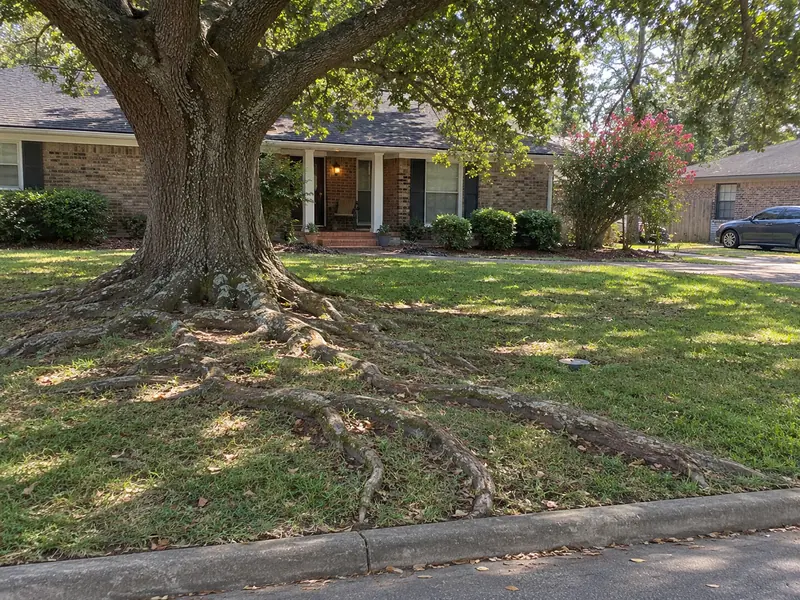
Roots heading for the curb
- Look for
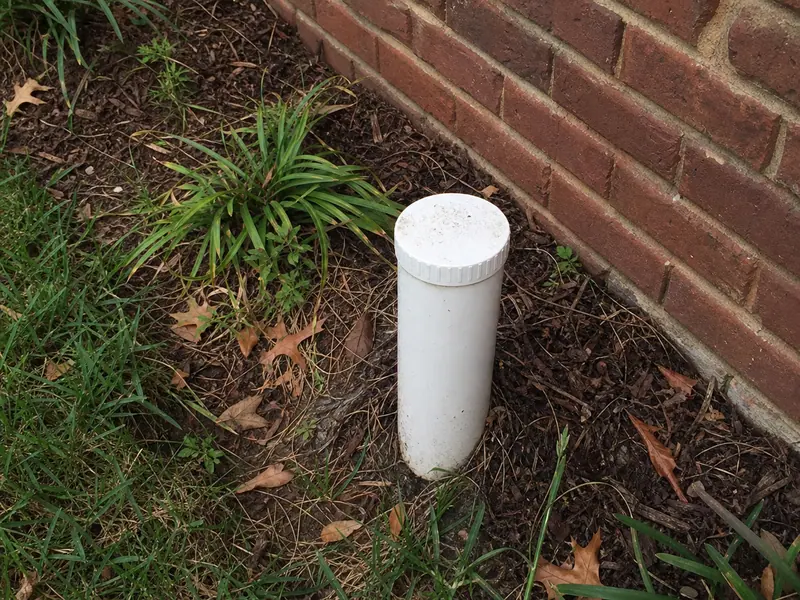
- Stand on the route from your cleanout to the street and note which trees sit close. Surface roots show only part of the spread.
- What it tells you
- A tree near the line is no proof of trouble. It tells you what to mention to a plumber when drains slow down.
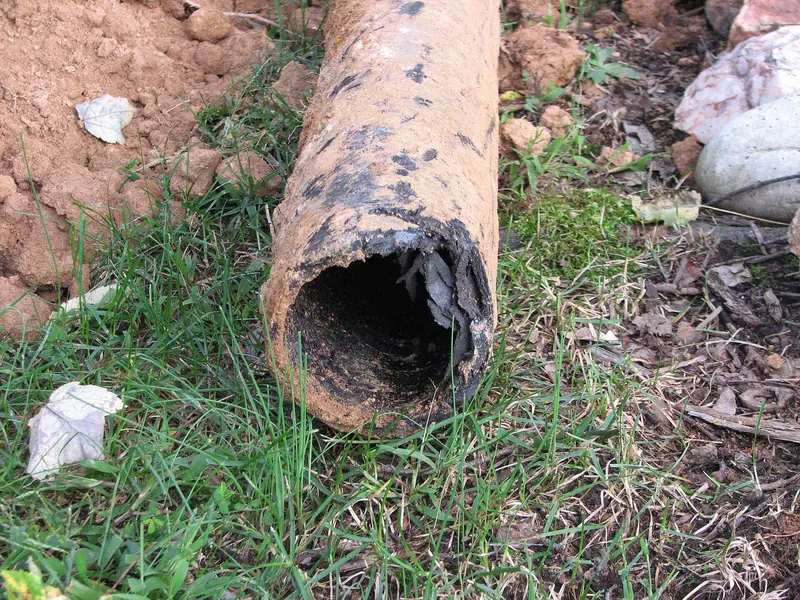
Old pipe gives roots a way in
- Look for
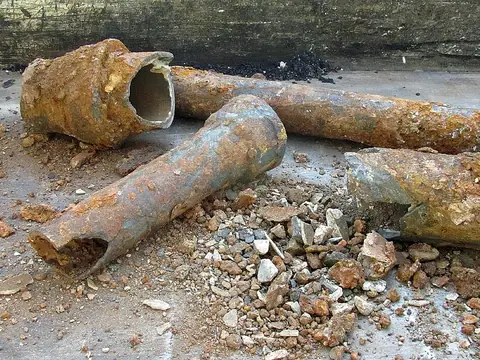
- Ask what your line is made of. A plumber’s camera report or an old inspection may say, and an older house is more likely to have older pipe.
- What it tells you
- Damaged pipe leaves gaps for roots. In Columbia Water’s area the stretch up to the property line is the homeowner’s2, so where the break sits matters.
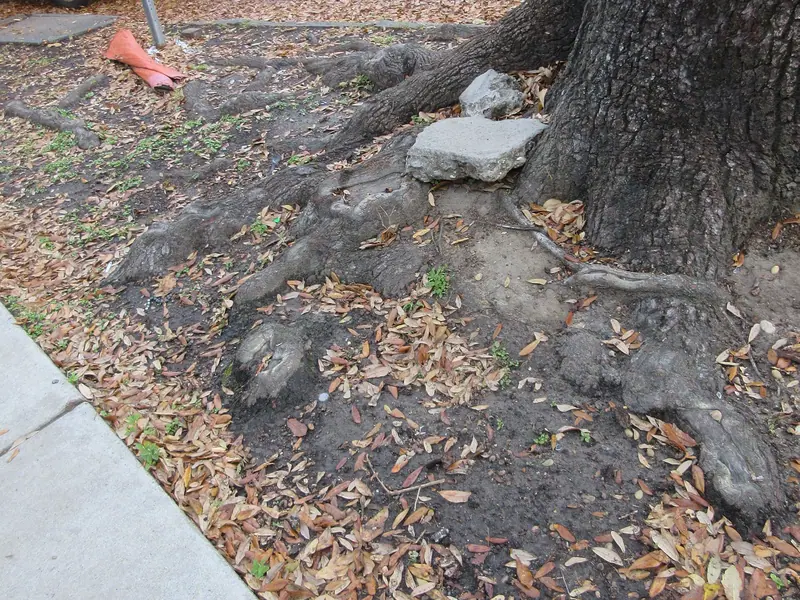
Trees in the strip by the street
- Look for
- Check whether the tree stands in the strip by the street, and whether a utility easement crosses your lot. Your plat should show it, or the utility can tell you.
- What it tells you
- Columbia Water says trees should not be planted in the utility easement, which keeps roots off the pipes and cuts overflows1. If a tree already stands there, ask the utility before you do anything to it.
Which trees stay away from a septic field?
Clemson names willows, red and silver maples, beeches, birches, elms and poplars as roots to avoid. It suggests less aggressive shrubs no closer than 10 feet, and small less aggressive trees no closer than 20 feet5. There is more on septic care.
What if a drain is already backing up?
Roots can wait. Stop using water and go to the first hour of a backup.
Yours to do
For a licensed pro
- Cutting roots out of a line with a cable or a water jet.
- A camera inspection showing where roots enter.
- Repairing or replacing the broken stretch once you know whose it is.