 Water where it shouldn't be
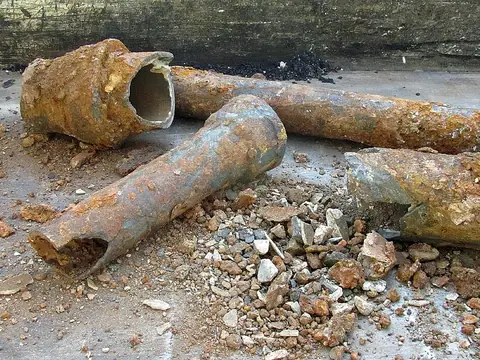 Pipes that might be old
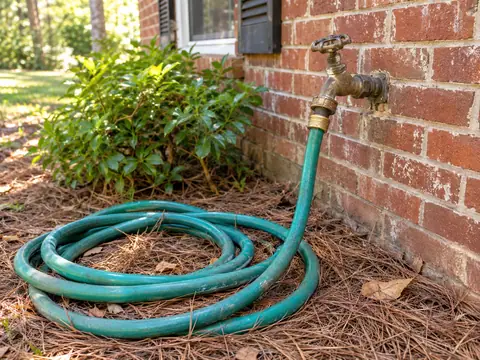 A freeze is coming (AI picture)
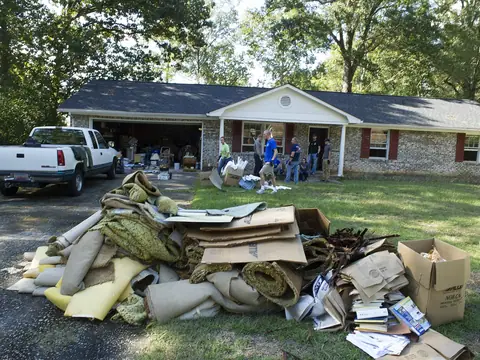 After a flood
 A smell you can't place
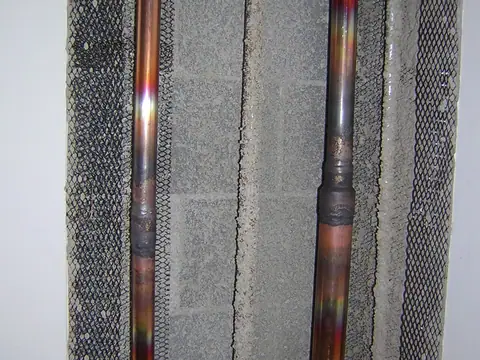 Who to call and what they need
 Whose water, town by town
 Every picture on the walk
What is worrying you: a smell you can't place
A smell you can't place: yard, drain or gas
A sewer smell in the yard can mean a failing septic system or a leaking sewer line, so note where it is strongest and leave every lid shut1. If it could be gas or propane, leave the house first and make your calls from outside2.
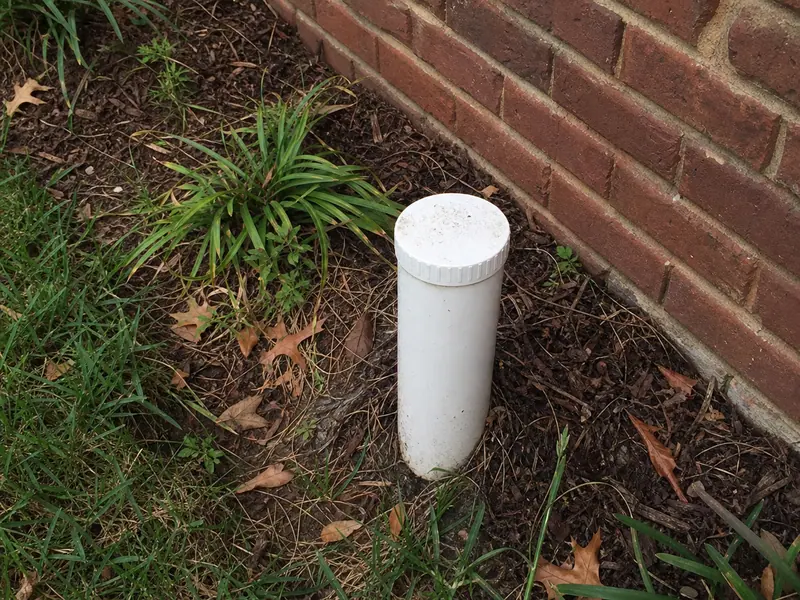
Start at the back door and walk the yard slowly, staying on the grass and off any lids.
Updated , Midlands House Walk
A gas or propane smell comes before everything else on this page. Get everyone out, without touching a switch or using a phone inside. Once outside, call 911 and the gas company or propane supplier2.
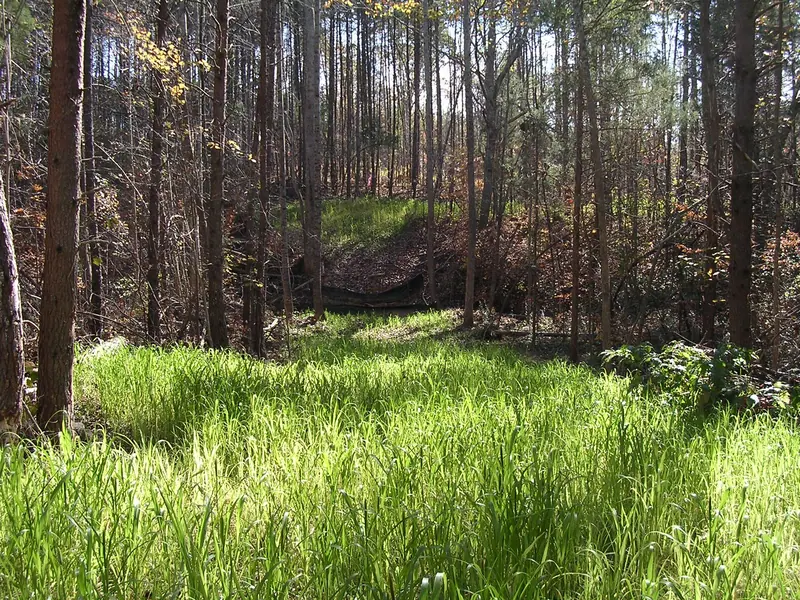
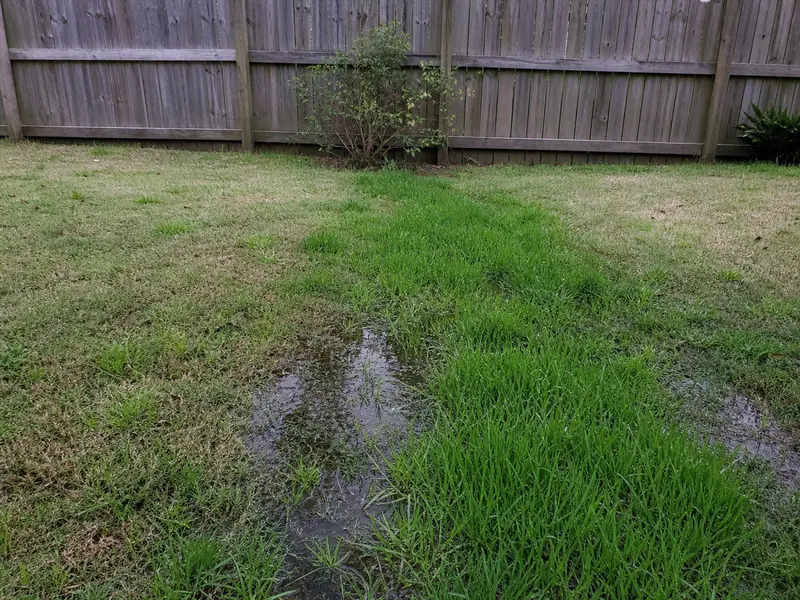
Greener or soggier grass
- Look for
- Clemson’s failure signs include greener grass over the field, a dead grass outline and soggy areas, along with odors1.
- What it tells you
- A smell plus any of these points toward the septic system. The soggy patch stop helps you sort septic from pipe from rain.
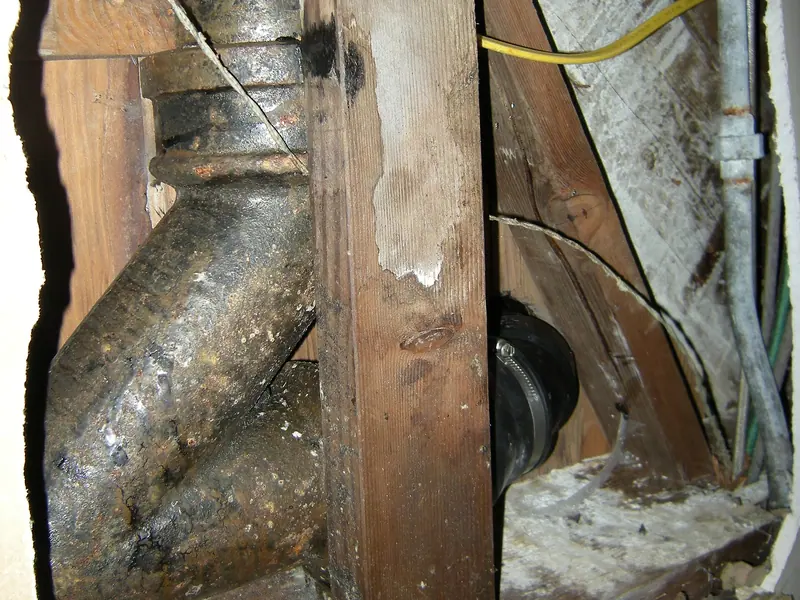
Indoors, near a drain
- Look for
- If it could be gas, even a rotten-egg smell, leave the house first and call from outside; gas companies add that odor so leaks get noticed. Only when you’re sure it’s a drain smell, note which room it’s strongest in. Run water down any drain nobody uses, because a dry trap lets sewer air through.
- What it tells you
- Slow drains along with the smell are another of Clemson’s signs1. Sewage coming up a drain needs different steps, and quickly.
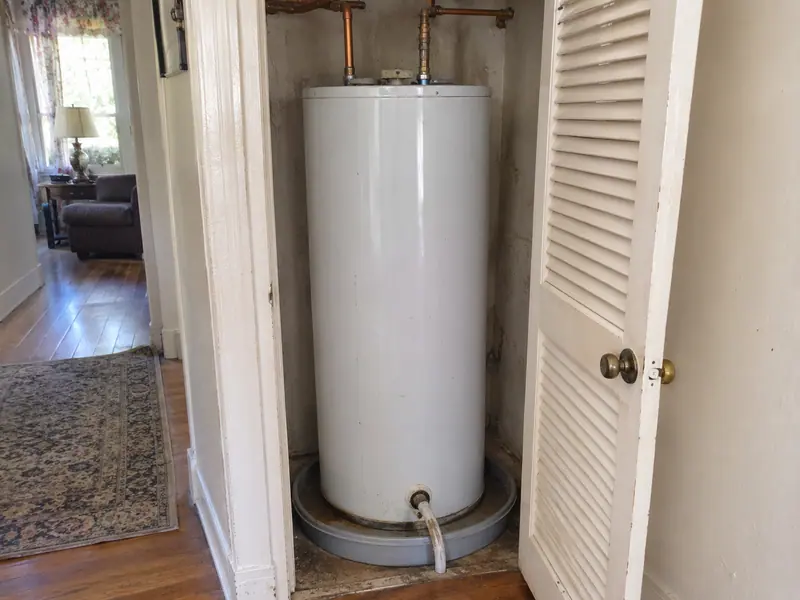
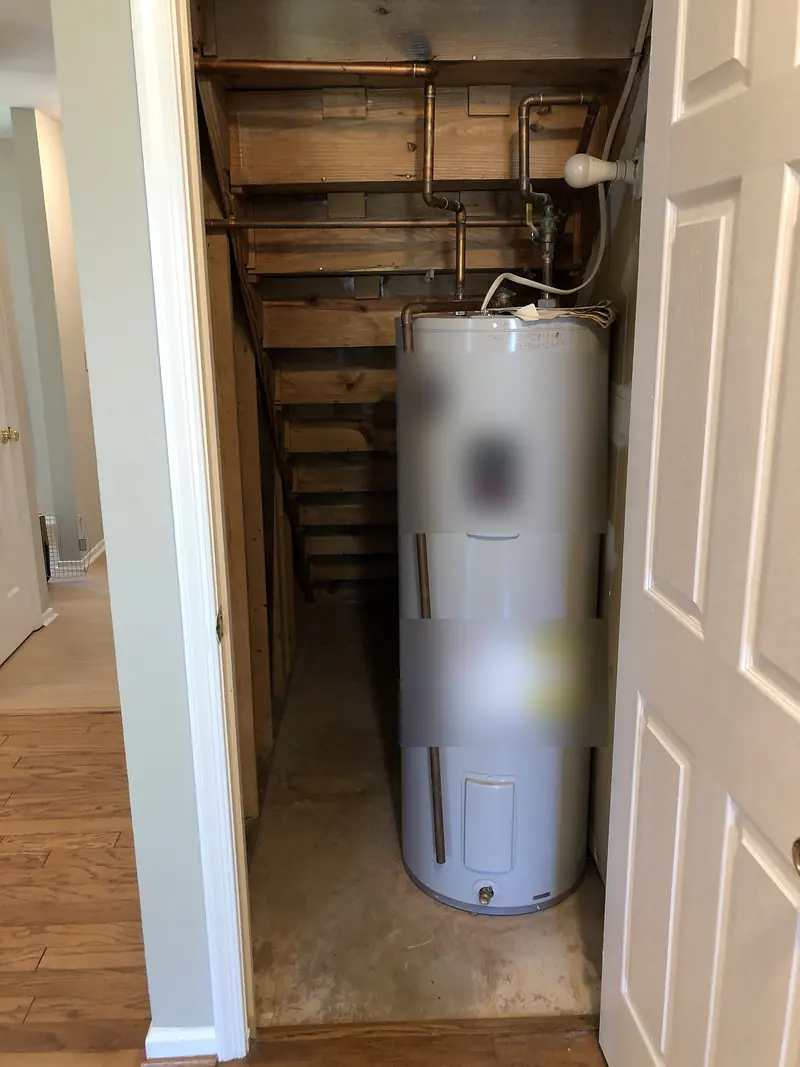
Near the water heater
- Look for
- If it smells at all like gas, skip this check and leave. Otherwise, note whether the smell seems to come from this closet, and don’t open panels or touch the heater.
- What it tells you
- The water heater stop says what to look at on an ordinary day. A smell of gas or propane here isn’t an ordinary day, so read the warning on this page.
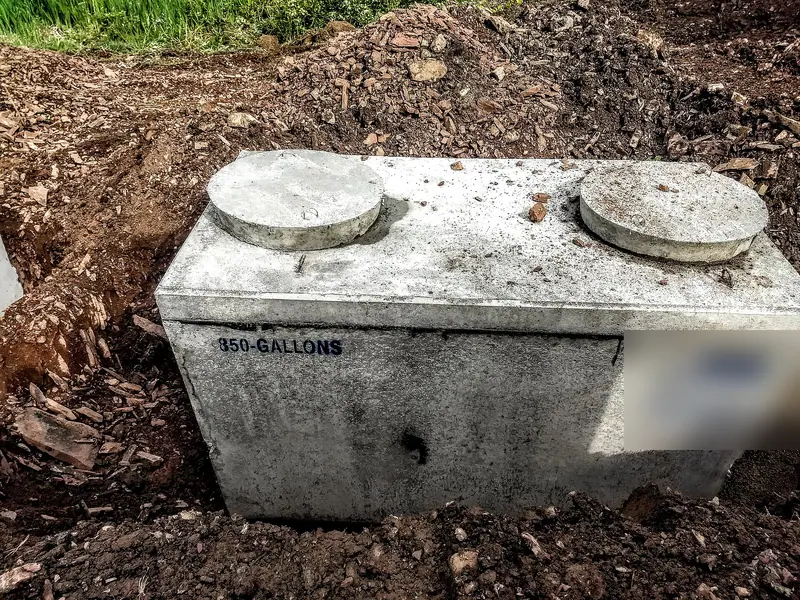
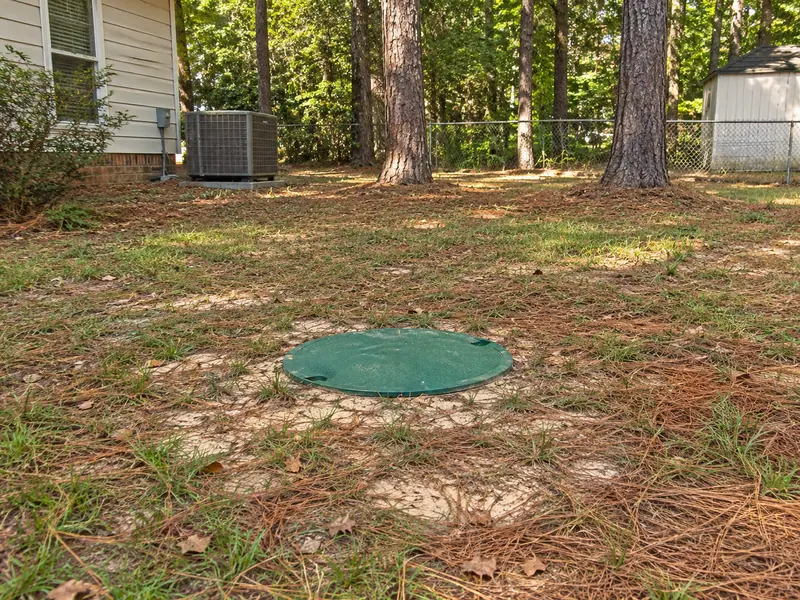
What stays closed
- Look for
- Look at the ground around a lid for sagging or wet spots, from where you stand, and don’t go any closer.
- What it tells you
- Don’t lean over a tank: fumes can cause fainting, a flame nearby can cause an explosion, and old tanks can collapse1.
What if it's coming from next door?
Clemson says failing systems are reported to the regional environmental office, and a complaint can lead to a violation under Reg 61-561. Septic now sits with SC DES, though Clemson’s pages may still say DHEC. A friendly word over the fence may be the first step. There’s more on septic care.
Yours to do
For a licensed pro
- Licensed septic contractors do inspections, repairs and pump-outs. Clemson says owners shouldn’t inspect a tank themselves5.
- A plumber for drains, traps and sewer lines inside the house.
- The gas company or propane supplier for any gas smell.