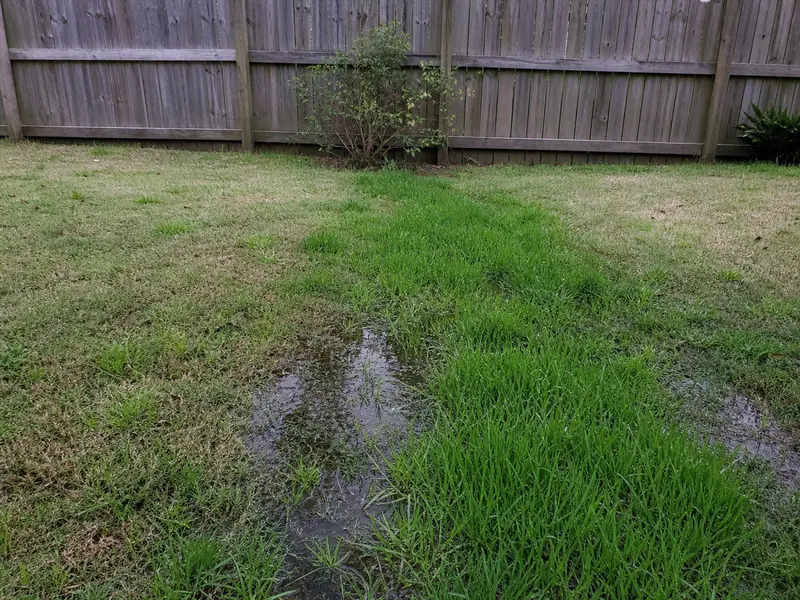
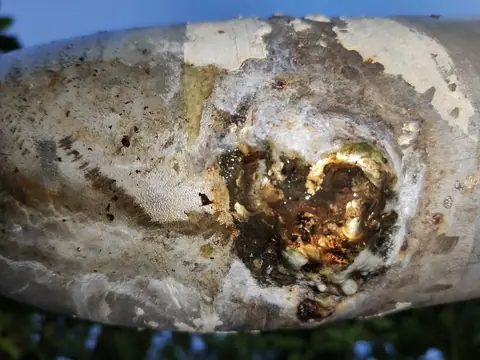
 Water where it shouldn't be
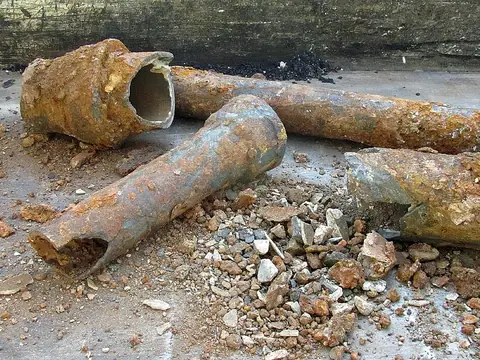 Pipes that might be old
 A freeze is coming (AI picture)
 After a flood
 A smell you can't place
 Who to call and what they need
 Whose water, town by town
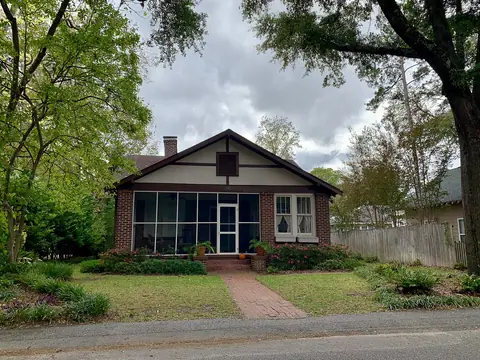 Every picture on the walk
Back yard, stop 3 of 7
Septic care: what goes in, what stays off
Septic system care means watching what goes down the drain and what sits on the field, then leaving the tank to a licensed contractor. Clemson says pump every 3 to 5 years and inspect every 1 to 21. EPA says inspect at least every 32. Additives aren’t needed3.
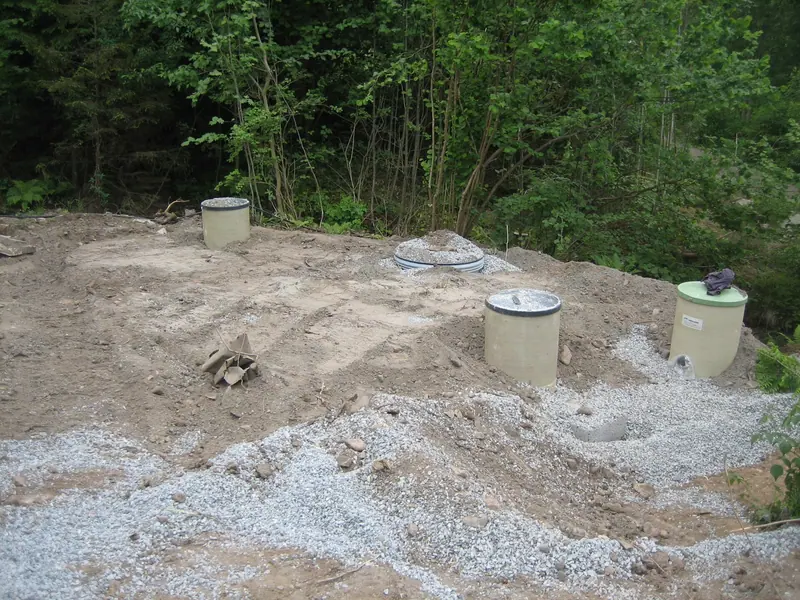
Go to the back yard and stand where you can see the lid and the grass over the drain field.
Updated , Midlands House Walk
Leave the lid closed: never open a tank or lean over one, since fumes can cause fainting, and a flame nearby risks an explosion5.
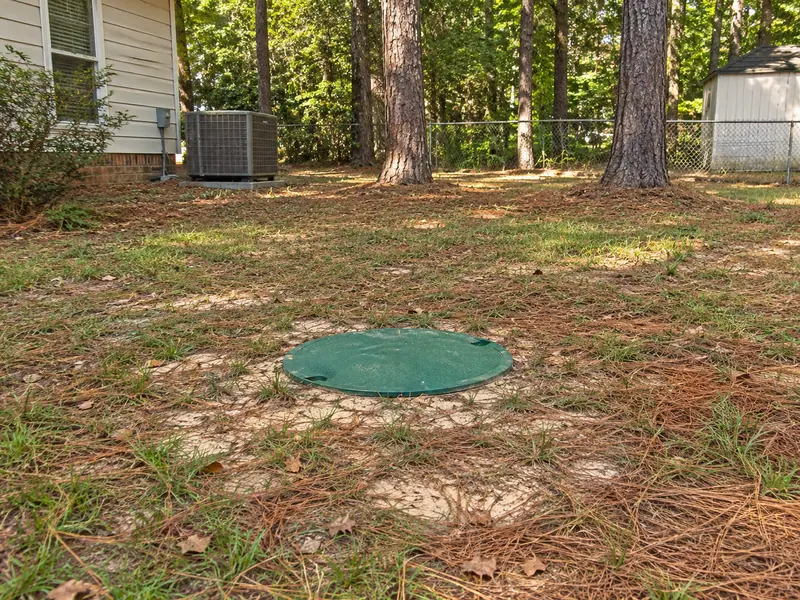
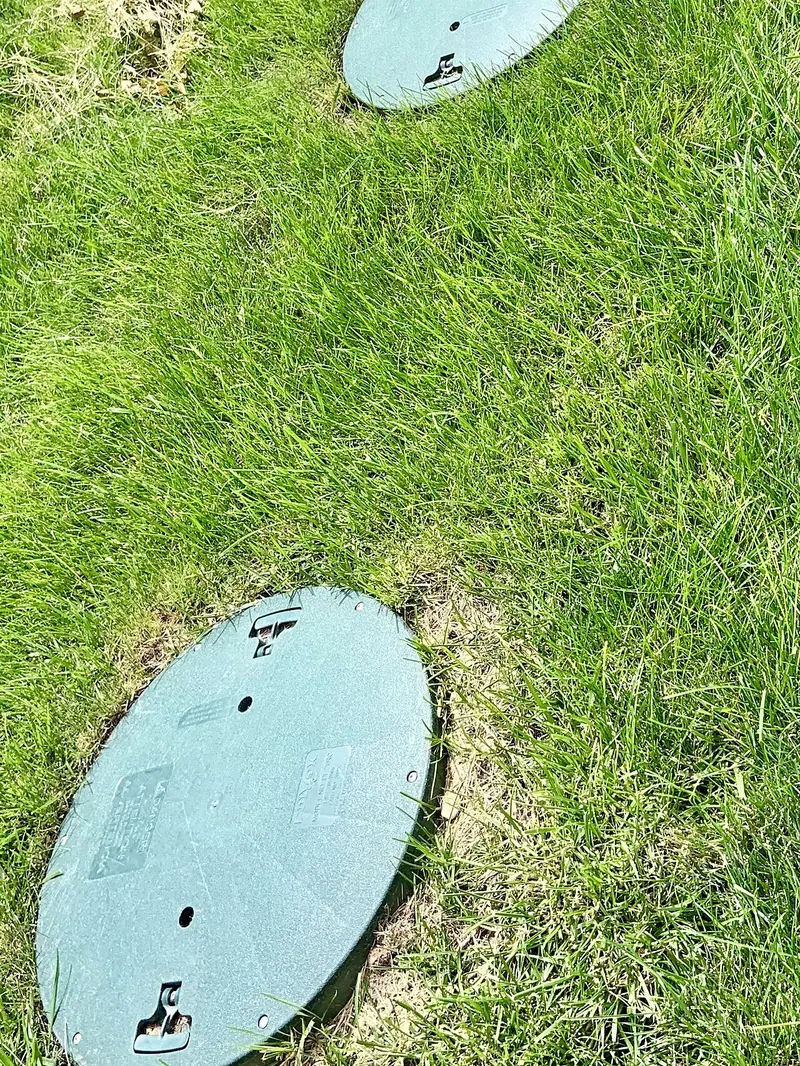
Can a contractor get to the lid?
- Look for
- Check that the lids aren’t under a deck, a shed or a thick bed of mulch. A clear path for the truck helps too, though it mustn’t cross the field.
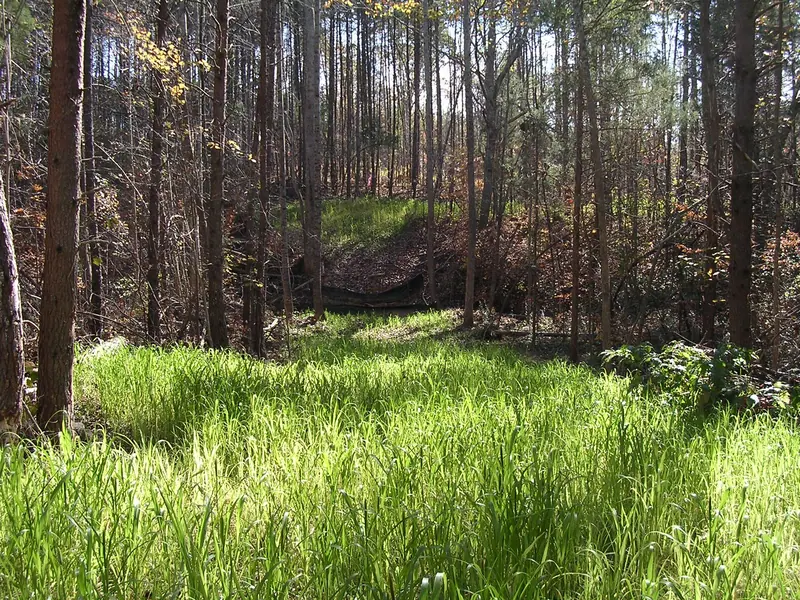
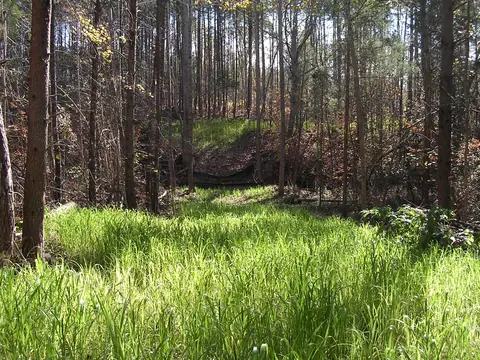
What's growing on the field?
- Look for
- Walk the field and note anything other than grass. Shrubs, saplings and shade from a growing tree are what to flag.

Are aggressive roots nearby?
- Look for
- Look for willows, red and silver maples, beeches, birches, elms and poplars near the system. Those are Clemson’s list of ones to avoid4.
- What it tells you
- Roots may find their way into a field or a line. Tree roots and the sewer line deals with that on the way out to the street.
Where does the roof water go?
- Look for
- Walk from each downspout and see where the water ends up after a rain. A gutter emptying toward the field is an easy thing to spot.
- What it tells you
- EPA says to send roof drains away from the field2. Avoid heavy water use during or just after rain, too3. On a soggy yard, this page sorts the causes.
How long should a system last?
Clemson says 20 to 30 years if designed and maintained1. For how your soil plays into that, see Midlands sand and clay.
Yours to do
- Keep yeast, sugar, meat, wipes, grease, cat litter and drain openers out of the drain3.
- Keep softener discharge out as well, and go easy on a garbage disposal, which can add up to 50 percent more solids3.
- Keep cars and digging off the system1, and keep a dated note of each pump-out.
- Learn the warning signs: slow drains, odors, greener grass, soggy areas5. A smell you can’t place helps with the odor.
A short film for this stop
An Extension video covers regular pumping, what to keep out of the drains, and what to keep off the drain field. From Purdue Extension, an outside channel; it loads from YouTube only when you press play.