 Water where it shouldn't be
 Pipes that might be old
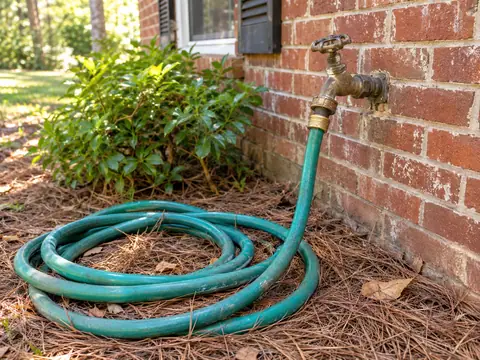 A freeze is coming (AI picture)
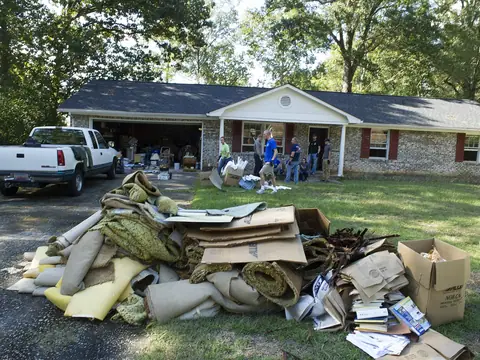 After a flood
 A smell you can't place
 Who to call and what they need
 Whose water, town by town
 Every picture on the walk
What is worrying you: pipes that might be old
Pipes that might be old: how to tell
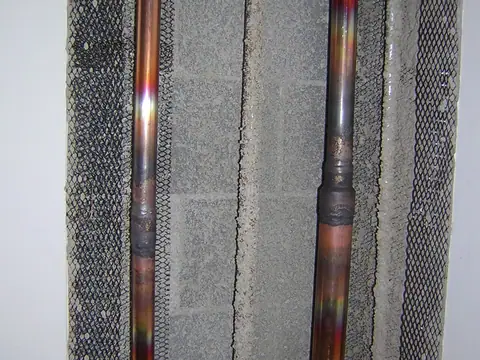
Old house plumbing shows itself in the material: gray flexible plastic may be polybutylene, dull threaded steel may be galvanized, and lead pipes are more likely in homes built before 19861. Color alone isn’t proof, so ask a licensed plumber or your utility.
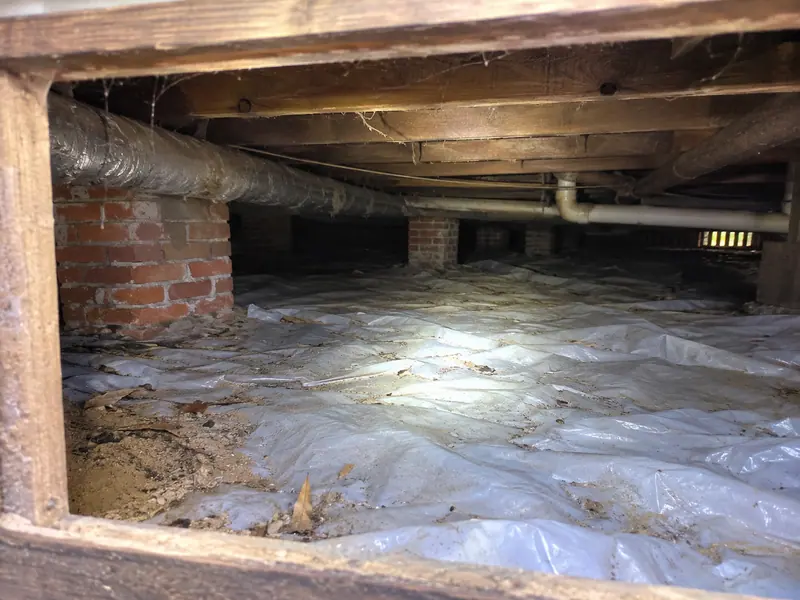
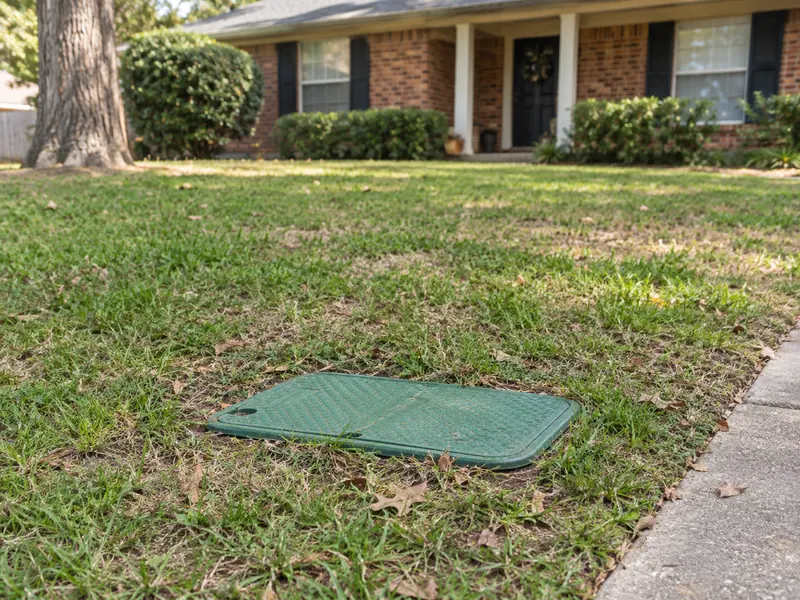
Start at the crawlspace hatch with a flashlight, then finish at the meter box out front.
Updated , Midlands House Walk
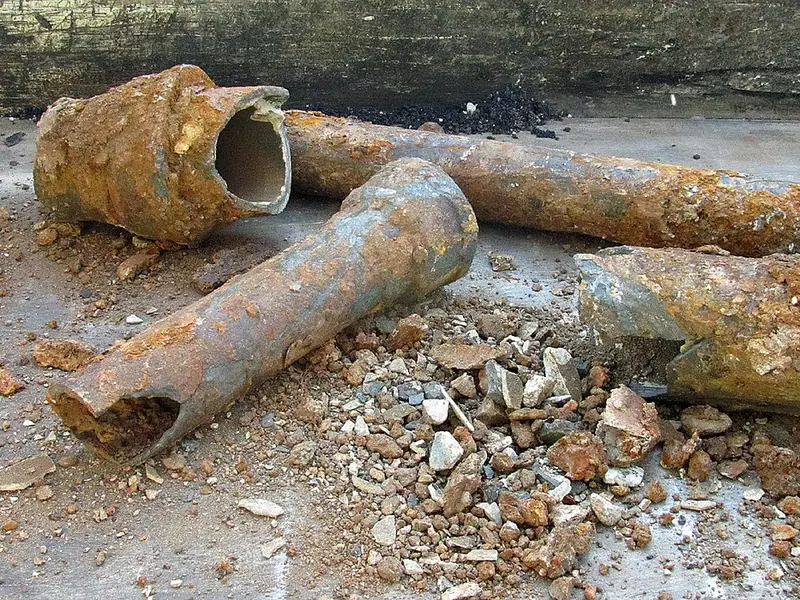
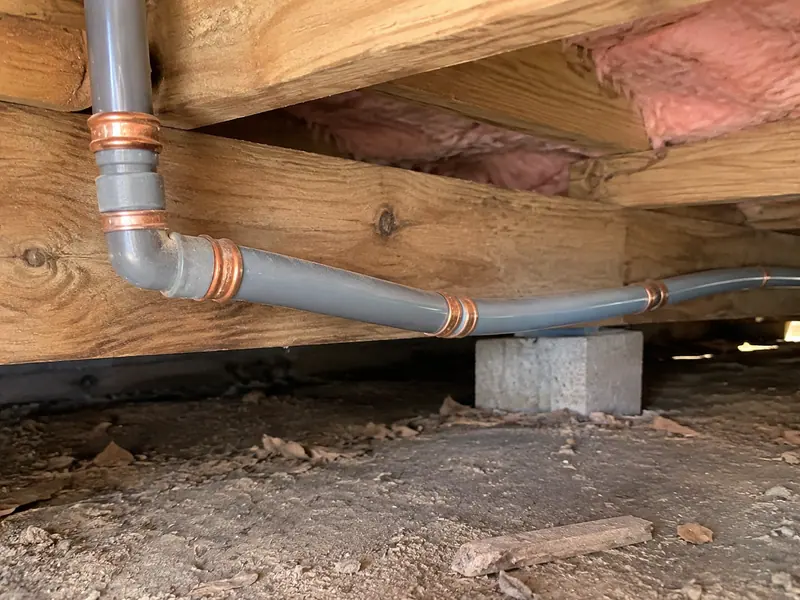
Gray, flexible plastic
- Look for
- From the hatch, look for flexible pipe in gray, silver or blue2. Rings at the joints are worth a close photo.
- What it tells you
- It could be polybutylene, which a 2000 law-firm paper says went into an estimated 6 million homes plus 3 million mobile homes from 19782. Have a plumber confirm it. The gray pipe stop goes further.
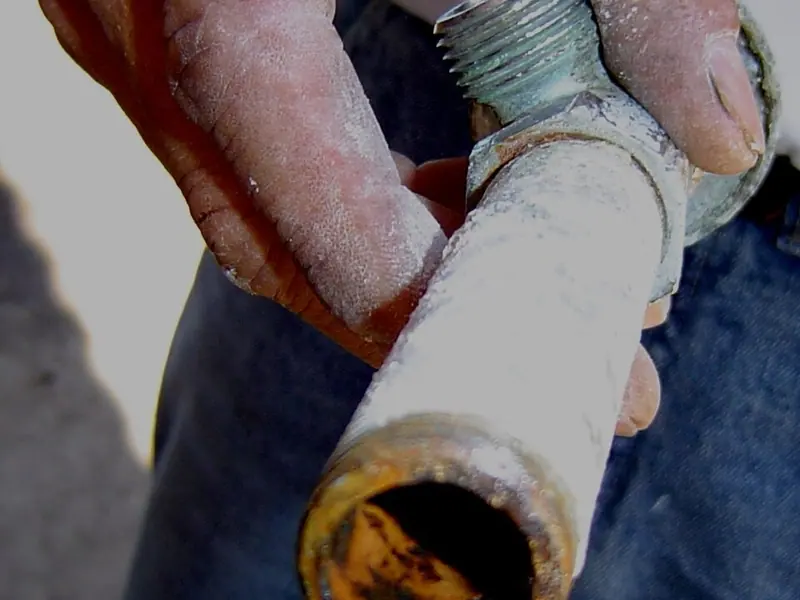
Rust you can't see from outside
- Look for
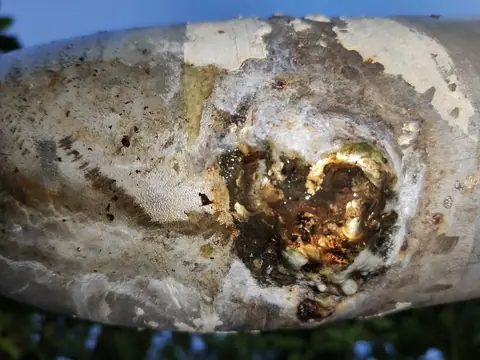
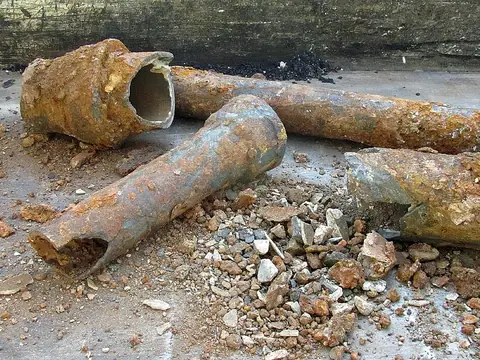
- Look for dull gray threaded steel at the water heater or the hatch, and notice whether pressure is weak at several taps.
- What it tells you
- Galvanized means iron or steel dipped in zinc, and a galvanized service line can take up lead from upstream3. The galvanized stop lists the questions to ask.
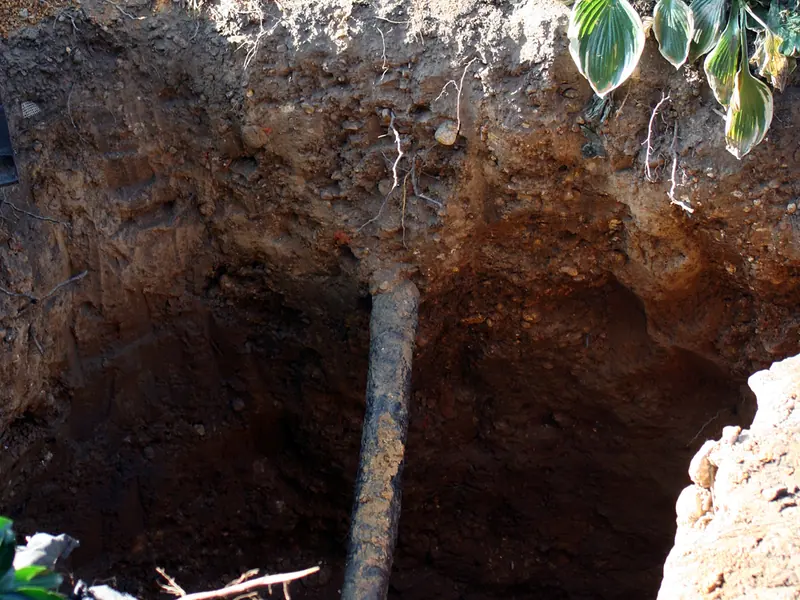
The line from the street
- Look for
- You can’t see this one. Ask your utility what its service line inventory shows for your address3, and ask about the line under your yard.
- What it tells you
- Testing is the only sure way to know about lead, at $20 to $1001. Use cold water for drinking and formula, and remember that boiling doesn’t remove lead.
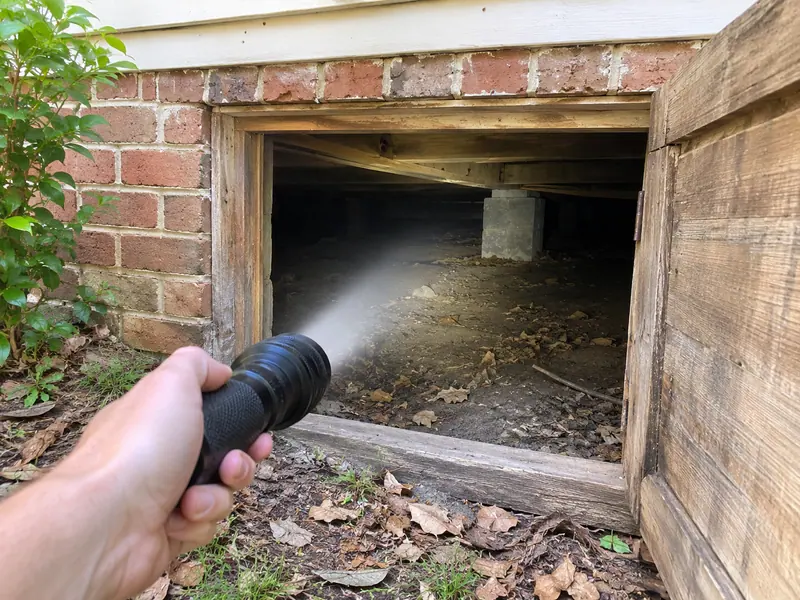
Look from the opening
- Look for
- Take photos of each kind of pipe you can see, keeping your feet outside. From the hatch tells you what else to check.
- What it tells you
- Mixed pipe is normal in an older house, since repairs get made in whatever was current. It tells you parts of the system have already been replaced.
Is there still money from the polybutylene settlement?
The 2000 paper describes class actions and a settlement2. Whether any claim fund is open today was not checked for this page, so treat old claims about one with care and ask a lawyer if it matters to you.
Yours to do
For a licensed pro
- Confirming the pipe material, since color alone doesn’t settle it.
- Replacing old pipe, and telling you whether the job needs a permit.
- Any work that means going under the house. Stay out if there is standing water, sewage, live wiring or a gas smell.