 Water where it shouldn't be
 Pipes that might be old
 A freeze is coming (AI picture)
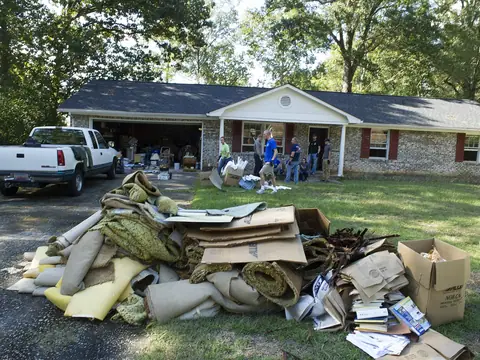 After a flood
 A smell you can't place
 Who to call and what they need
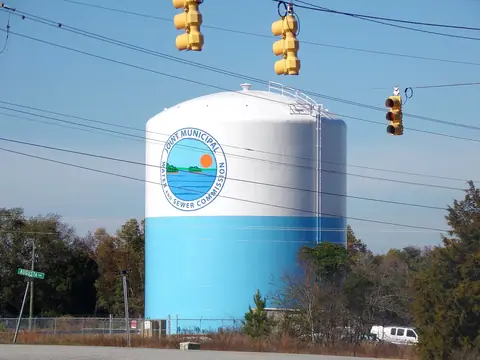 Whose water, town by town
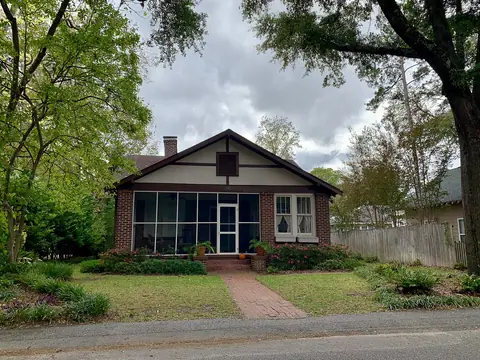 Every picture on the walk
At the street, stop 2 of 6
Who owns the sewer line under your yard?
In Columbia Water’s area, you are responsible for the sewer line up to the property line, and the city maintains it from there to the main1. Other utilities may split it differently, so ask the one named on your bill.
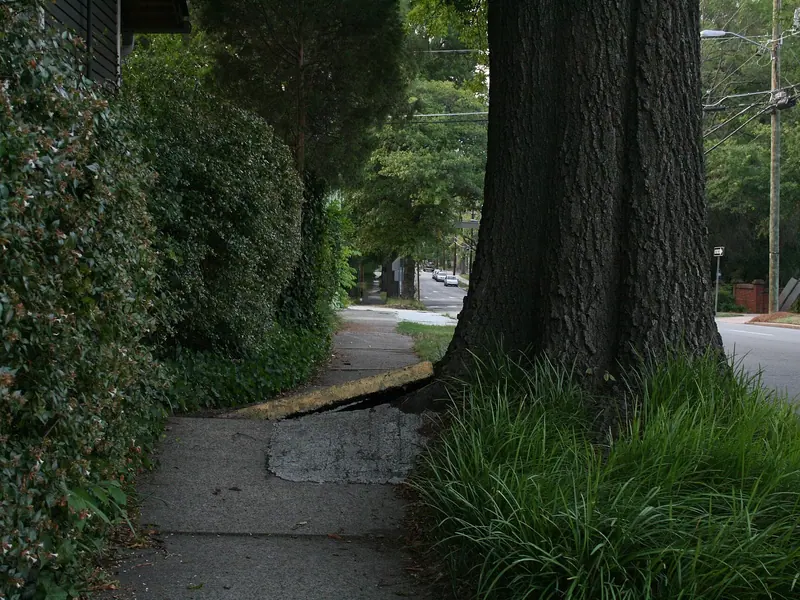
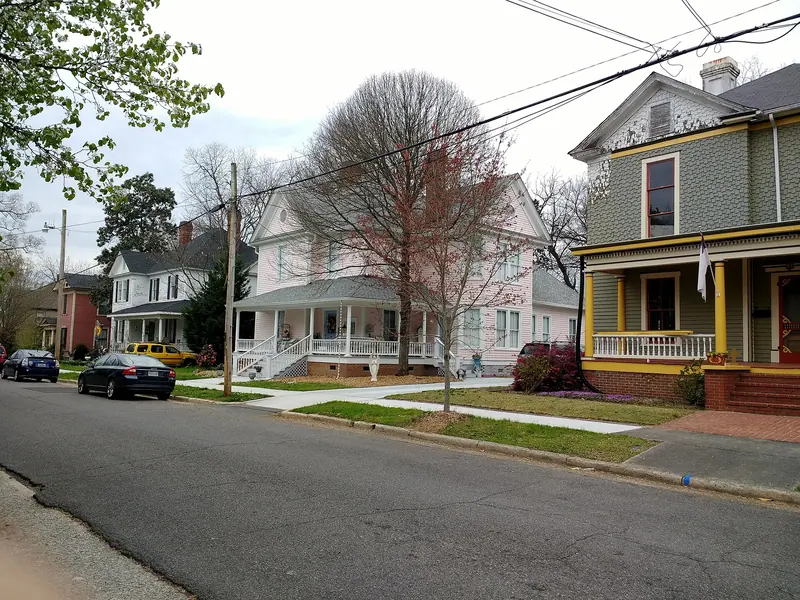
Stand on the sidewalk or at the curb and look back at the house, along the route your sewer line probably takes.
Updated , Midlands House Walk
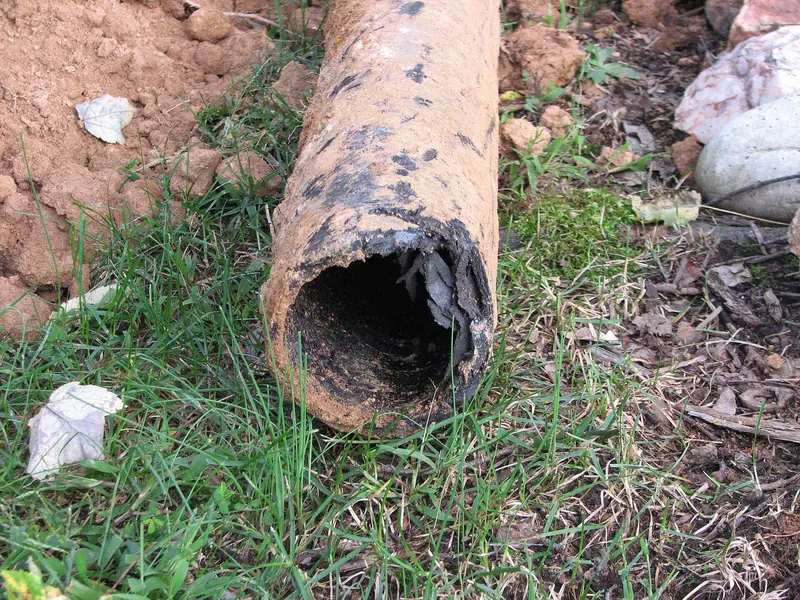
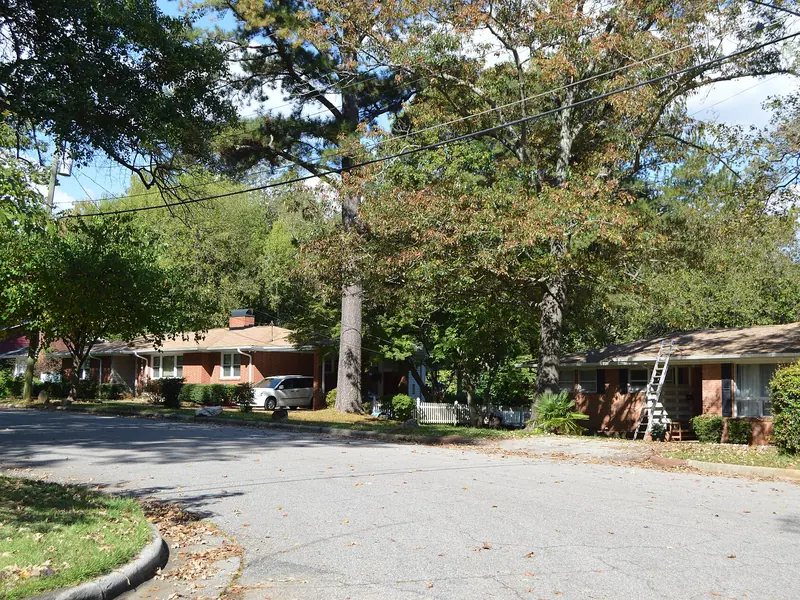
Where your lot stops
- Look for
- Find your property line on a plat or survey. A sidewalk or grass strip often sits past it, so the curb is a poor guide.
- What it tells you
- Columbia Water’s split falls at the property line, not at the curb1. If the exact spot matters for a repair, ask the utility how it reads the line on your street.
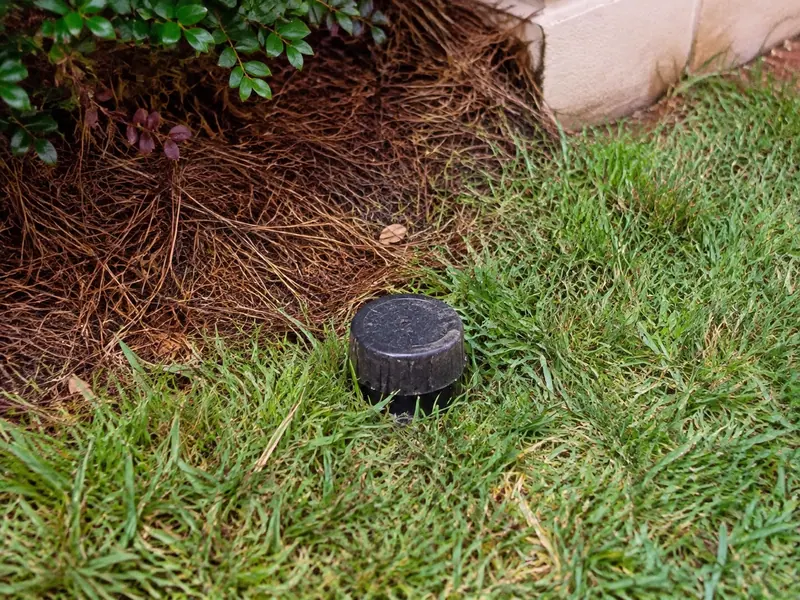
A cleanout is not a boundary
Trouble on the whole street
- Look for
- Ask the neighbors. See whether they had a backup the same day, and look for sewage on the ground near the street.
- What it tells you
- Shared trouble points away from your line and toward the public side. An overflow is a blockage or unexpected water backing up the lines, and Columbia Water wants it reported right away with an address or cross streets3.
Do you need the line coverage offered in the mail?
Columbia Water’s page on those plans says optional coverage is not required2. Read what a plan excludes before you decide, and remember that roots near the line are the kind of claim worth asking about.
Yours to do
- Read the name on your bill, then ask that utility where its side ends at your address. The town-by-town table shows what is confirmed.
- Ask a plumber to show you on camera where a break sits, and keep the recording or notes.
- Keep grease out of the line: cool it in a jar or can and put it in the trash4.
For a licensed pro
- Digging up and repairing a broken stretch on your side. Columbia Water says it cannot repair private lines1.
- Finding a break with a sewer camera, which also shows which side of the line it falls on.
- Permit and license questions go to the offices listed on the who-to-call page.