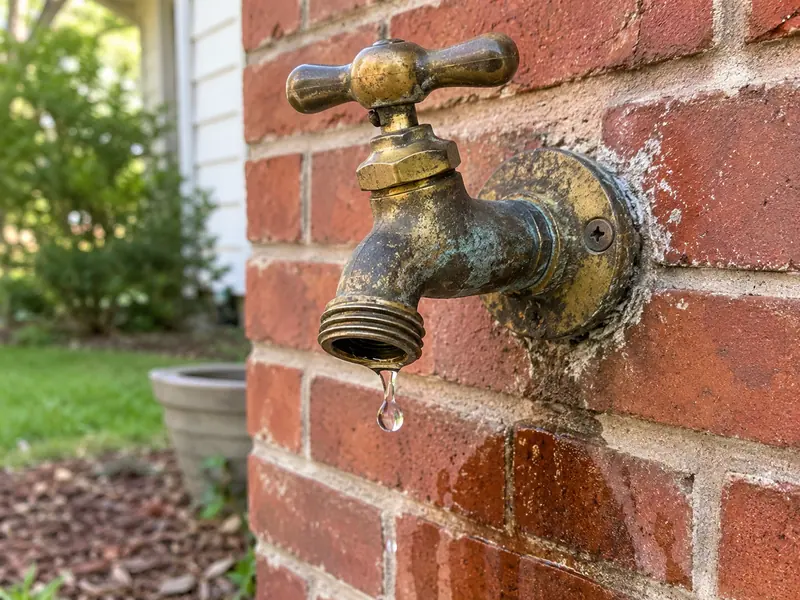
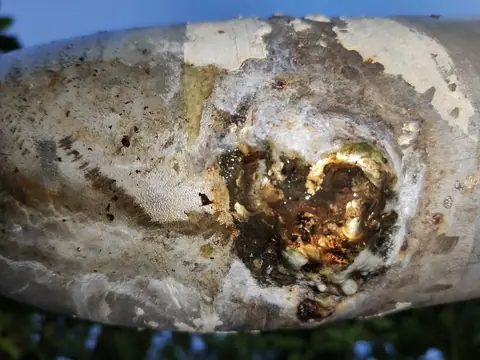
 Water where it shouldn't be
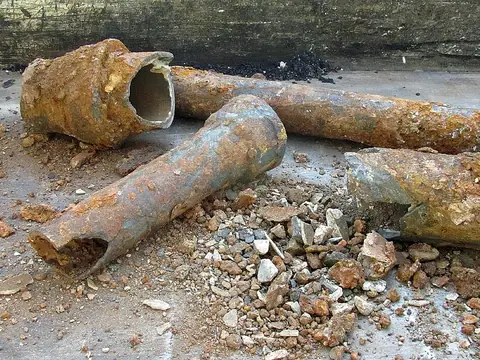 Pipes that might be old
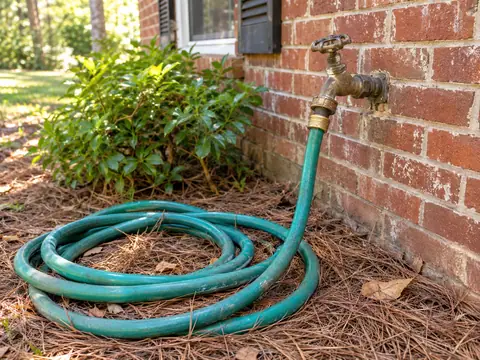 A freeze is coming (AI picture)
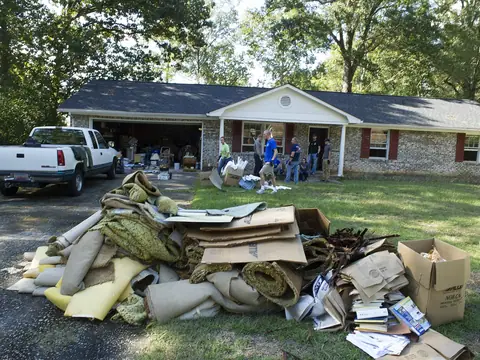 After a flood
 A smell you can't place
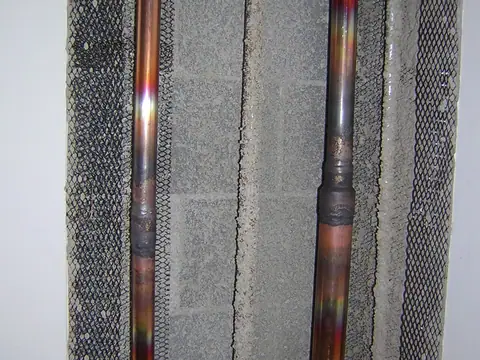 Who to call and what they need
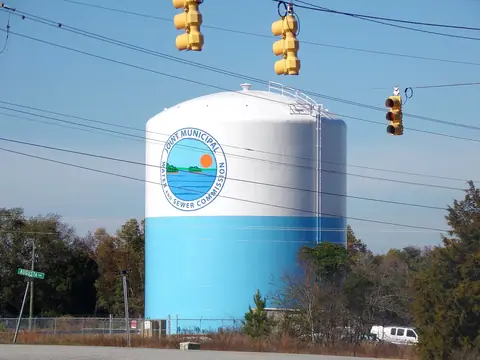 Whose water, town by town
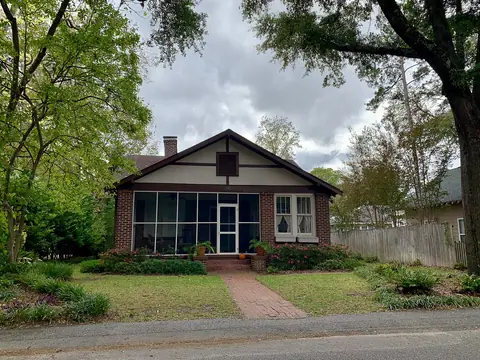 Every picture on the walk
What is worrying you: a freeze is coming
A freeze is coming: what to do today
To prevent frozen pipes in South Carolina, wrap exposed lines, close foundation vents, test your main shutoff and keep faucets flowing1. The flow has to run the whole time it is below freezing. Cold spells of two days or more, or single digits, are what may freeze pipes under homes2.
Start at the crawlspace hatch with a flashlight, the afternoon before the cold arrives.
Updated , Midlands House Walk
If a pipe has frozen, open the faucets, hot and cold, to help water move1, and keep open flame away from it. If it has burst, go to the main shutoff, then to water where it shouldn’t be.
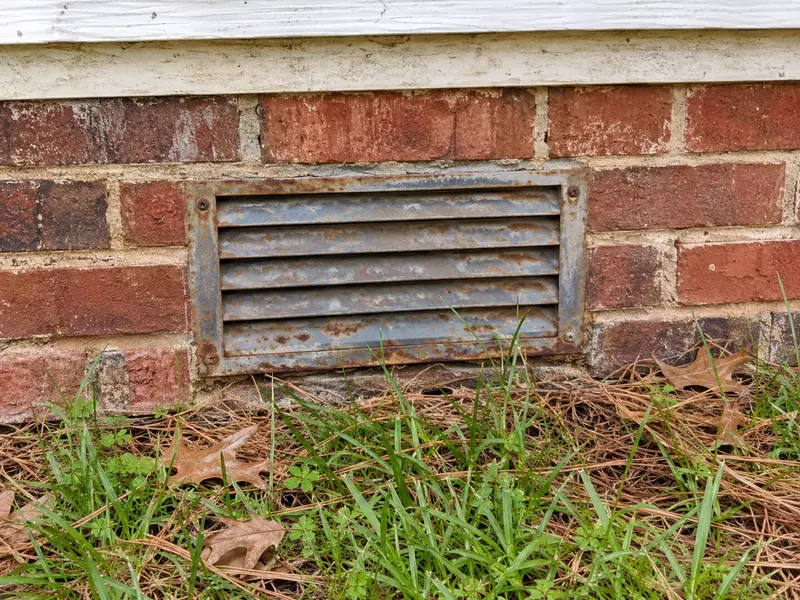
Shut the vents
- Look for
- Walk the foundation and close each one you can. Clemson’s advice is closed in winter, reopened in spring1.
- What it tells you
- Closed vents keep cold wind off the pipes under the floor. The vents stop covers the rest of the year.
Wrap what's exposed
- Look for
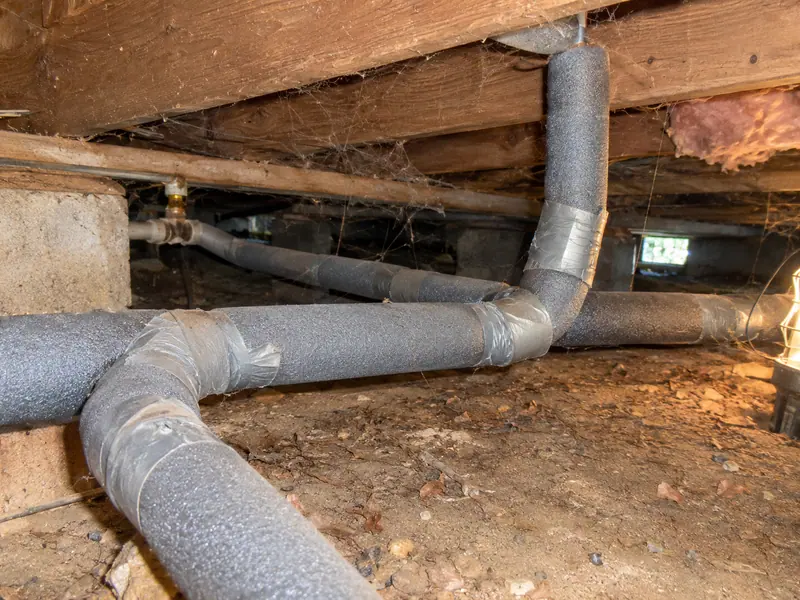
- Shine a light from the hatch for bare pipe, and check garages and exterior walls too. Gaps in the foam at elbows and valves are the usual misses.
- What it tells you
- Clemson says to insulate hot lines as well as cold ones, since hot lines can freeze quicker1. Wrapping the pipes has the details.
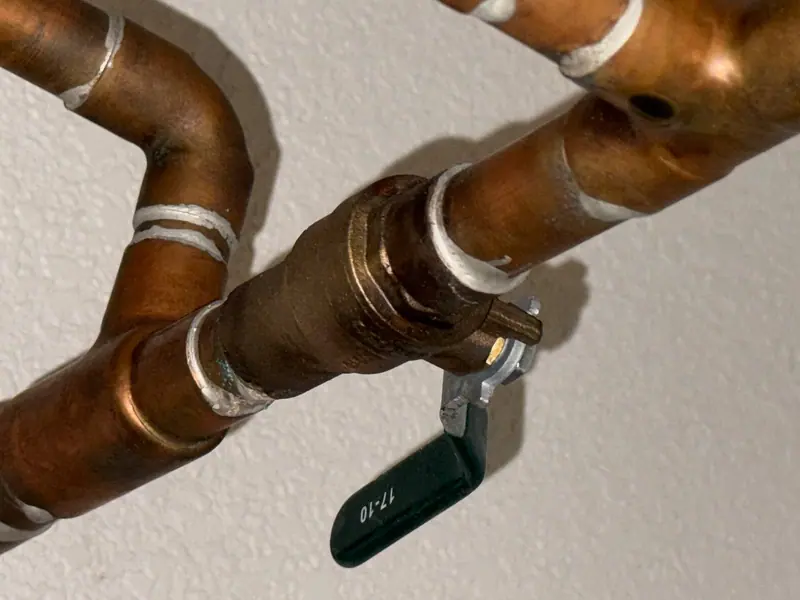
Test the shutoff now
- Look for
- Find and test your main shutoff and the water shutoff at the heater before it freezes1.
- What it tells you
- No shutoff of your own? A 2018 Columbia Water notice, reposted by local news, gave temporary permission to use the meter valve for those freeze days only3. Don’t assume that stands. Ask your utility, ahead of time.
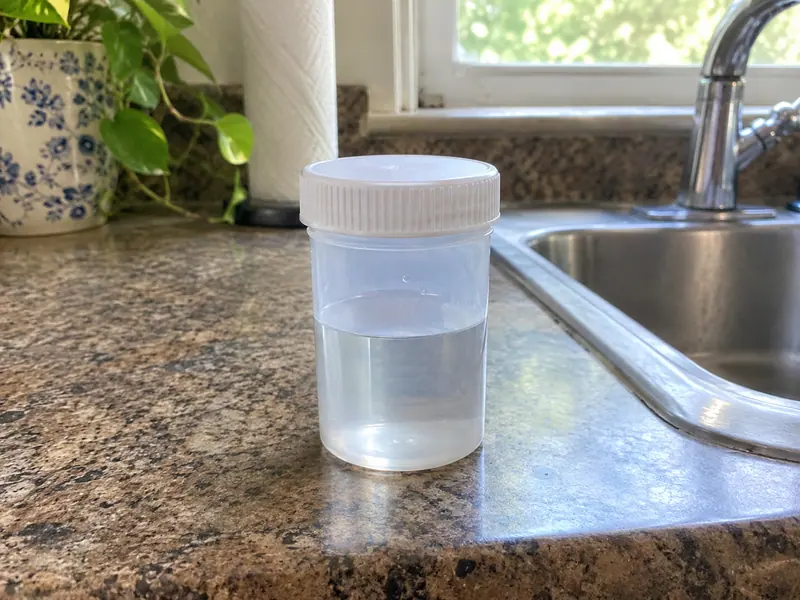
Set the flow with a cup
- Look for
- Time a 3-ounce cup under the faucet. Clemson says it fills in 5 minutes 37 seconds at 0.25 gallons an hour, and in 1 minute 24 seconds at 1 gallon an hour2.
- What it tells you
- For a 1/2-inch pipe with 1/2-inch insulation and 20 feet exposed, Clemson gives 0.23 to 0.28 gallons an hour at 25°F, and 0.57 to 0.68 at 5°F2. Four faucets at 1 gallon an hour for 10 hours use about 40 gallons.
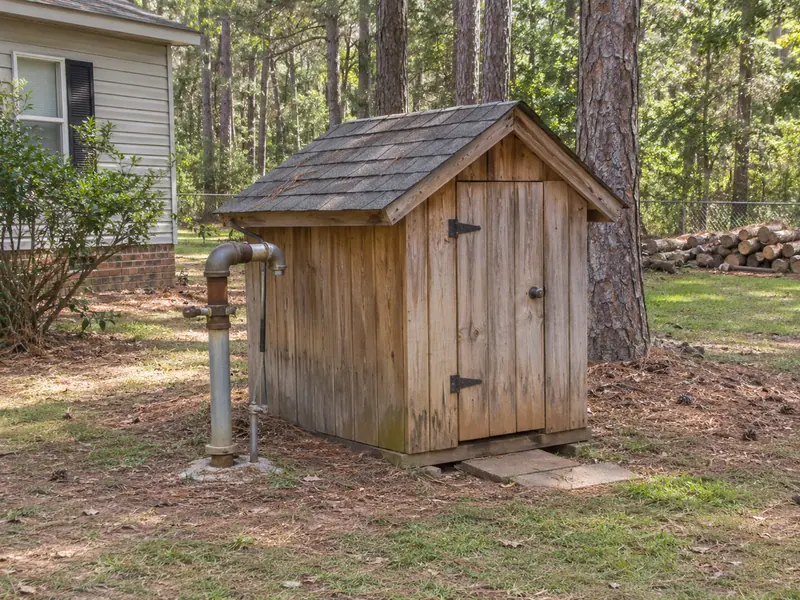
On a well
- Look for
- Check how well the line between the well and the pressure tank is covered, especially in a poorly insulated spot.
- What it tells you
- Water in that pipe moves only when the pump runs. Clemson suggests about 6 gallons an hour to cycle the pump in poorly insulated spots2.
How cold does it have to get here?
Clemson says South Carolina winters seldom drop below 20°F, with single digits now and then. Pipe buried 12 inches should never freeze here, and the frost depth at Columbia is listed as zero2. Your worry is the exposed pipe, not the line in the yard.
Yours to do
- Wrap what you can reach without going under the house: garage lines and exposed runs at the wall.
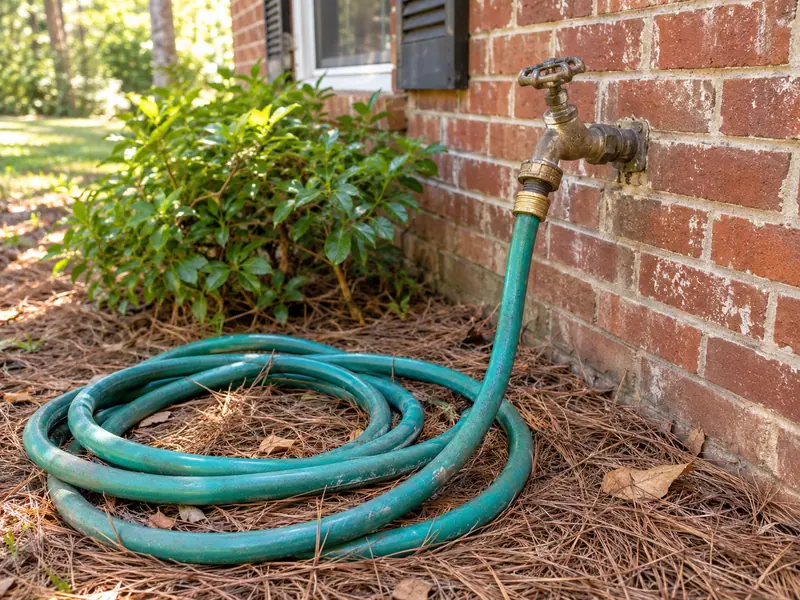
- Close the vents, unhook the hose at each outdoor tap, and test the shutoff.
- Keep the flow going the whole time it’s below freezing2.
For a licensed pro
- Wrapping crawlspace lines you can’t reach from the hatch. Hire it out instead of crawling in.
- Repairing any pipe that has split.
- Checking an exposed well line and its pump if you are unsure of the insulation.