 Water where it shouldn't be
 Pipes that might be old
 A freeze is coming (AI picture)
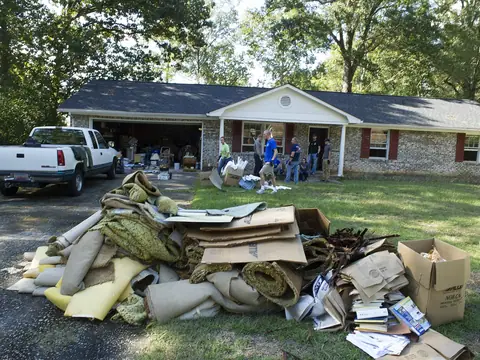 After a flood
 A smell you can't place
 Who to call and what they need
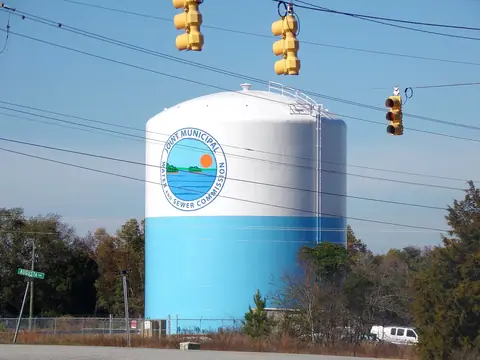 Whose water, town by town
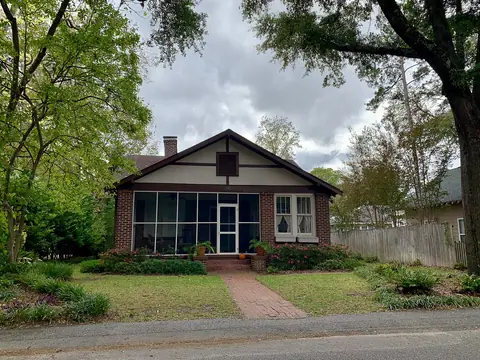 Every picture on the walk
At the street, stop 1 of 6
Find the sewer cleanout in your yard
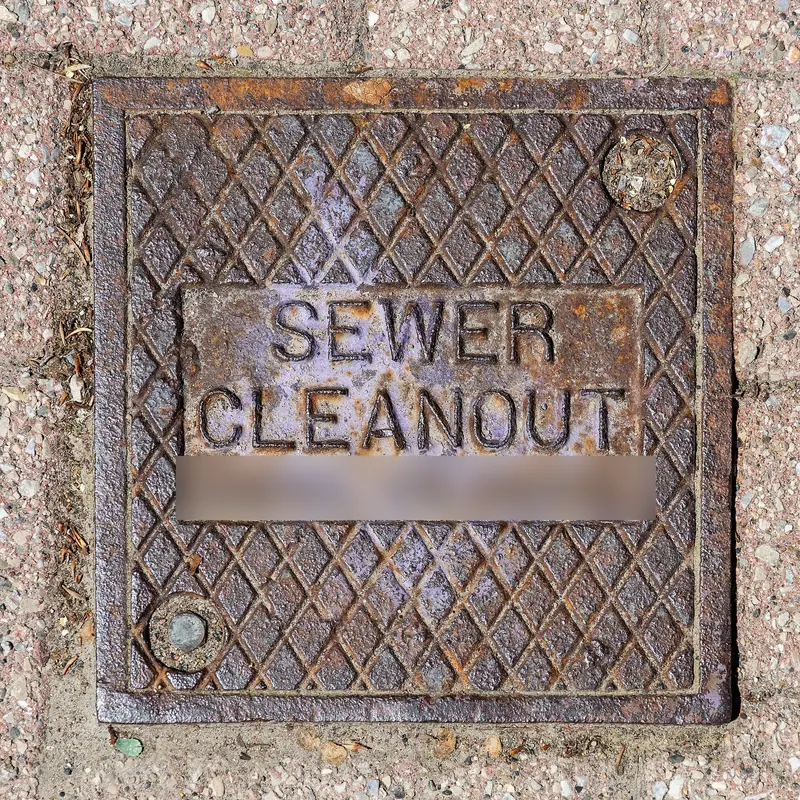
A sewer cleanout is a capped opening on the pipe carrying waste away from your house, and it is how a plumber reaches a clog. Most look like a short pipe with a screw cap, or a small lid in the ground, somewhere between the foundation and the street.
Stand where the house drains leave the foundation, then walk toward the street with your eyes on the ground.
Updated , Midlands House Walk
Leave the cap on when a drain is backing up. Sewage held in the line can push out as the cap loosens, and you would be standing right over it. The first hour of a backup is a separate page.
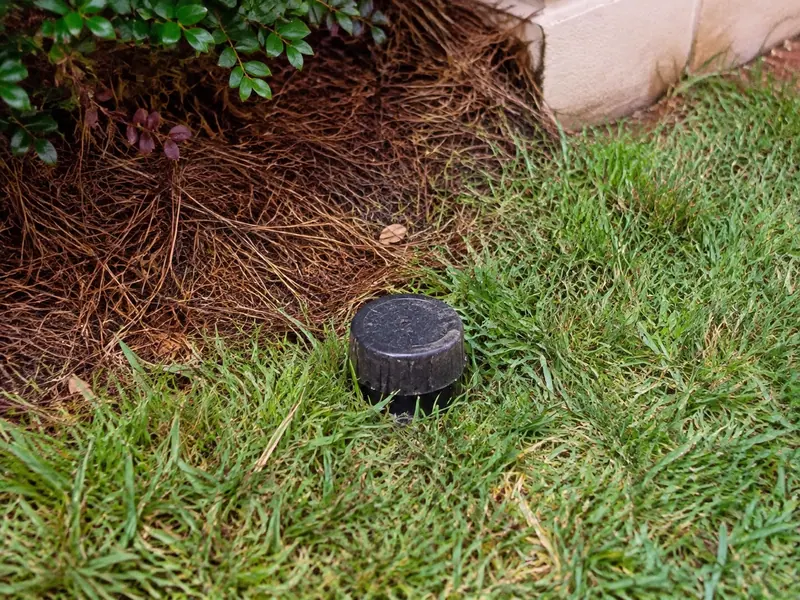
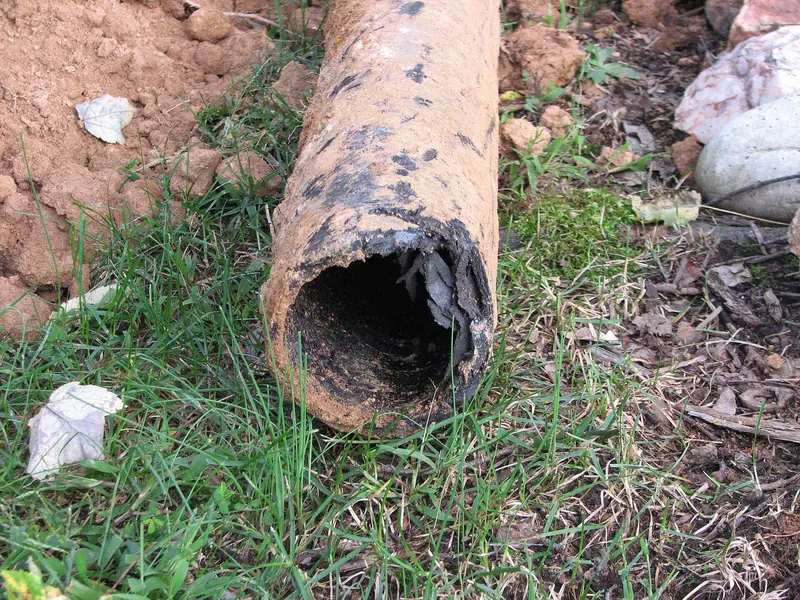
A dark cap at the edge of a bed
- Look for
- Check the lawn and bed edges between the house and the curb for a round cap with a square or slotted head. It takes a wrench, so it won’t look like a sprinkler part.
- What it tells you
- That cap sits on the sewer line, so it gives you one fixed point on the pipe’s route. In Columbia Water’s area the line up to the property line is the homeowner’s to maintain1, so a cracked cap there is likely yours. Who owns which stretch has its own stop.
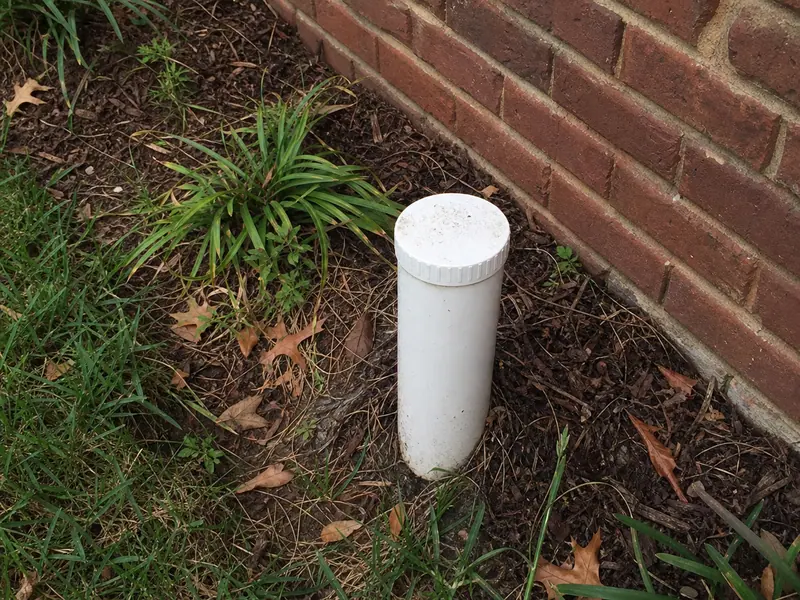
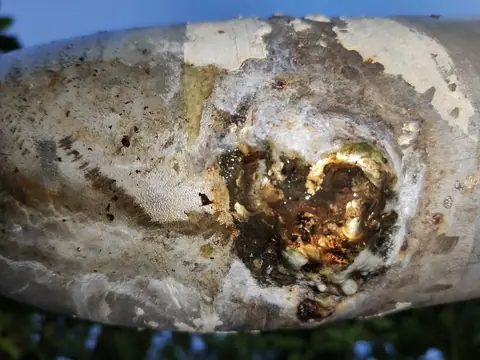
A white cap against the brick
- Look for
- Walk the foundation slowly. A short white pipe with a screw cap, standing a little above the mulch, is easy to mistake for a vent or an old irrigation stub.
- What it tells you
- Close to the wall usually means close to where the line leaves the house, which gives a plumber a short run to the blockage. A cap cracked by a mower lets rain and dirt in, so note it and get it replaced.
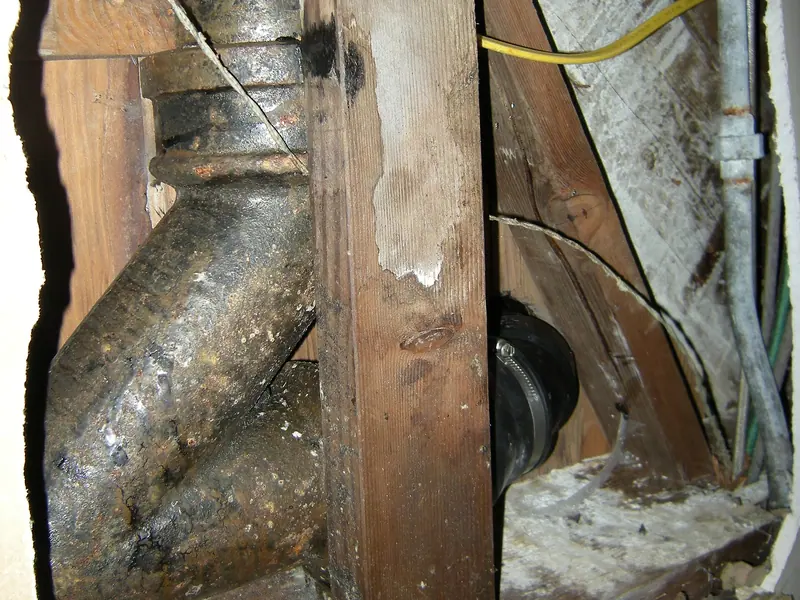
Older drains may hide theirs indoors
- Look for
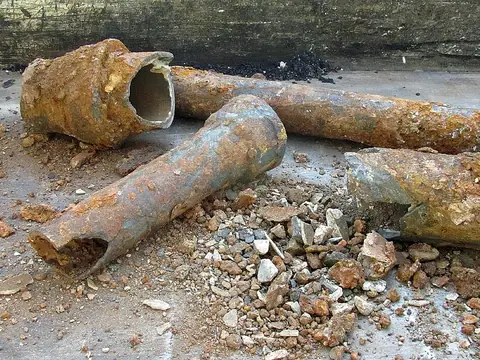
- No cap in the yard? In an older house, look for a threaded plug on a cast-iron drain in a closet or utility space, or from the crawlspace hatch with a flashlight.
- What it tells you
- You may have an indoor cleanout, or none at all, and a plumber can tell you which. Clemson’s way of tracing a septic line helps here too: follow the 4-inch sewer pipe from the crawlspace outward2.
What if the house is on septic?
You still have a sewer pipe, but it heads for a tank instead of the street, so the cap may sit in the back yard. Finding the tank starts from the same pipe.
Yours to do
- Take a phone photo of the cap with the house in the background, so you can find it in a hurry.
- Keep soil and mulch off it, and mow around it.
- Scrape plates and put cooled grease in a jar or can for the trash3, which keeps the line clear in the first place.
- Think it’s buried? Stop there, because digging starts with SC811, three business days ahead4.
For a licensed pro
- Opening the cap and running a cable through a blocked line.
- Replacing a cracked cap or a seized plug.
- Adding a cleanout to a line that has none, and asking the local building office whether that needs a permit.