 Water where it shouldn't be
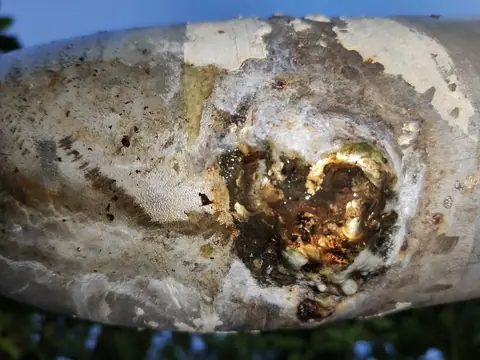
 Pipes that might be old
 A freeze is coming (AI picture)
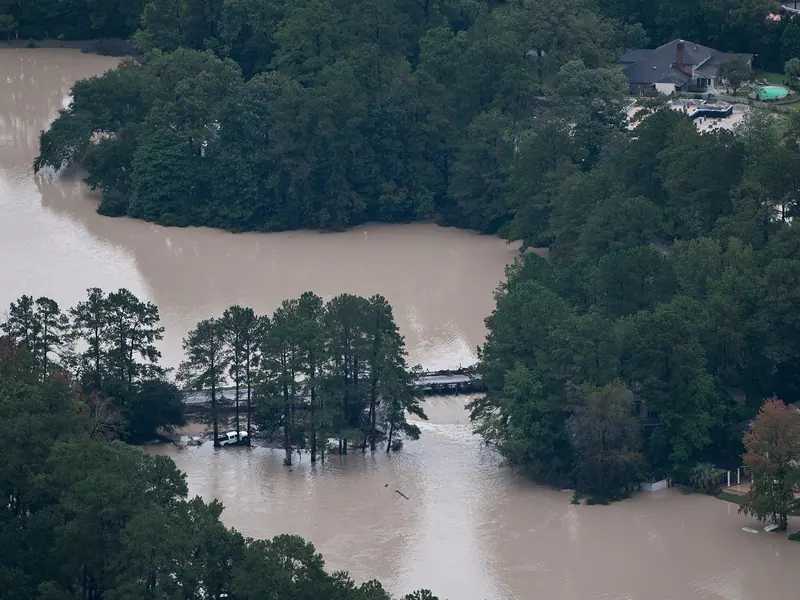
 After a flood
 A smell you can't place
 Who to call and what they need
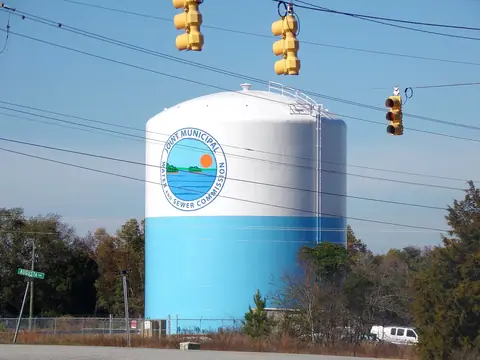 Whose water, town by town
 Every picture on the walk
What is worrying you: after a flood
After a flood: well, septic and the house
After a flood, leave the well pump off, don’t drink or wash with well water1, and hold off using the septic until water in the soil field is lower than water around the house2. Go back in daylight3.
Start outside, in daylight, looking at the house from the street before anyone goes in.
Updated , Midlands House Walk
A smell of gas or propane ends the visit. Get away from the house, using no switches or phones indoors, then call 911 and the gas company or propane supplier from outside. Never touch power while standing in water3.
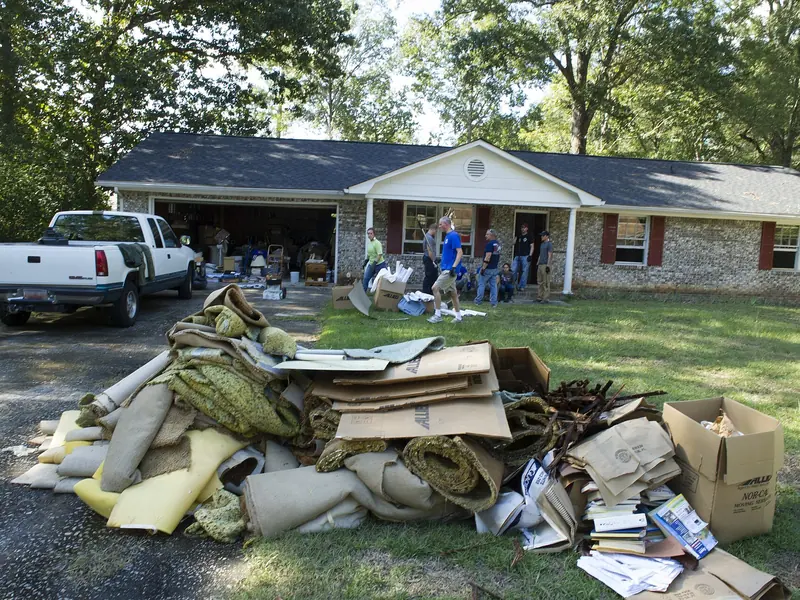
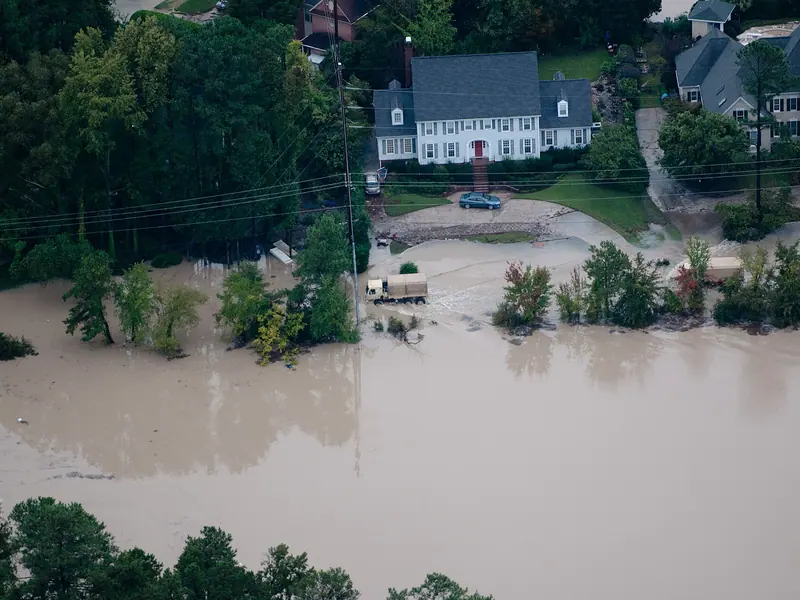
How high it came
- Look for
- Find the highest mark on the yard, the foundation and any well head. Compare it with where your tank and field lie.
- What it tells you
- Dry floors don’t clear the yard. A well or field under water needs its own check even if the house stayed dry.
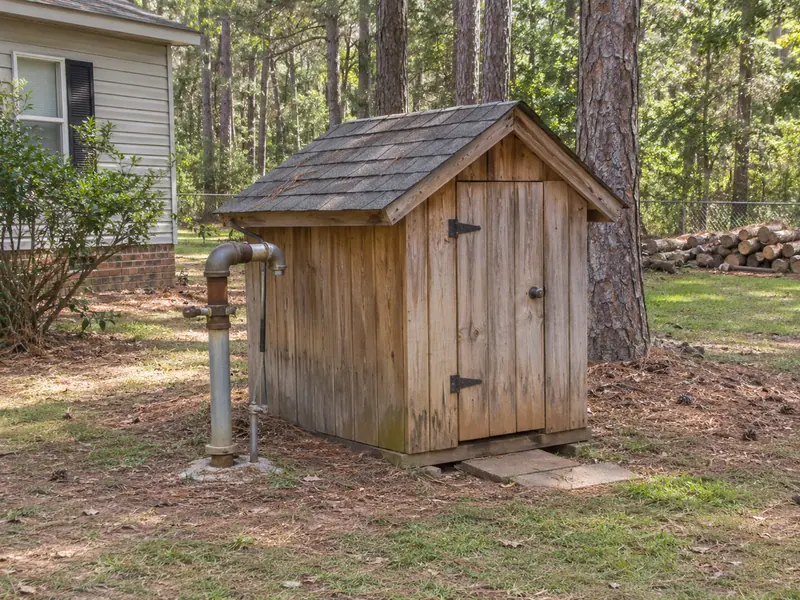
The well
- Look for
- Check whether water reached the well head or pump. EPA says wells over 10 years old or under 50 feet deep are likely contaminated even with no apparent damage1.
- What it tells you
- Don’t turn on the pump, because of the shock risk. A well or pump contractor is the right person to disinfect a drilled, driven or bored well, followed by a bacteria test 7 to 10 days later1. See the flooded well stop.
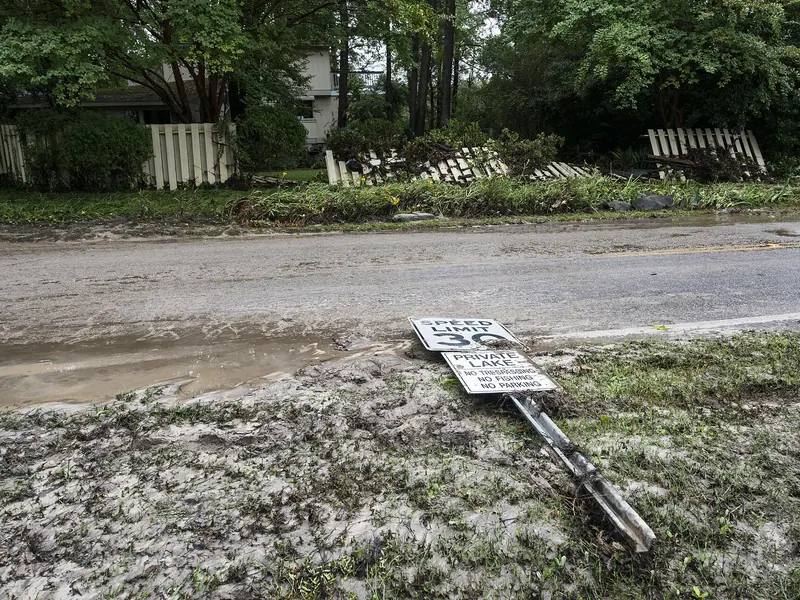
The tank and the field
- Look for
- Look for silt around your lids and over the field, and keep vehicles off the wet field2.
- What it tells you
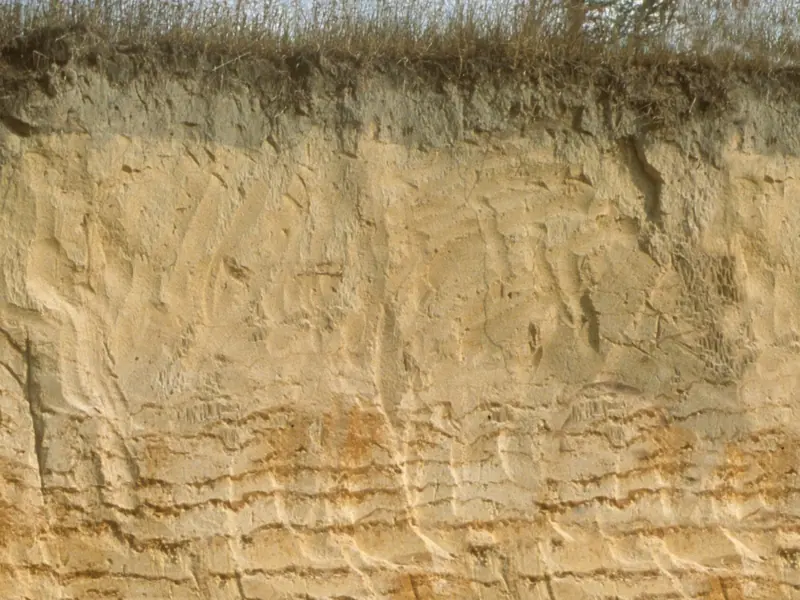
- Most tanks aren’t damaged, though they can fill with silt. Pumping in flooded or saturated ground can float a tank, and only trained specialists should clean or repair one2. Sand and clay explains how your soil drains.
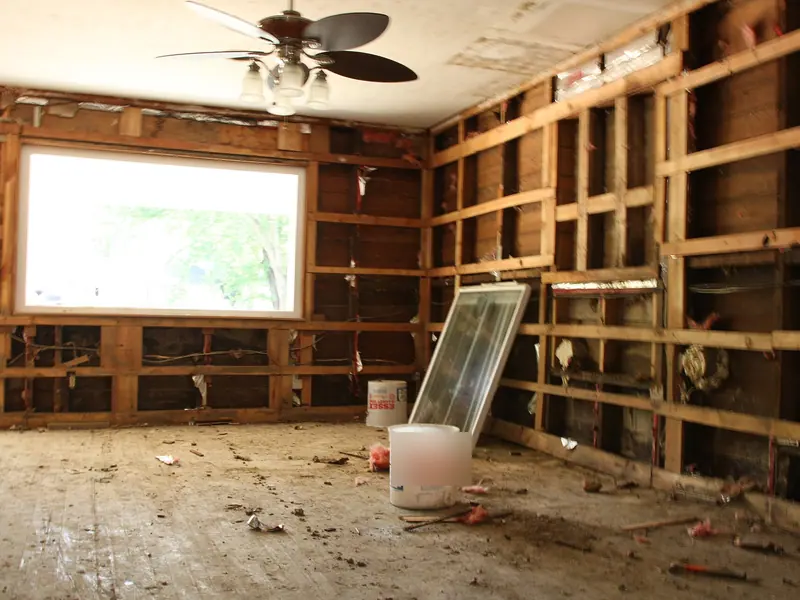
Inside the house
- Look for
- If water still stands inside or has reached outlets, stay out, and leave a breaker alone if you would have to wade to reach it. Once it is clear, check floors, walls and anything porous. On septic, clean up floodwater without dumping it into a sink or toilet2.
What happened here in 2015?
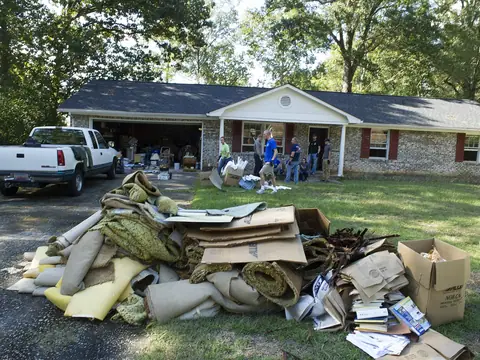
The National Weather Service counts October 1 to 5, with 10 to 20 inches falling from Columbia southeast across the eastern Midlands. Columbia Metro Airport set a one-day record of 6.71 inches, and dams failed and culverts and pipes washed out5. It was not a 1000-year rain everywhere, and flood recurrence differs from rain recurrence6.
Yours to do
- Wear rubber boots, gloves and goggles if there may be sewage in the water3; they do not protect you from electric shock, so stay out of water near power.
- Use another water source until the well has been tested.
- On city water, follow your utility’s words. Advisory and notice mean different things.
- Report any washouts of pipe or road you see to the utility.
For a licensed pro
- Well or pump contractor for the flooded well.
- Septic specialists for the tank, once the ground has dropped.
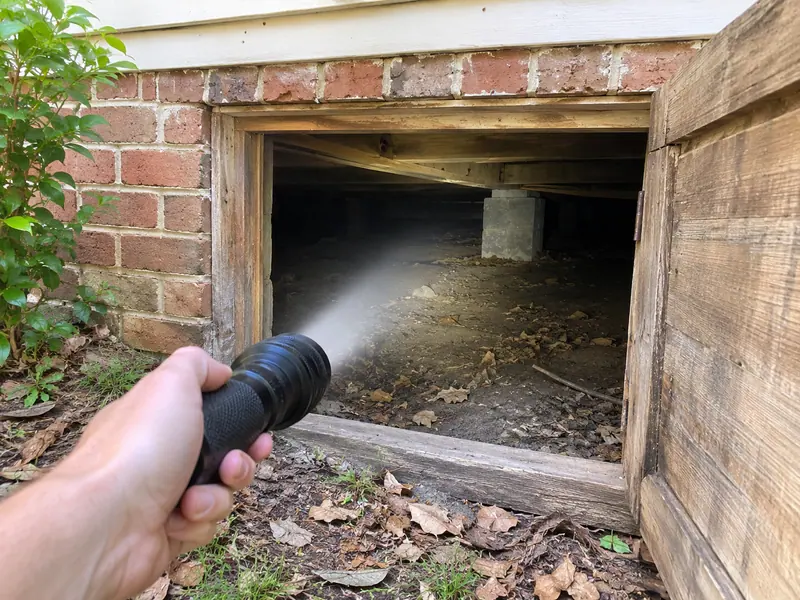
- Under-house water and sewage: read water under the house, stay at the hatch, and bring someone in.