 Water where it shouldn't be
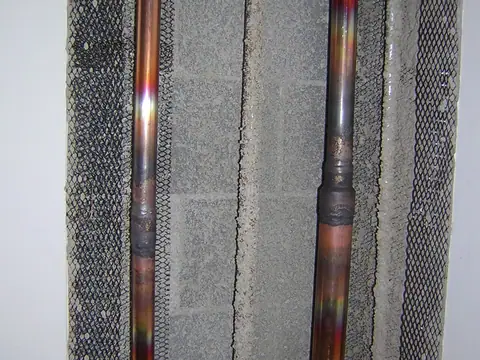
 Pipes that might be old
 A freeze is coming (AI picture)
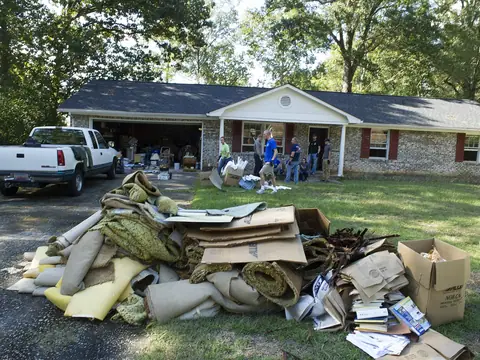 After a flood
 A smell you can't place
 Who to call and what they need
 Whose water, town by town
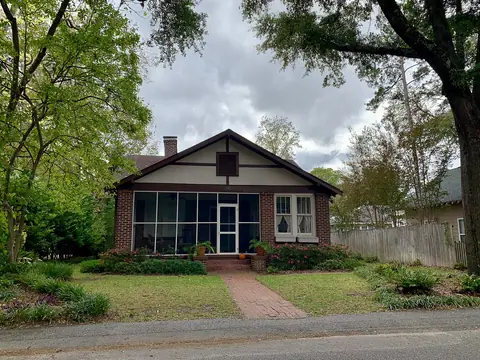 Every picture on the walk
Under the house, stop 7 of 7
Water or sewage under the house: what to do first
Water under the house calls for a look from the hatch, not a trip inside. Stay out, then work out if it is pipe water, sewage or groundwater. Moving meter with everything off? Close the main shutoff. Sewage smell? Stop using water and call a plumber, since EPA sends sewage to professionals1.
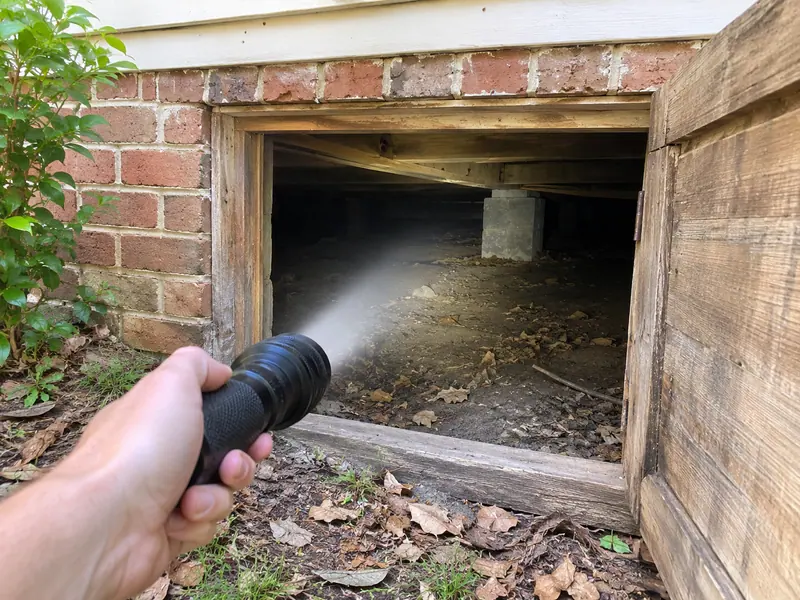
Kneel at the hatch with a flashlight, and stay out of the opening if the ground is wet.
Updated , Midlands House Walk
Keep out of the crawlspace with standing water, sewage, live wiring or a gas smell. Never touch power while you’re standing in water6, and leave a breaker alone if you would have to wade to reach it. If you smell gas or propane, get out of the house before anything else. No light switches and no phone calls indoors. From outside, call 911 and the gas company or propane supplier.
Is a supply line running?
- Look for
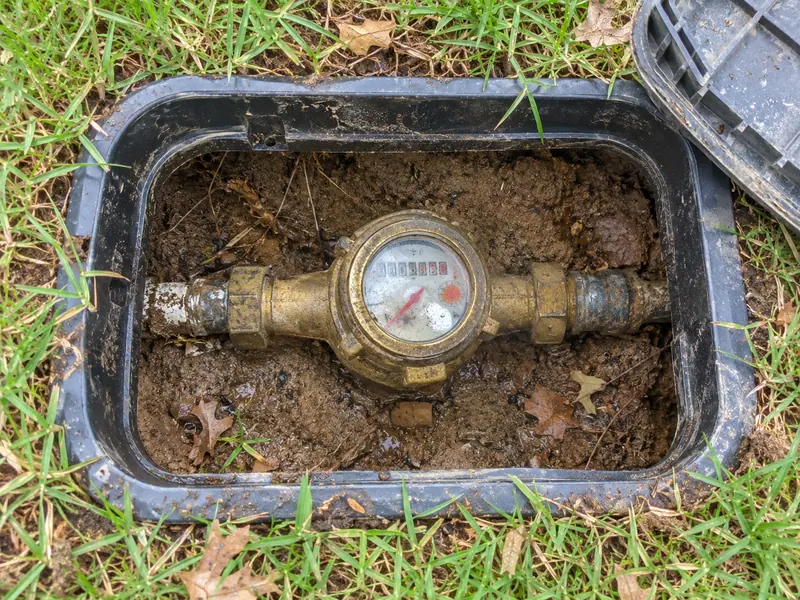
- Go out to the meter with every tap off and watch the dial for a few minutes. Don’t adjust anything in the box.
- What it tells you
- A dial turning with everything off points to a supply leak. Don’t wait out the 2-hour reading2 if you can hear or see water running under the house. The meter test has the slow version.
Can you stop the water?
- Look for
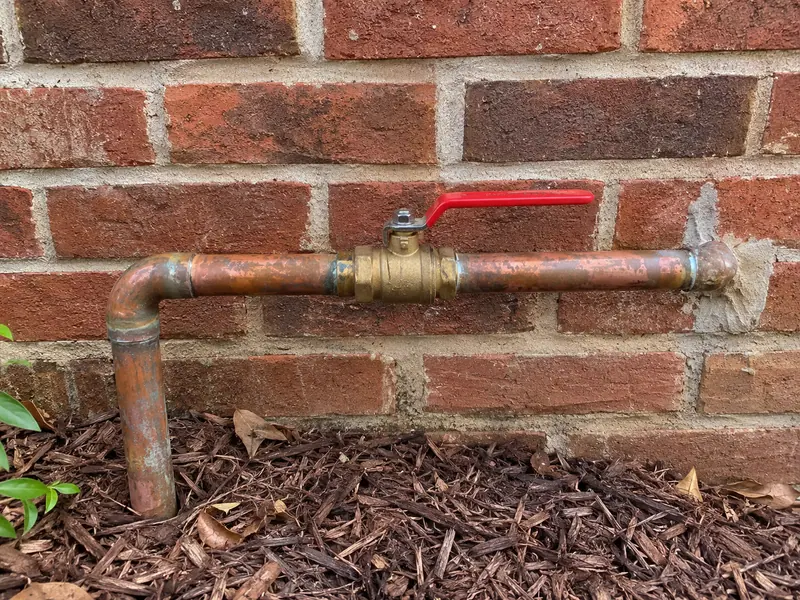
- Go to your house shutoff, usually a lever or wheel near the foundation or above the water heater3. A lever a quarter turn across the pipe means closed.
- What it tells you
- Closing it stops new water from a burst supply line. If you can’t find it, read your house shutoff. Your utility’s customer care line is staffed around the clock in Columbia4.
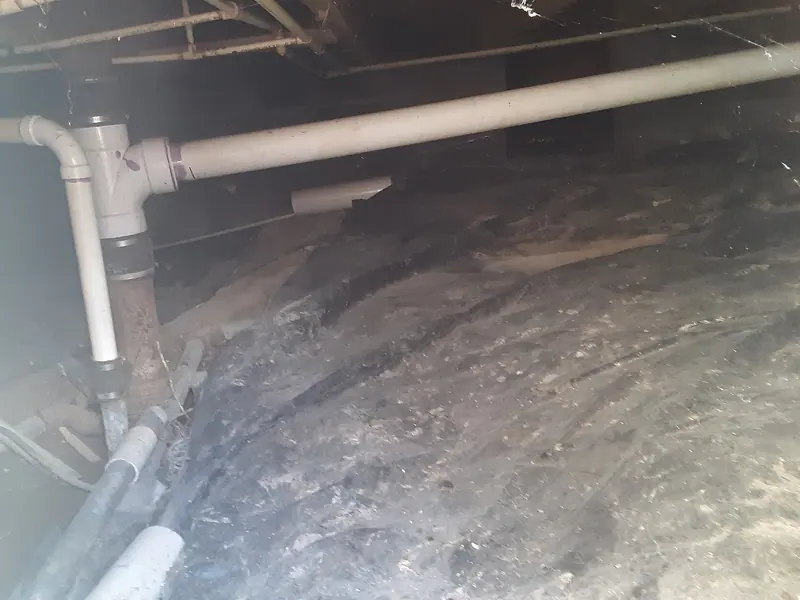
Is it under a drain?
- Look for
- Note where the wet patch sits and whether you can smell sewage. Look for paper or dark staining. A flashlight will show those from the hatch.
- What it tells you
- EPA says sewage or contaminated water goes to a professional with that experience1. If sewage is on your drains too, the first hour of a sewer backup is next.
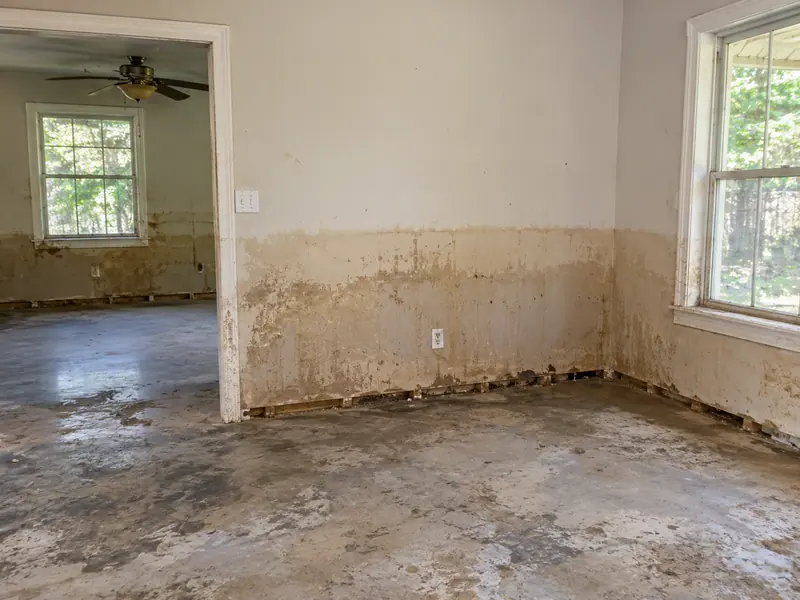
Did it come from outside?
- Look for
- Check the yard for standing water near the foundation, and note whether the water rose with the rain. No moving meter and no smell usually points this way.
- What it tells you
- Floodwater near a septic field can carry sewage, so avoid contact with it5. After a flood lists the order to do things in, and CDC says to dry things out within 24 to 48 hours6.
When it's only damp, not standing water?
That’s a slower job. Why a Midlands crawlspace stays damp goes through it. If you’re still sorting out where the water is coming from, water where it shouldn’t be takes it step by step.
| You see | It may be | First move |
|---|---|---|
| Clear water, meter dial moving | A supply line | Close the main shutoff, then call a plumber |
| Sewage smell or paper, wet below a drain | A drain or sewer line | Stop using water, stay out, call a plumber |
| Wet only after rain, meter still | Groundwater or runoff | Note it, then read the damp crawlspace page |
Yours to do
- Close the main shutoff if a supply line is running.
- Stop using sinks, toilets and the washer if there is any chance it’s sewage.
- Photograph it from the hatch, with the date, before anyone starts work.
- Look up how your own utility wants overflows reported. Columbia Water asks you to report sewage on the ground right away, with the address or cross streets7.