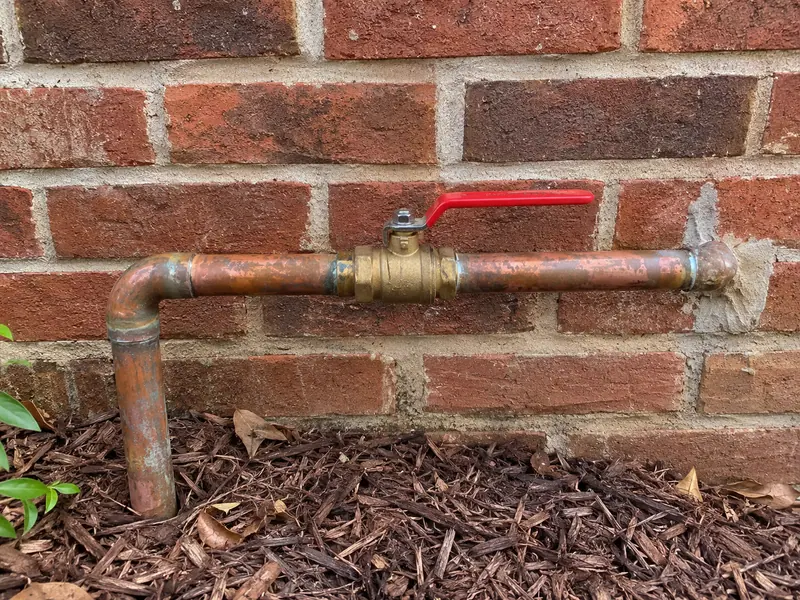
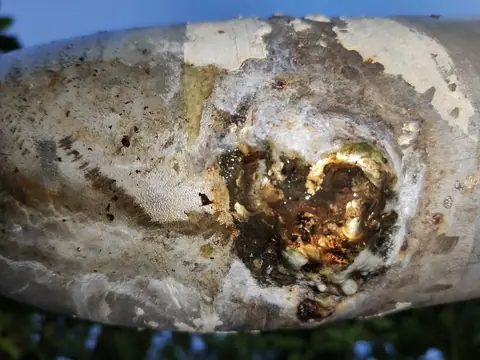
 Water where it shouldn't be
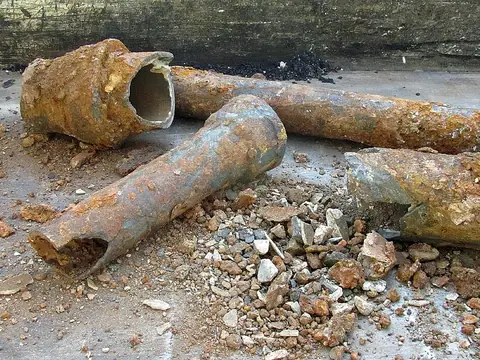 Pipes that might be old
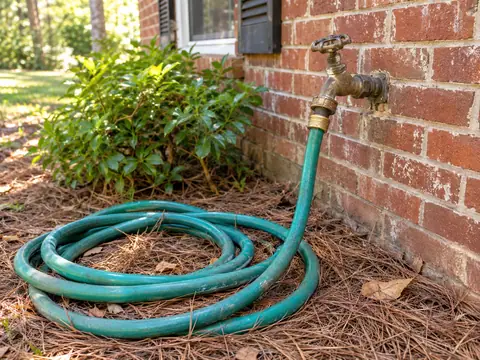 A freeze is coming (AI picture)
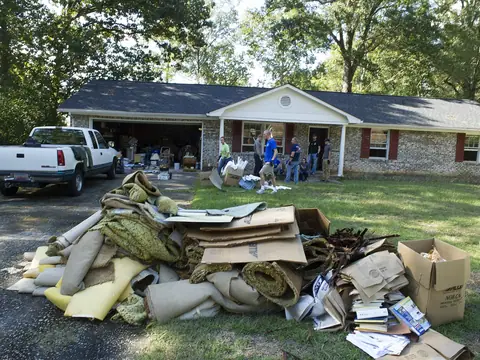 After a flood
 A smell you can't place
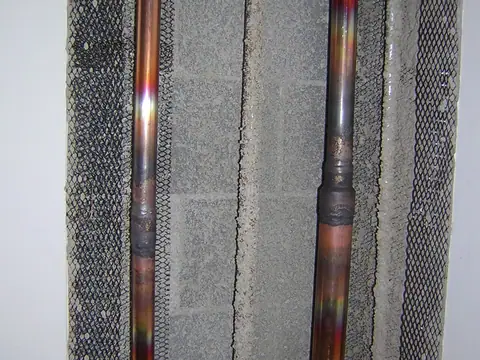 Who to call and what they need
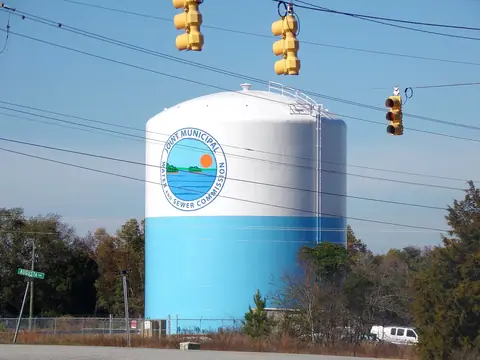 Whose water, town by town
 Every picture on the walk
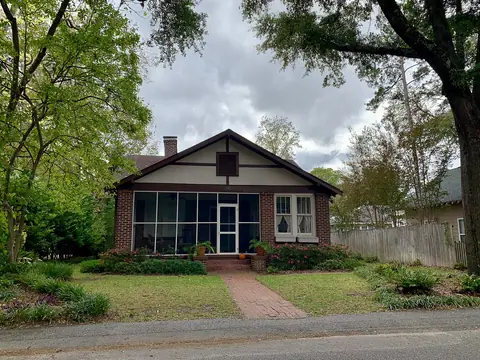
Front yard, stop 4 of 5
Check your water meter for a leak
To check your water meter for a leak, read it, use no water for two hours, then read it again.1 If the numbers moved, water is going somewhere. The average home’s leaks can waste more than 9,300 gallons a year,1 so those two hours are well spent.
Go to the meter box at the front of the yard with a pencil and a scrap of paper.
Updated , Midlands House Walk
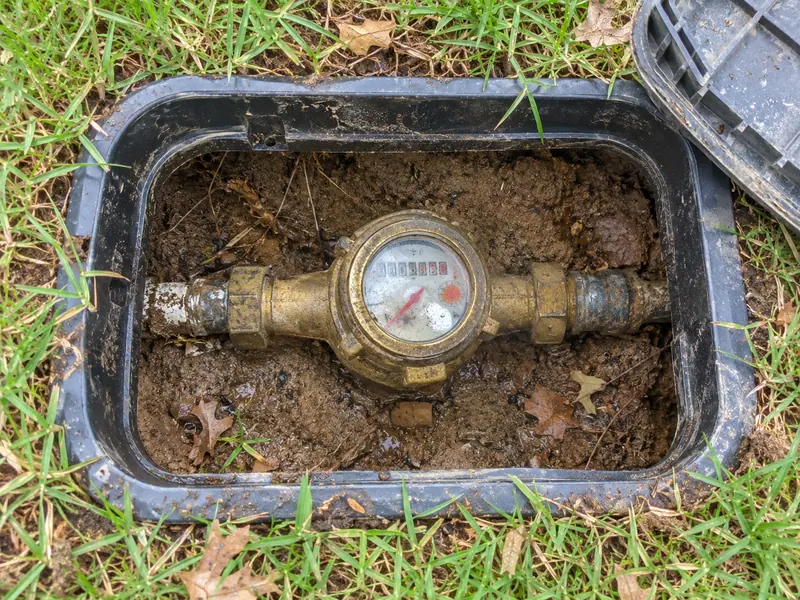
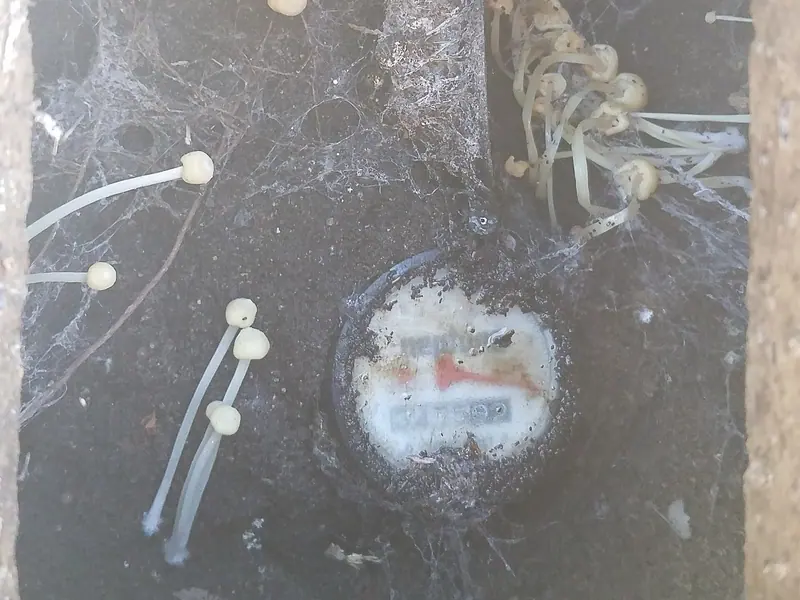
First reading: what do you write down?
- Look for
- Check that nothing is running first: dishwasher, washing machine, sprinklers. Then read the dial and note the time. Leave the valve in the box alone.
- What it tells you
- Columbia’s meters read cubic feet and bill in units of 100 cubic feet,2 so a small leak may hardly show on paper. The dial catches what a bill hides.
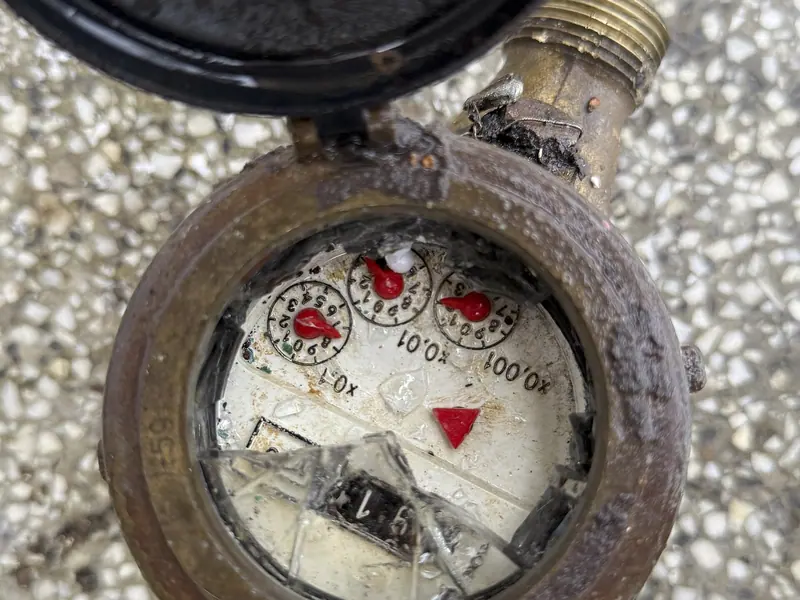
Second reading: did anything change?
- Look for
- Use no water at all for two hours, then read again and compare.1 Watch any small pointer too. A pointer creeping in a silent house is a clue of its own.
- What it tells you
- No change means no running leak showed in that window. Any movement means something is using water, and the job becomes finding what.
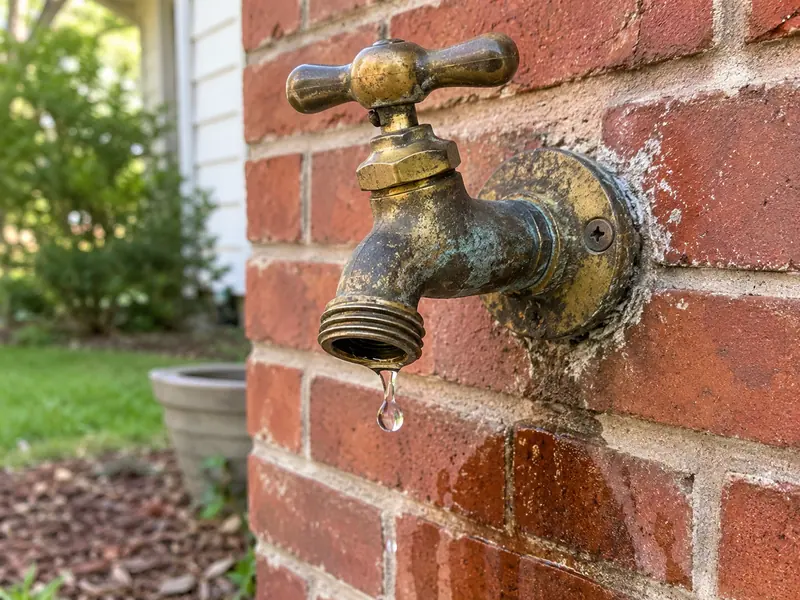
It moved. Where do you check first?
- Look for
- Walk the outdoor taps and hose ends, where a washer and pipe tape are EPA’s fix.1 Then put dye in the toilet tank and wait 10 minutes without flushing.1 Color in the bowl is a leak.
- What it tells you
- Those are the cheap answers, and they’re common ones. For taps, go to the outdoor tap stop.
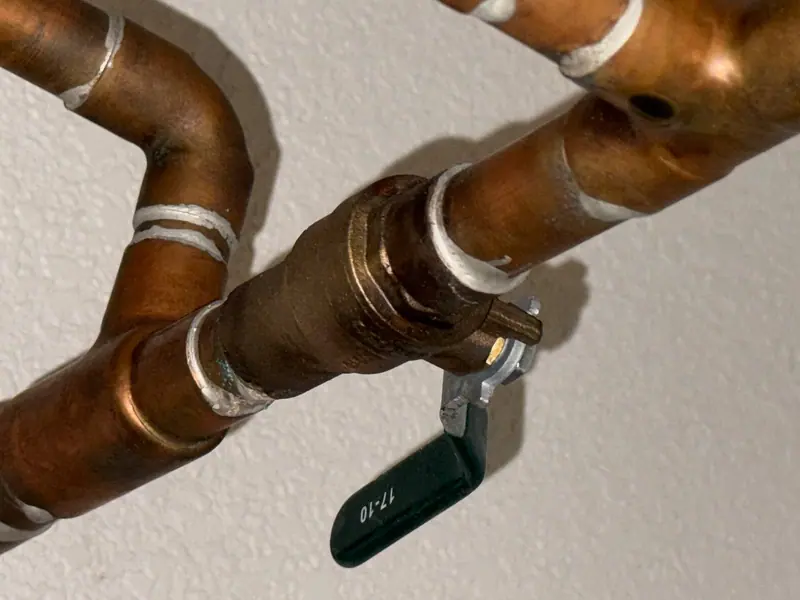
Still moving? What does the house shutoff tell you?
- Look for
- Close your house shutoff and watch the dial again.
- What it tells you
- Movement with that valve closed points to the buried line, which in Columbia belongs to the owner.2 No movement points inside or under the house, so look from the hatch.
A high bill already came. Is there any help?
Columbia customers may be eligible for a one-month courtesy reduction of 50 percent after a high-use bill, and a plumbing repair reduction once repairs are done and use is back to normal. No more than three months get adjusted, once in 12 months.2 West Columbia bills most homes every other month,4 so a leak there can run a while before the paper shows it. On any other system, ask.
| What you did | What the dial did | Where to look next |
|---|---|---|
| Two hours, no water used | Stayed put | No running leak showed in that window |
| Two hours, no water used | Moved | Taps, hose ends, toilets, then the shutoff check |
| House shutoff closed | Still moved | The buried line between meter and house |
| House shutoff closed | Stopped | Inside the house or under the floor |
Yours to do
For a licensed pro
- A leak you’ve traced to the buried line or under the floor goes to a licensed plumber.
- A dial you think is wrong, or a damaged meter, goes to the utility.
A short film for this stop
A water utility walks through reading the small dial on your meter, then shutting the house valve to narrow a leak down to the house, the irrigation or the line from the meter. From Seattle Public Utilities, an outside channel; it loads from YouTube only when you press play.