 Water where it shouldn't be
 Pipes that might be old
 A freeze is coming (AI picture)
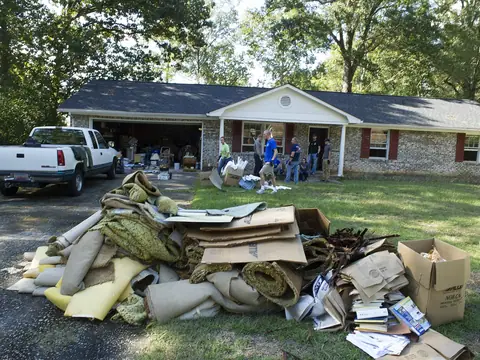 After a flood
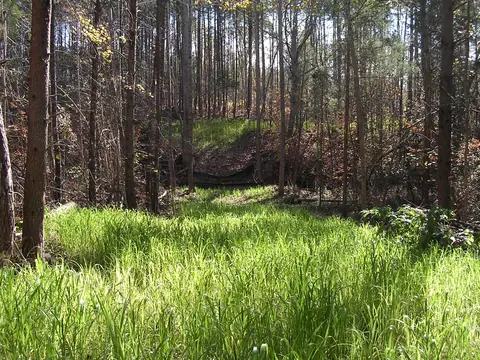 A smell you can't place
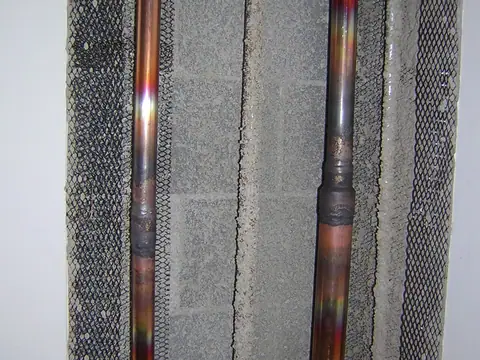 Who to call and what they need
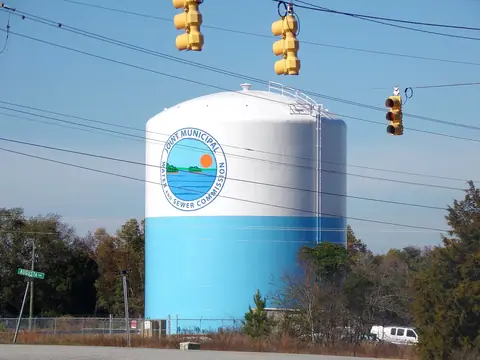 Whose water, town by town
 Every picture on the walk
Back yard, stop 4 of 7
A soggy patch in the yard: septic, pipe or rain?
A soggy spot in the yard is usually septic, a water line or rain, and three checks help: does it smell, does it dry after the rain stops, does the meter move with every tap off? Soggy ground over a field is one of Clemson’s failure signs1.
Stand at the edge of the wet patch, on dry ground, and look back at the house to see what runs under it.
Updated , Midlands House Walk
If it could be sewage, don’t walk through it. Keep shoes and hands out of the wet, and don’t dig until you know what’s underneath. SC811 comes first if a shovel is ever needed8.
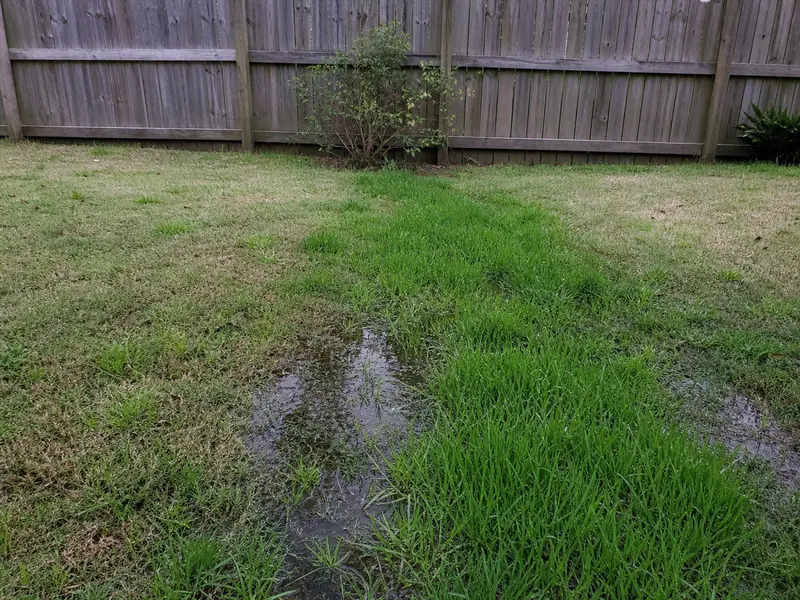
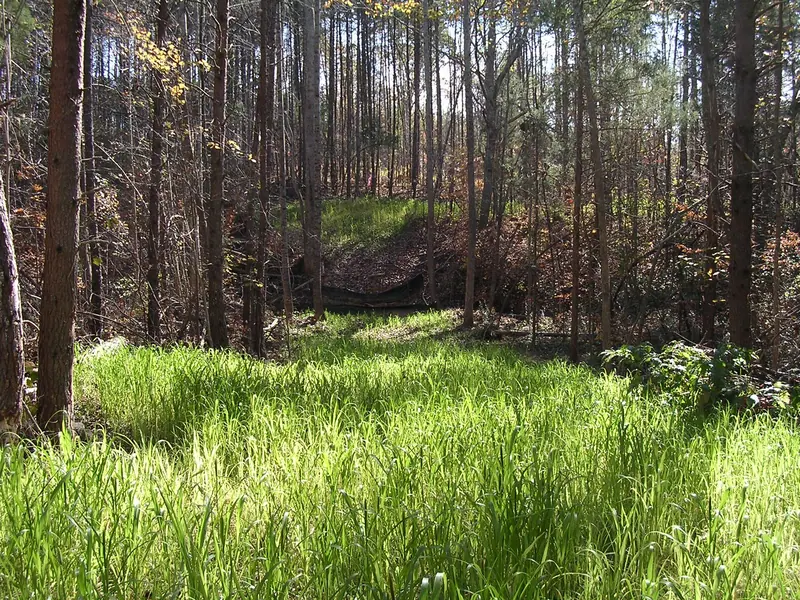
Does it follow the septic line?
- Look for
- Think about where your tank and field are. Greener grass over the field, a dead grass outline and sewage odors all point that way1.
- What it tells you
- Those are all signs Clemson lists for a failing system1. Not sure where it is? Find the septic tank first, and call a licensed contractor about the rest.
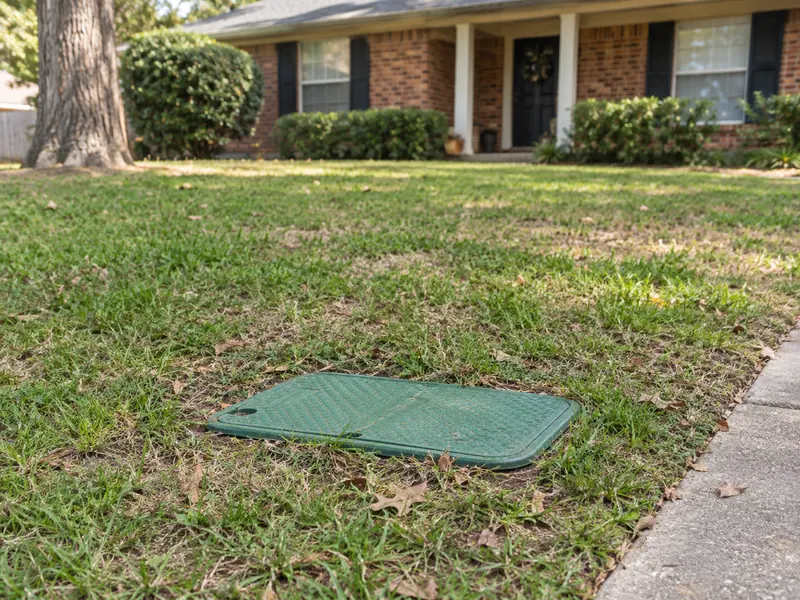
Is the meter moving?
- Look for
- Read the meter, use no water for 2 hours, and read it again2. Stay with looking at the dial. The valve and meter belong to the utility.
- What it tells you
- A change points to a supply leak, perhaps in the yard line. On Columbia Water, the pipe between meter and building is yours to fix, as the city can’t repair private lines3. The yard water line has more.
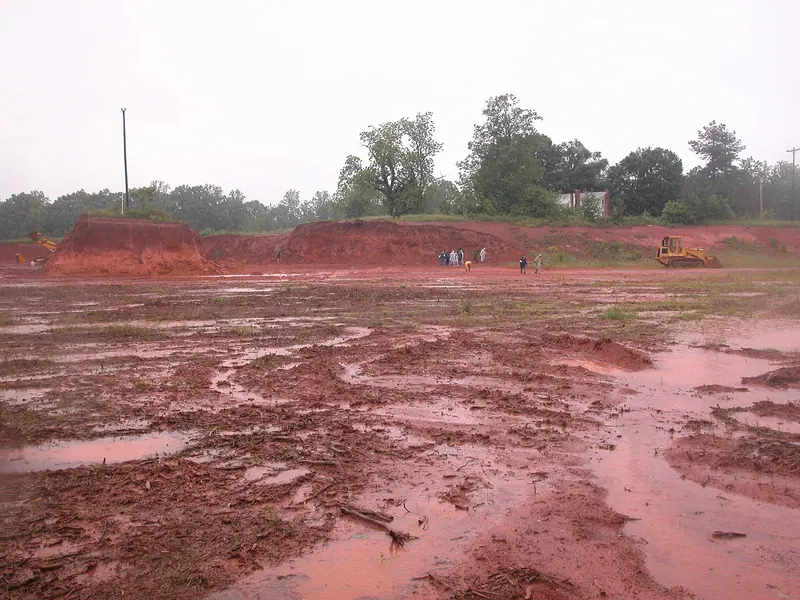
Does it dry out?
- Look for
- Check it the next day, then two or three days later. Note whether it shrinks once the rain stops, and whether it comes back on dry weeks.
- What it tells you
- A patch that only appears after rain and shrinks away may just be ground that holds water. In sandy yards, a hardpan below can move water sideways too4. See Midlands sand and clay.
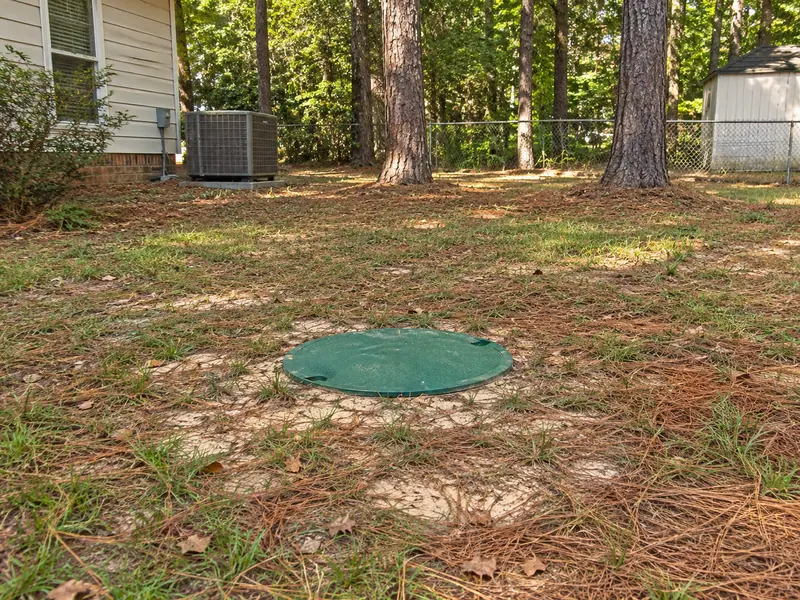
Does it smell?
- Look for
- Stand back and take a slow breath. Don’t kneel in the wet or stir it up. A sewage smell changes who you call.
- What it tells you
- Sewage surfacing is on Clemson’s list of failures1, and failing systems can be reported to the regional environmental office, now under SC DES1. A smell you can’t place goes further.
| Check | Result | Points to |
|---|---|---|
| Smell | Sewage smell at the patch | Septic or sewer, so call a contractor or plumber |
| Meter | Number moves with all taps off | A pressurized water line |
| Weather | Comes with rain, goes after | Runoff or slow ground, so keep watching it |
Yours to do
A short film for this stop
Near the end, this Extension video lists the warning signs of a septic problem, including wet spots, squishy soil and unusually lush grass near the drain field. From Purdue Extension, an outside channel; it loads from YouTube only when you press play.
Where this comes from
- Clemson HGIC: Be Septic Safe, septic failures
- EPA WaterSense: Fix a Leak Week
- Columbia Water: new customer guide (PDF)
- SC DNR: landscape chapter, state water assessment
- Clemson HGIC: Be Septic Safe, best practices
- Clemson HGIC: Be Septic Safe, locating the system
- Columbia Water: sanitary sewer overflows
- SC811: homeowners