 Water where it shouldn't be
 Pipes that might be old
 A freeze is coming (AI picture)
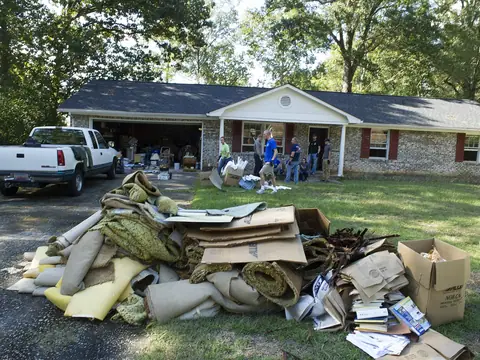 After a flood
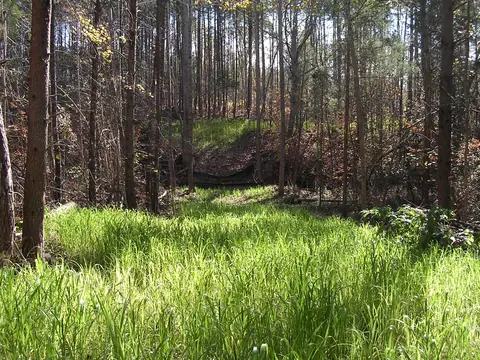 A smell you can't place
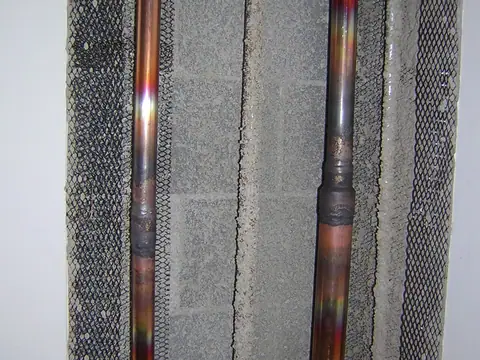 Who to call and what they need
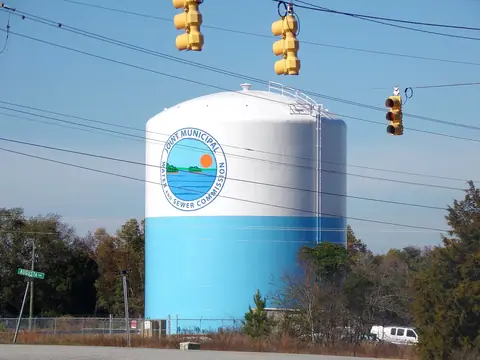 Whose water, town by town
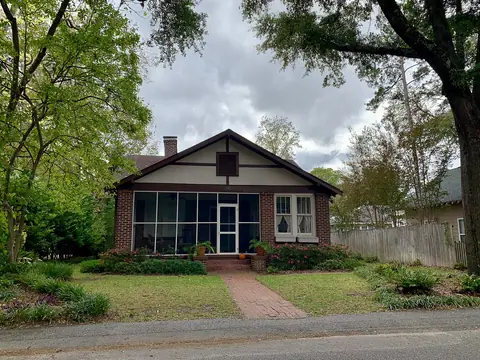 Every picture on the walk
Back yard, stop 2 of 7
Septic in Midlands sand and clay
A septic system in sandy soil or Midlands clay behaves according to soil texture, which affects how quickly wastewater moves1. Walk your yard to learn which you have. Fine sand can drain fast, while a clay layer below may push water sideways2. This page is for looking, not choosing a system.
Go to the back yard after a good rain, and look at any bare patch or cut bank you can find.
Updated , Midlands House Walk
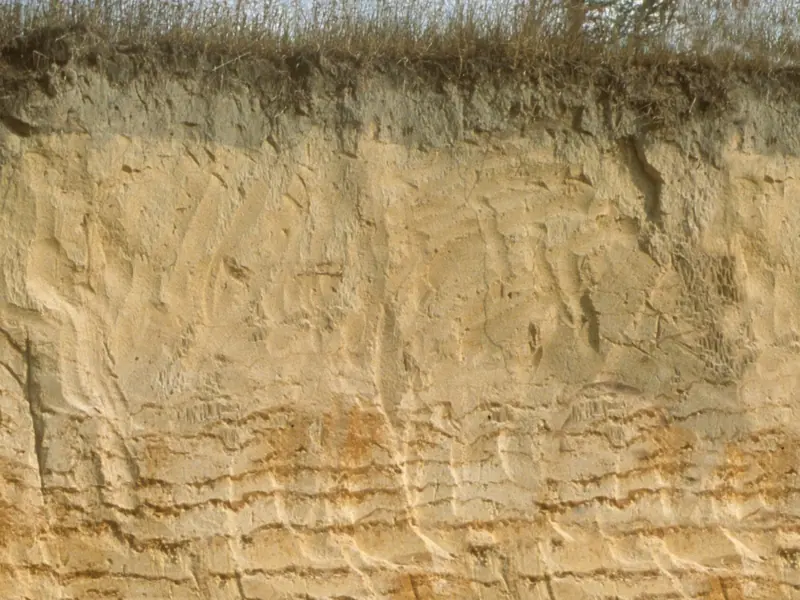
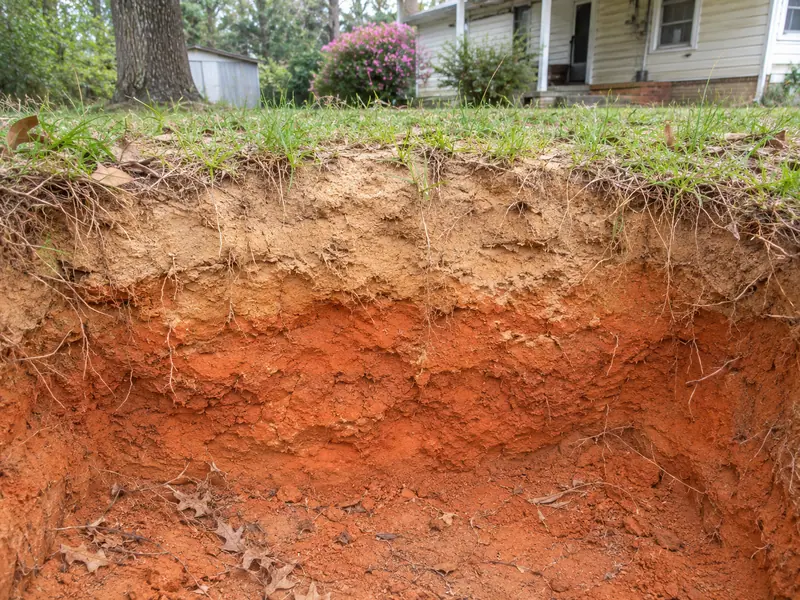
What color is your soil?
- Look for
- Look at a garden bed, a washed-out spot or the dirt from an old fence hole. Pale and gritty is sand. Orange-red and sticky when wet is clay.
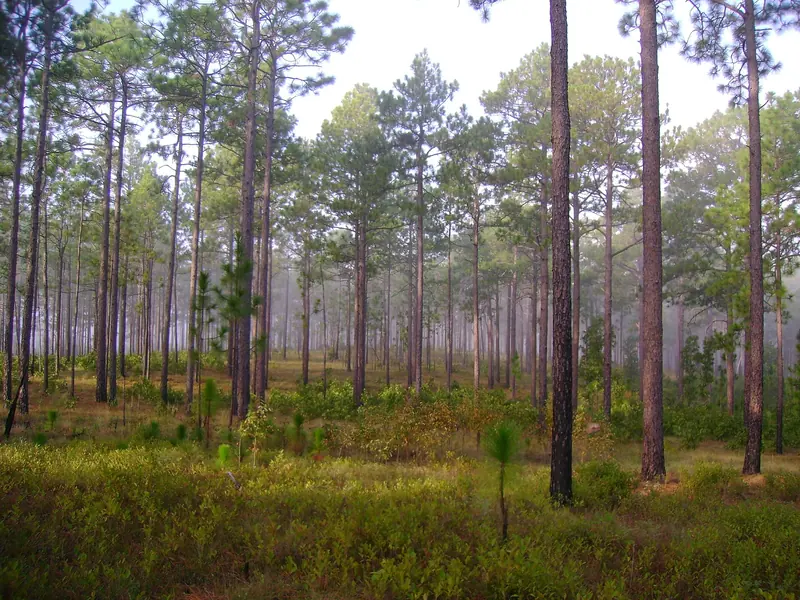
Do you have pines and thin grass?
- Look for
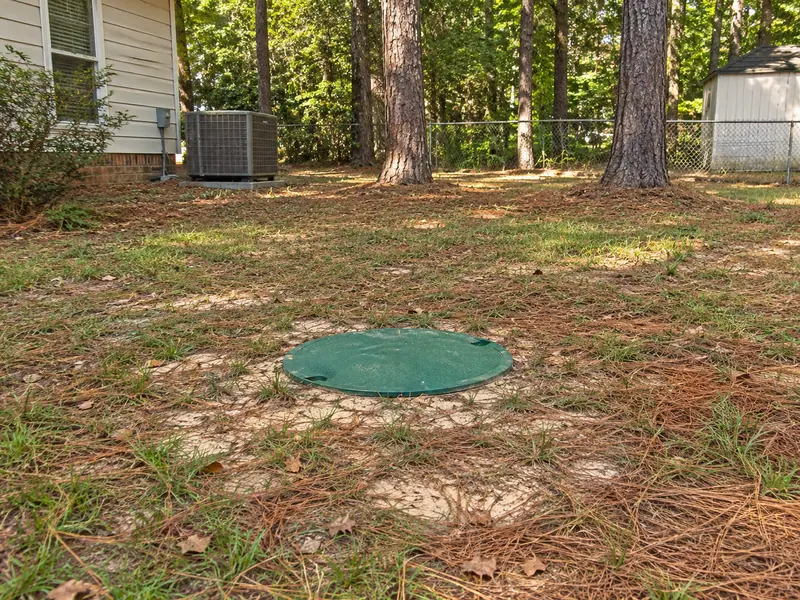
- Look at what grows without help. Pine straw, thin grass and pale ground underfoot all suggest sandy soil close to the surface.
- What it tells you
- Sandhills surface soils run from fine sand to loam, and many have a finer clay hardpan below2. Water may drop fast, then travel sideways on top of that layer. That can matter for a soggy patch well away from where the rain fell.
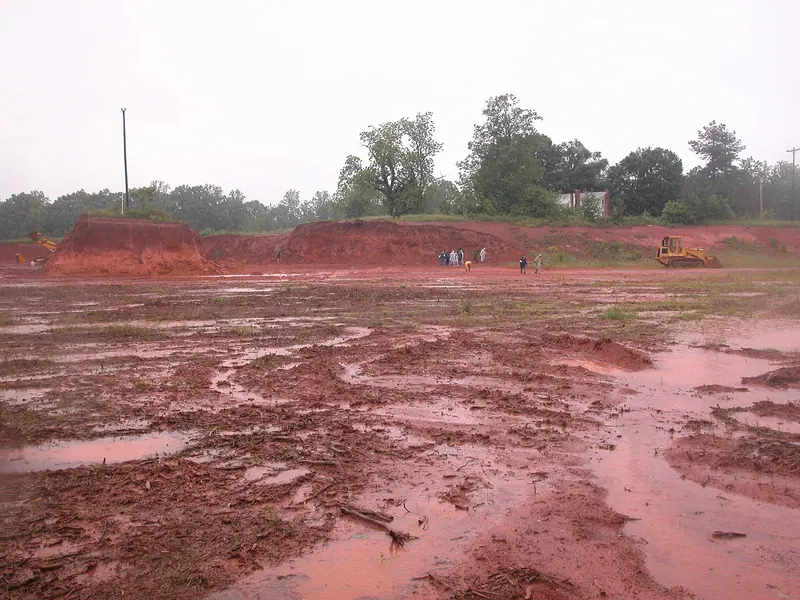
Does rain sit on top?
- Look for
- Check the yard an hour after a storm and again the next day. Note where it stays wet, and how long.
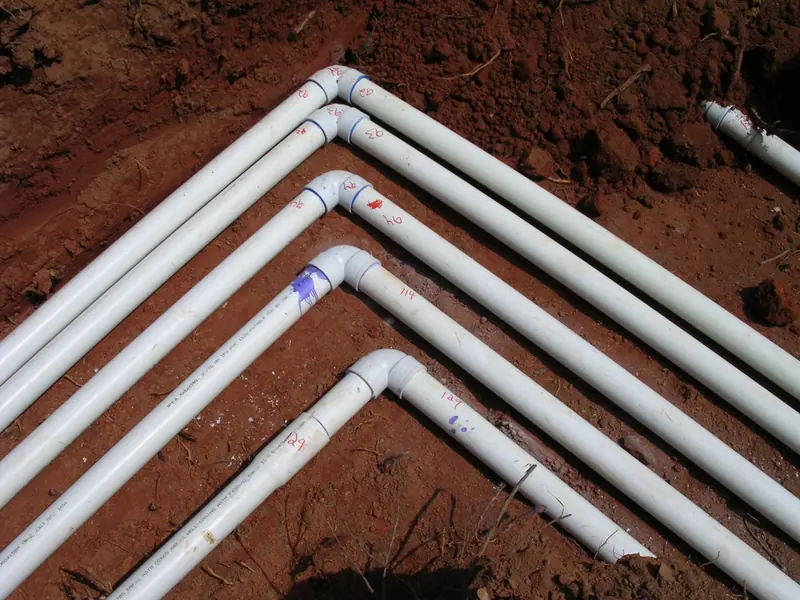
Can you tell where the field is?
- Look for
- Look for long, even stripes of greener grass, or a strip that stays wetter than the rest. Don’t dig to check. South Carolina trenches typically sit 8.5 to 10 feet apart6.
- What it tells you
- Stripes that far apart, greener than the rest, may show your field7. Knowing where it is tells you where to keep cars and tree roots away, which septic care goes into.
Does a flood change any of this?
Yes, for a while. EPA says not to use the system until water in the soil field is lower than water around the house9. After a flood sets out what to do and in what order.
Yours to do
For a licensed pro
- Pumping, which shouldn’t happen during or just after heavy rain, as the tank can float4.
- Working out whether a field is failing or just wet, by a licensed contractor8.
- Any question about changing or adding a system, which starts with a site evaluation of landscape, slope and soil1. Ask SC DES; Clemson’s pages may still say DHEC.
A short film for this stop
An Extension video gives four habits that help any drain field last: regular pumping, less water, care with what goes down the drain, and shallow-rooted grass on top. From VA Extension, an outside channel; it loads from YouTube only when you press play.
Where this comes from
- Clemson HGIC: how to apply for a South Carolina septic permit
- SC DNR: landscape chapter, state water assessment
- Clemson HGIC: South Carolina's water resources
- Clemson HGIC: Be Septic Safe, unique situations
- Clemson HGIC: Be Septic Safe, best practices
- Clemson HGIC: landscaping over septic drain fields
- Clemson HGIC: Be Septic Safe, septic failures
- Clemson HGIC: Be Septic Safe, locating the system
- EPA: septic systems, what to do after a flood