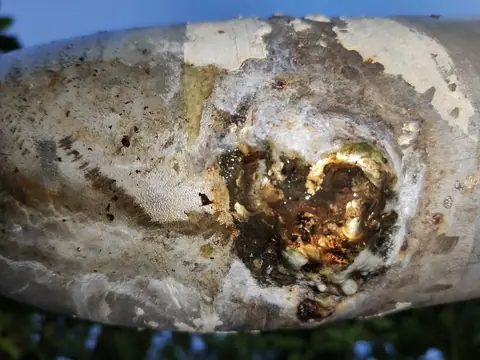
 Water where it shouldn't be
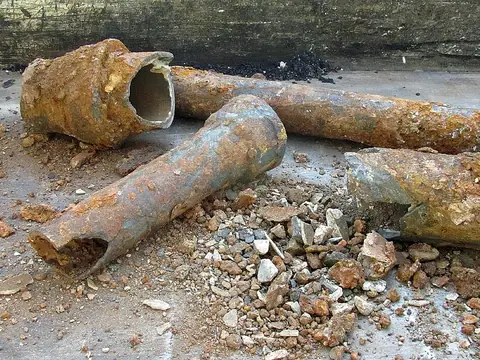 Pipes that might be old
 A freeze is coming (AI picture)
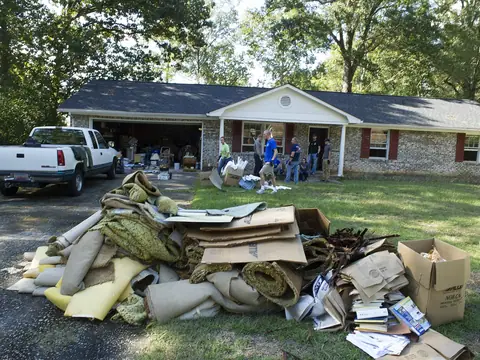 After a flood
 A smell you can't place
 Who to call and what they need
 Whose water, town by town
 Every picture on the walk
Back yard, stop 5 of 7
A well that went under floodwater
If a flooded well went under, don’t turn on the pump, and don’t drink or wash with the water1. EPA says drilled, driven and bored wells are best disinfected by a well or pump contractor, with a bacteria test 7 to 10 days after1. Use another water source until then.
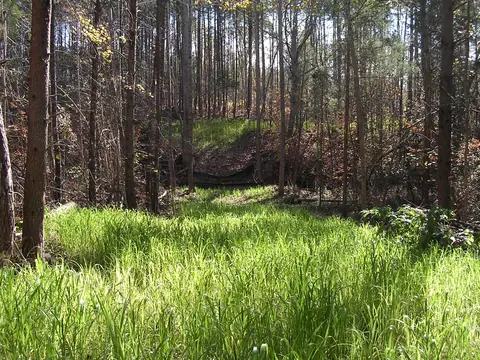
Go to a dry spot where you can see the well head and pump house, and look from there.
Updated , Midlands House Walk
The pump switch stays off, however much you want the water back. EPA’s reason is shock1. Don’t touch any power while your feet are in water2.
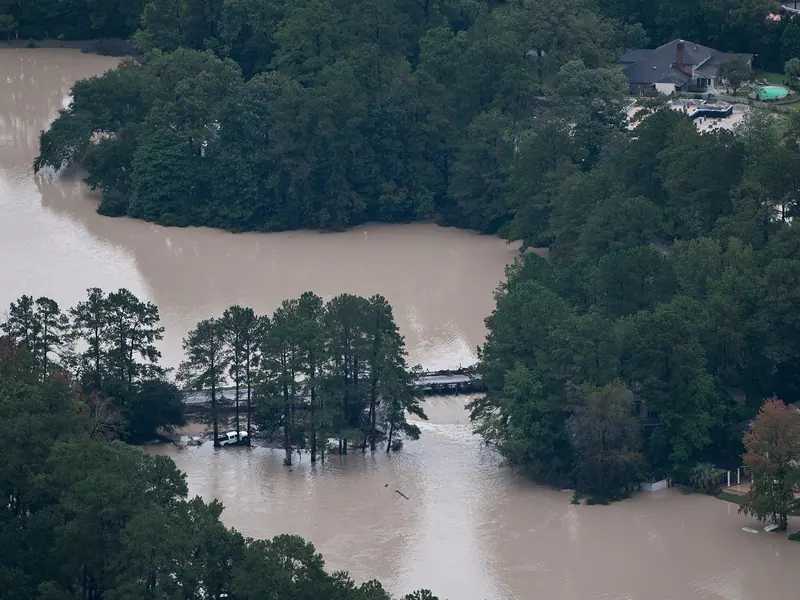
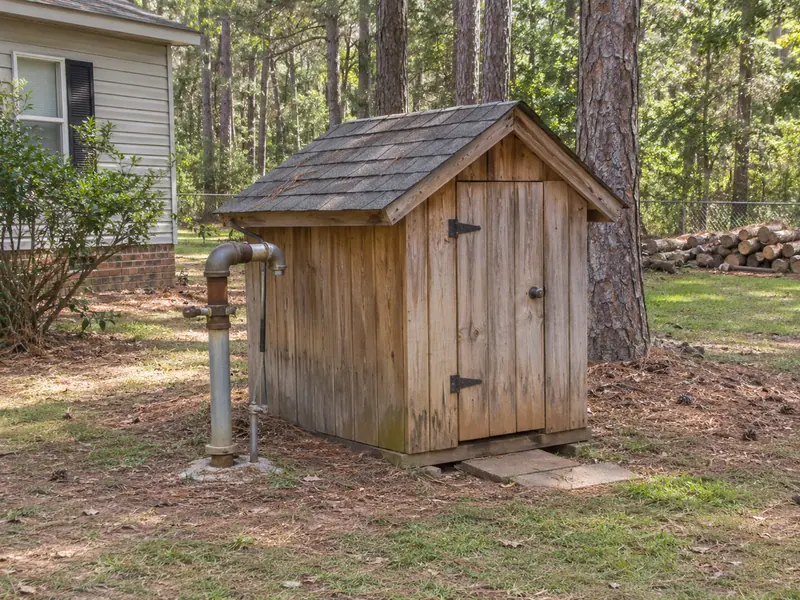
Did water reach the well head?
- Look for
- Look for a mud line on the pump house, debris against the well pipe, or silt around it. Do this from the dry side and leave the switch alone.
- What it tells you
- A high water mark tells a contractor what to expect. EPA says wells over 10 years old or under 50 feet deep are likely contaminated even with no apparent damage1, so a clean look doesn’t clear it.
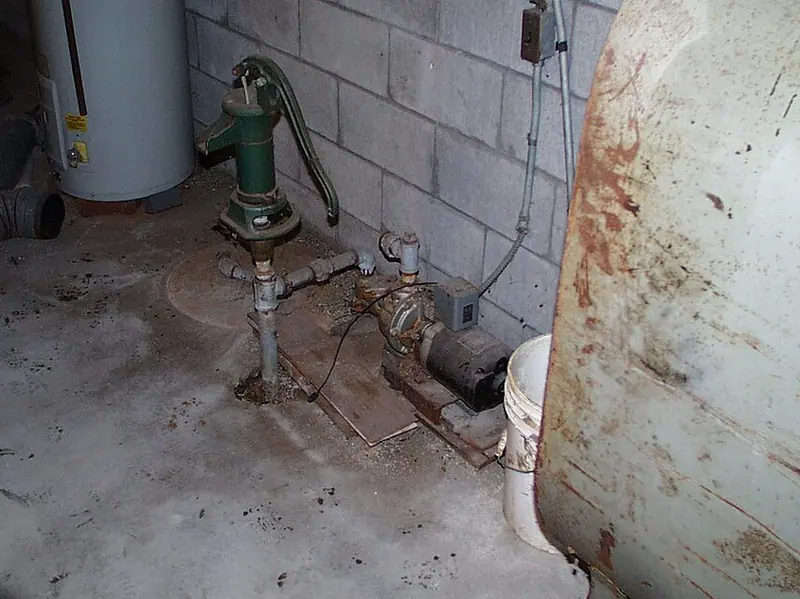
Was the pump or tank in the water?
- Look for
- Look from the doorway for silt on the floor or a line on the tank. Note how high it got and how long it stayed, if you know.
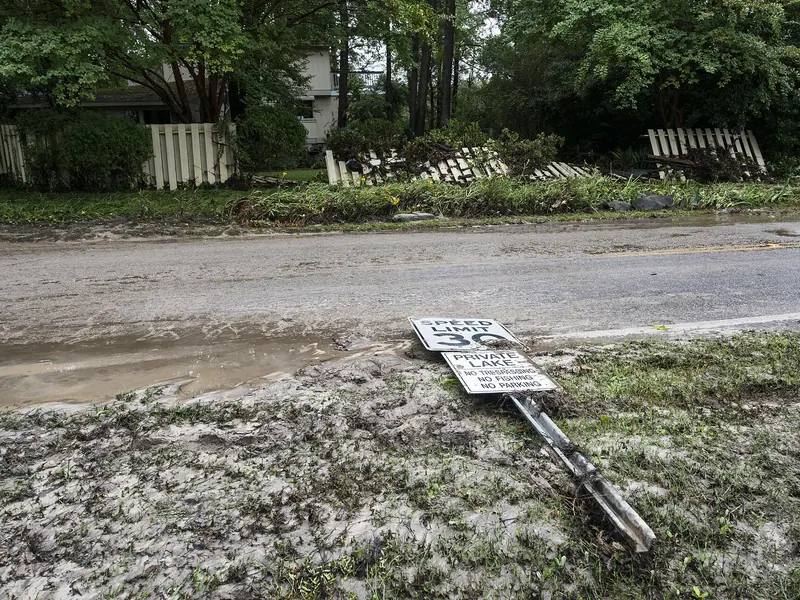
What did the septic field get?
- Look for
- Look for silt and standing water over the field. If you have a septic system as well, this matters as much as the well. Keep cars off it.
- What it tells you
- EPA says not to use the system until water in the soil field is lower than water around the house3. South Carolina’s minimum spacing is 75 feet between septic and well4, so floodwater may cover both. See after a flood.
When does testing come?
- Look for
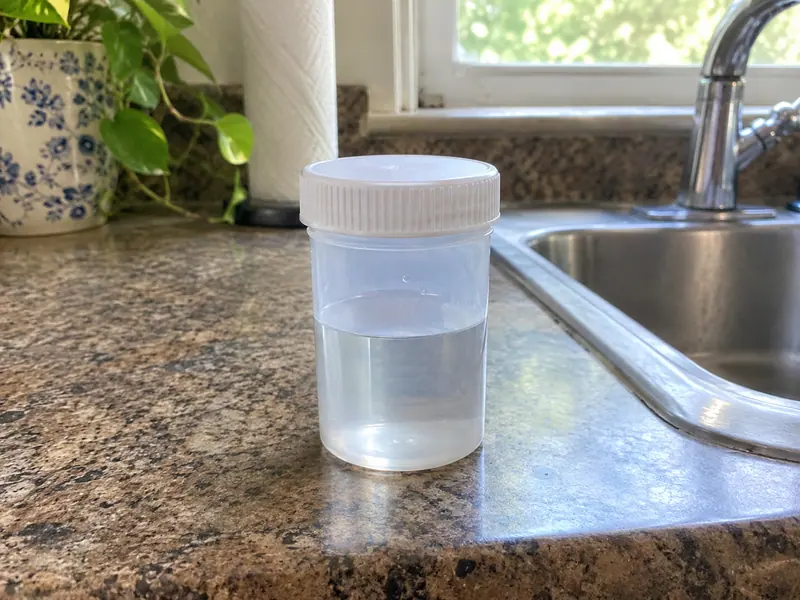
- Mark your calendar on the day the well is disinfected. The sample goes in 7 to 10 days later, and the lab decides what the answer is1.
- What it tells you
- Clemson says well owners are responsible for testing, through the SC DES Private Well Program or labs5. Its pages may still say DHEC. Testing a private well has fees and wait times.
Does a utility boil notice speak for your well?
Usually not. A utility’s boil water notice speaks for its own system, so follow whatever the issuing agency says, and EPA’s flooded-well document for the well itself. The October 2015 rain dropped 10 to 20 inches from Columbia southeast across the eastern Midlands6, so flooded wells aren’t an abstract worry here.