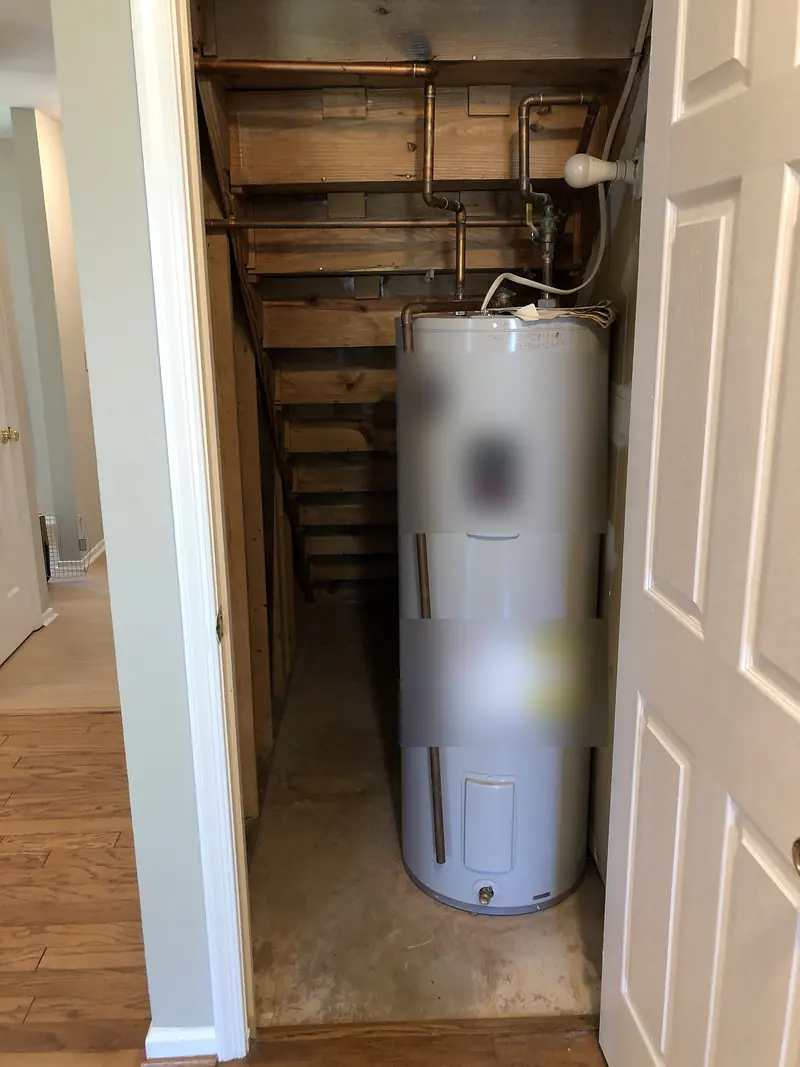
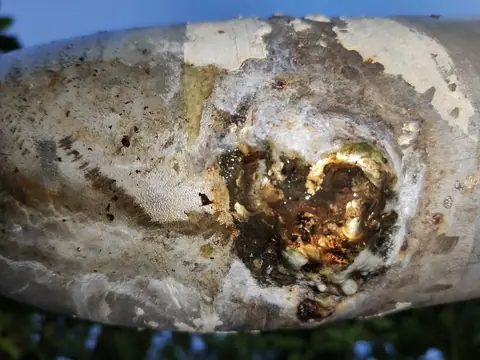
 Water where it shouldn't be
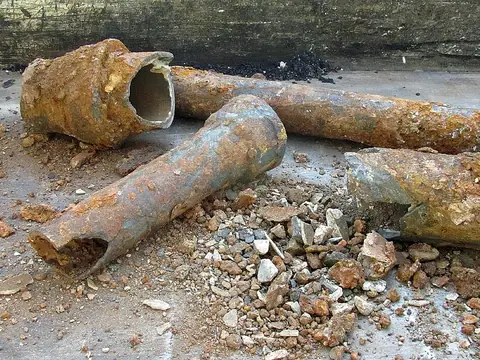 Pipes that might be old
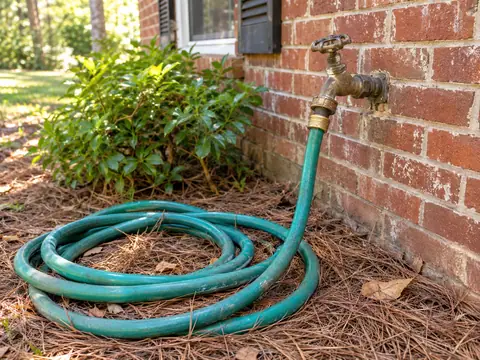 A freeze is coming (AI picture)
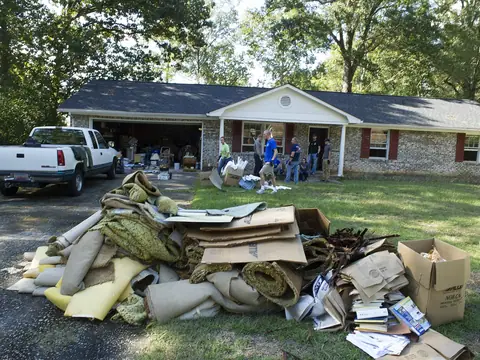 After a flood
 A smell you can't place
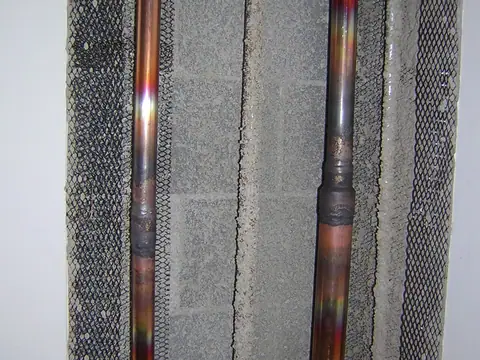 Who to call and what they need
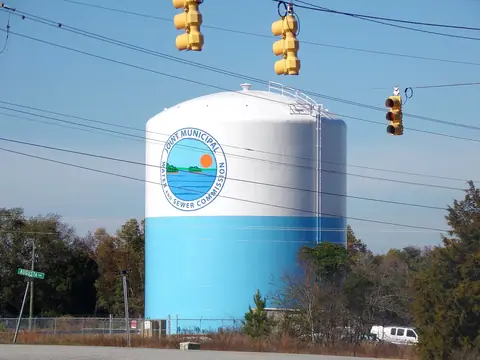 Whose water, town by town
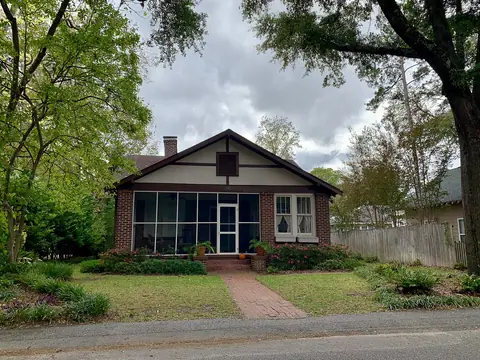 Every picture on the walk
Side of the house, stop 1 of 4
Outdoor tap dripping or leaking at the wall
An outdoor faucet leaking where the hose joins usually needs a new washer and pipe tape.1 A drip from the spout or handle means worn parts inside the tap. Water showing up indoors or in the wall needs a plumber.
Stand at the tap with the hose on and the water running, then again with the water off.
Updated , Midlands House Walk
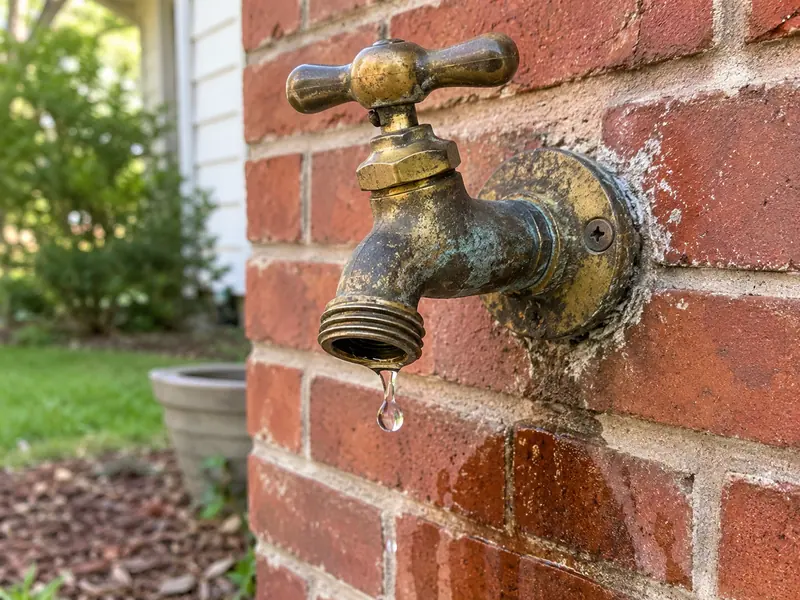
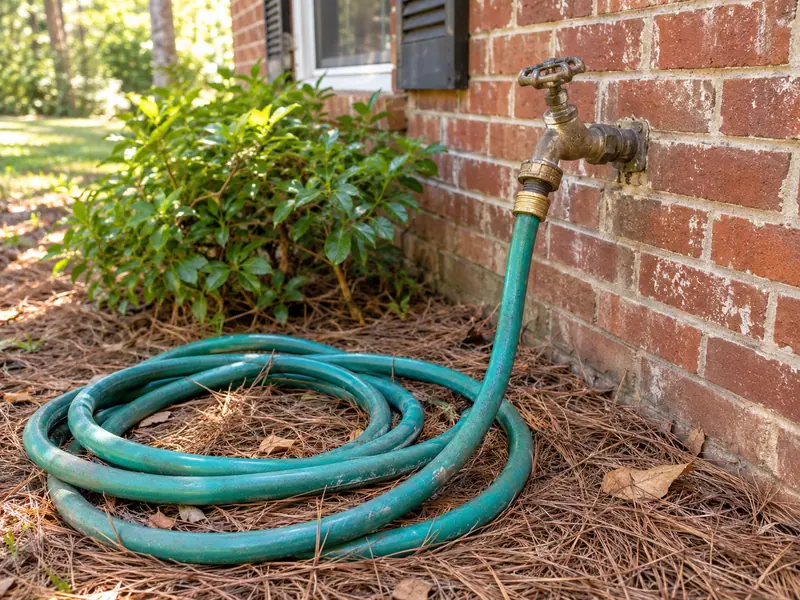
Does it spray where the hose joins?
- Look for
- Turn the water on with the hose attached and watch the threads. A fine spray or steady dribble here is the connection, and the tap itself may be fine.
- What it tells you
- This is the easy one. EPA’s fix for a hose connection is a washer and pipe tape on the threads.1 A small part, and no plumber needed.
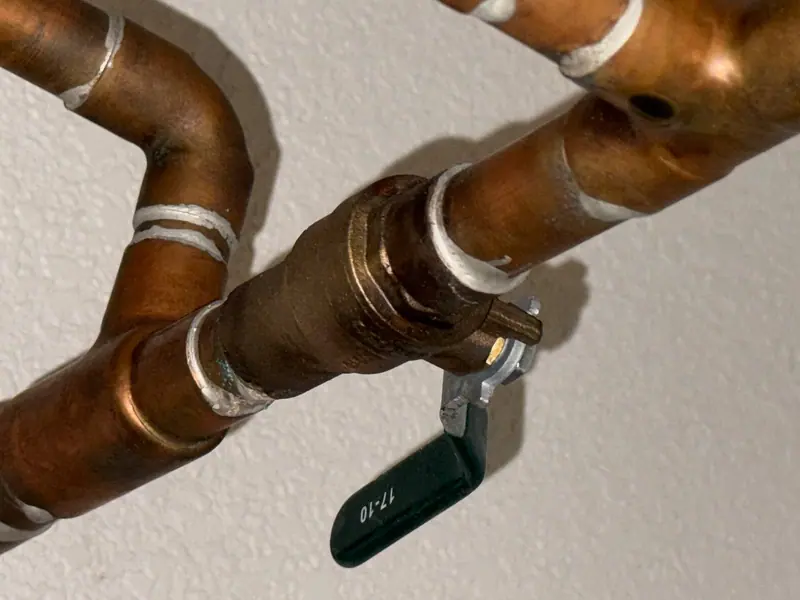
How do you stop the water to work on it?
- Look for
- Look for a valve on the branch feeding that tap, often somewhere indoors or under the floor. No luck? Use your house shutoff.
- What it tells you
- If you can stop the water, you can get a washer or handle changed. If nothing closes it, that’s a separate problem to raise when the plumber comes.
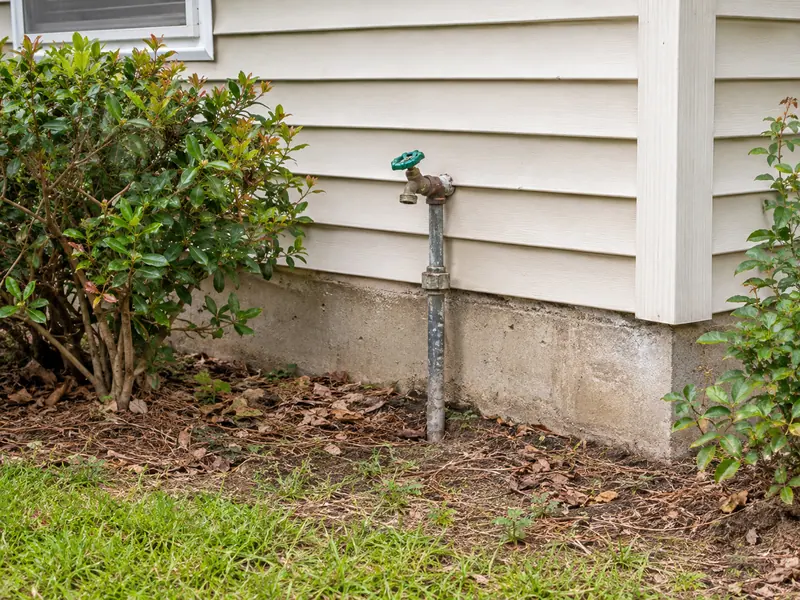
Where does the pipe to the tap run?
- Look for
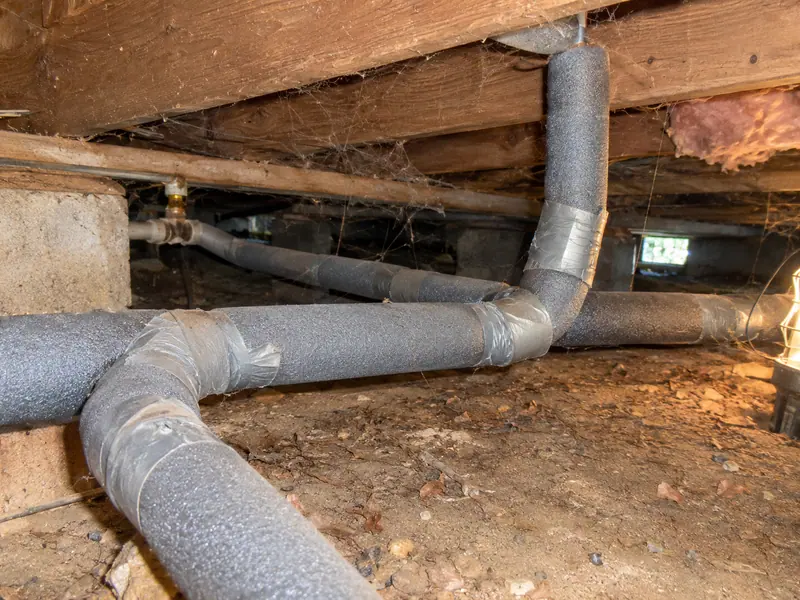
- Follow it with your eyes. Some taps come straight out of the wall, and others ride a bare pipe up from the ground, as on a slab house.
Is water showing up somewhere other than the tap?
- Look for
- After a cold snap, run the tap while someone checks indoors, or look from the hatch. Watch for a wet wall, wet floor or drips below. Clemson notes bursts often go unnoticed until it warms above freezing.2
- What it tells you
- A tap that runs fine outside while water turns up inside points to a split pipe behind it. Close the main shutoff and get a plumber. It won’t fix itself.
Dripping from the spout or around the handle?
With the handle closed, a drip from the spout usually means a worn washer or seat inside. Water around the stem when the tap is running usually means worn packing. Both are small parts in a tap you can keep, unless the body is badly worn.
How much cold does a tap see here?
South Carolina winters seldom go below 20°F, with single digits now and then. Cold spells of two days or more can still freeze pipes under homes.3 Get ready with a freeze is coming.
Yours to do
- Change the hose washer and tape the threads.1
- Insulate exposed hot and cold lines you can reach before winter.2
- Run the meter leak test if you can’t tell whether a leak has stopped.
For a licensed pro
- A split pipe behind the wall or under the floor.
- Replacing the tap itself, especially where it’s soldered to the line.