 Water where it shouldn't be
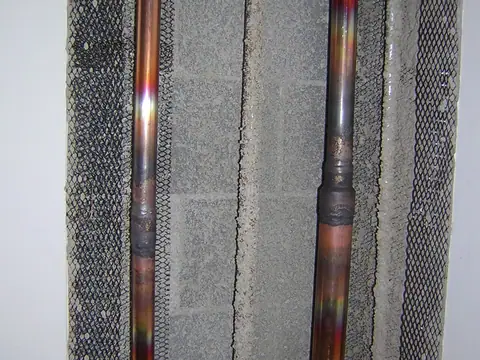
 Pipes that might be old
 A freeze is coming (AI picture)
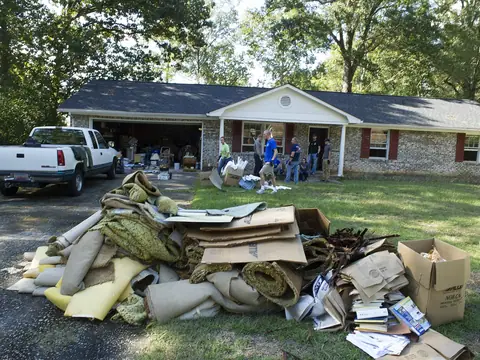 After a flood
 A smell you can't place
 Who to call and what they need
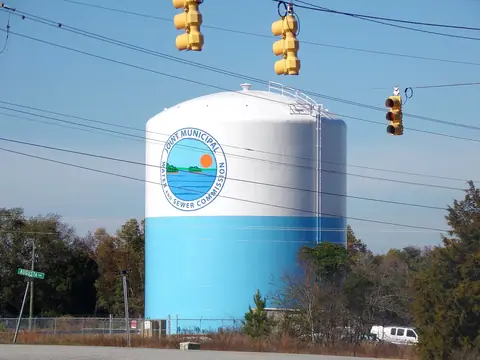 Whose water, town by town
 Every picture on the walk
Back yard, stop 7 of 7
Orange stains and grit from a well
Well water iron stains show as orange streaks on sinks and inside toilet tanks, but a stain can’t tell you how much iron is there, or whether old pipe is adding to it. Get the minerals and metals test first; it covers iron, manganese, lead, copper and pH1. Clemson lists $50, 6 to 8 weeks.
Go to the bathroom sink, then lift the toilet tank lid and look at the walls and water line.
Updated , Midlands House Walk
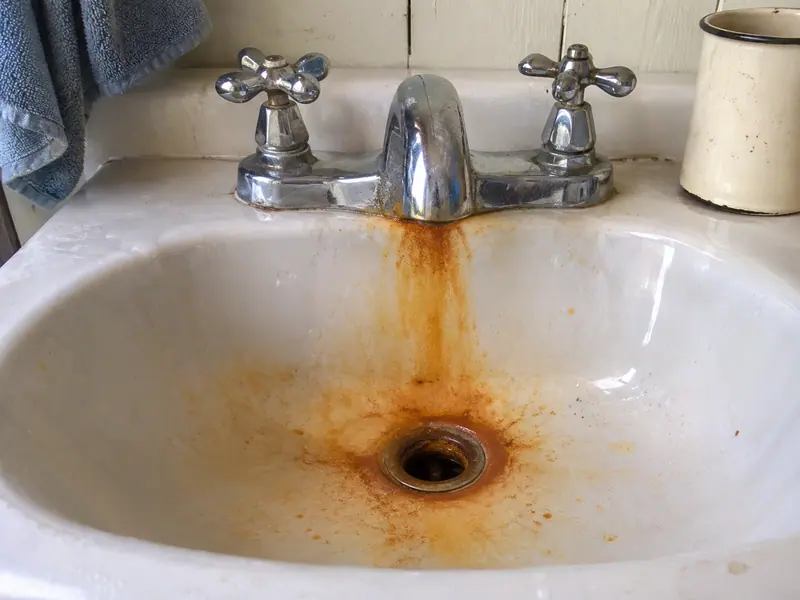
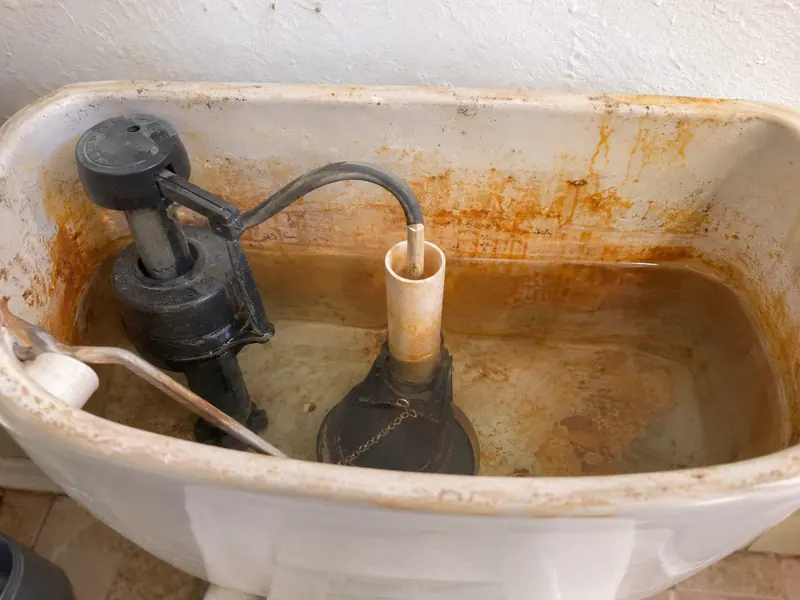
What's inside the toilet tank?
- Look for
- Lift the lid and set it down somewhere flat. Note the color on the walls and any sludge at the bottom. Take a phone photo for the lab or contractor.
- What it tells you
- Orange points you toward iron, and the test will say how much1. It doesn’t say where it’s coming from, so keep looking for rusty pipe too.
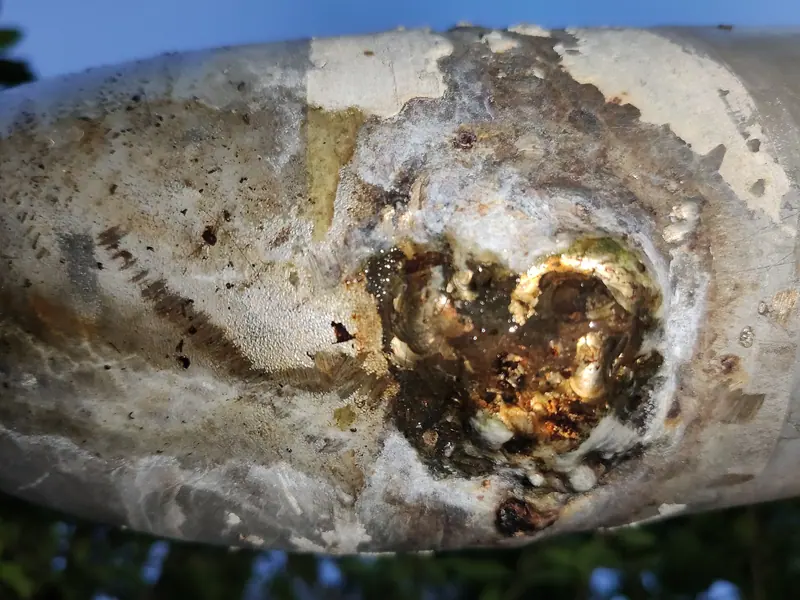
Could the pipe be adding to it?
- Look for
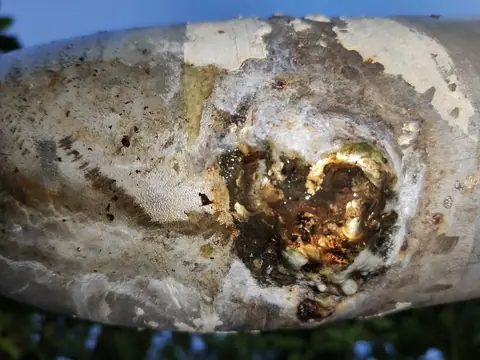
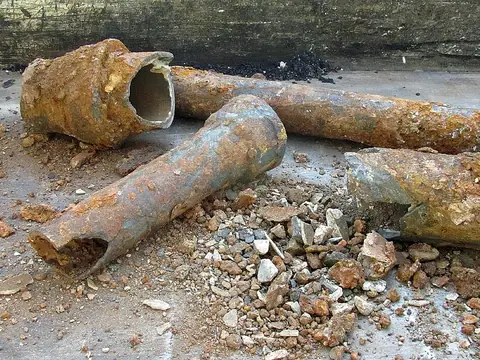
- Check the pipe at the pressure tank and any you can see from the hatch. Write down any rust spots, flaking paint and wet joints.
- What it tells you
- Galvanized line is iron or steel dipped in zinc2, and it can rust. A filter on the water won’t mend a rusted pipe. Tell the plumber or contractor what you found.
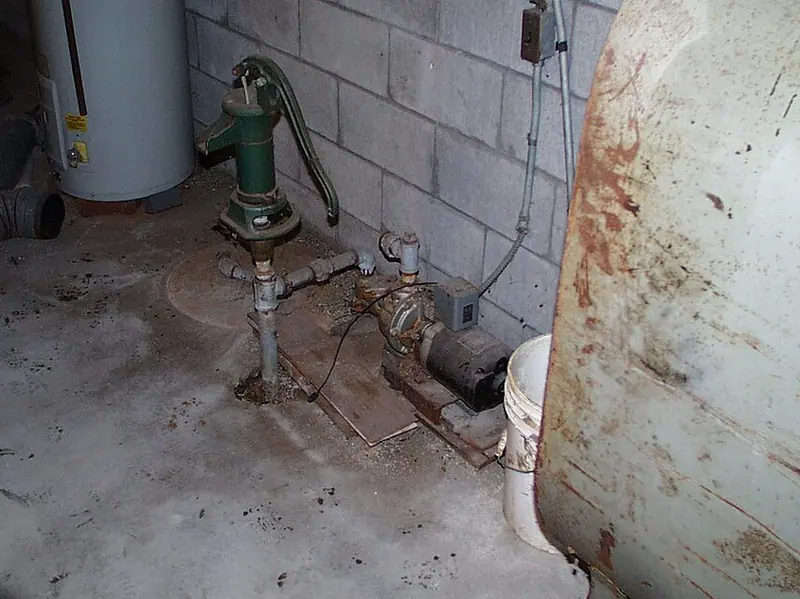
What about grit?
- Look for
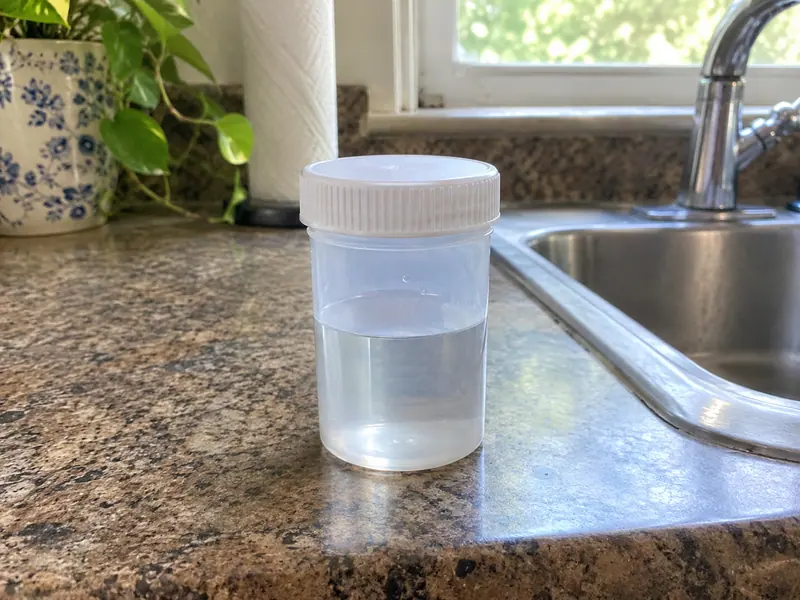
- Run a glass of cold water and let it settle. Sand or grit at the bottom is a different question from color, and it’s a good one to raise with a well contractor.
- What it tells you
- Grit can come from the well or from the pipes, and only a look at the system will tell. A filter sized for iron won’t answer that. Your well test comes first either way.
Have you got a number yet?
- Look for
- Check your files for an old lab report. If there isn’t one, or it’s from before you noticed the stains, ask the program or a lab about a new sample.
Is this a problem on city water?
This page is about wells. On city water, Columbia Water says filters aren’t needed to make its water safe, and warns that in-home tests can create a false impression3. If stains showed up after a flood, read a well that went under floodwater before anything else.
Yours to do
For a licensed pro
- A well contractor for grit, a change in color, or anything sudden.
- A plumber for rusted pipe or joints.
- Sizing and fitting of any treatment, after the lab result, and only for what it shows.