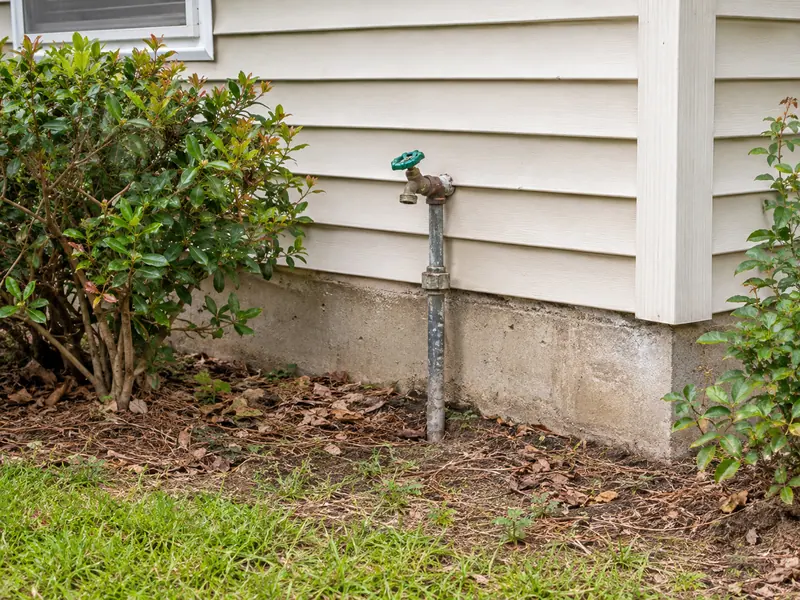
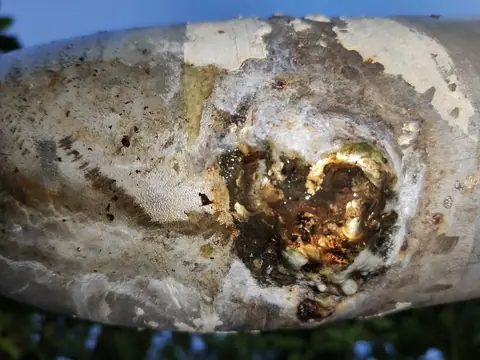
 Water where it shouldn't be
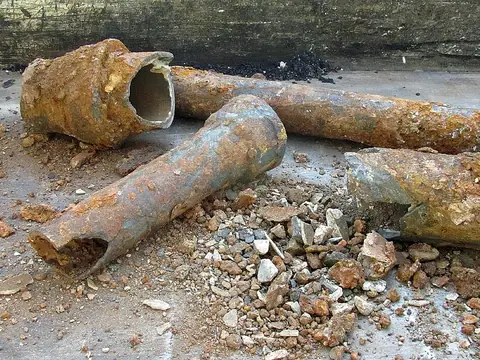 Pipes that might be old
 A freeze is coming (AI picture)
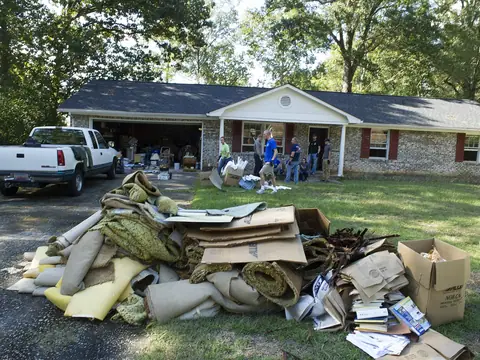 After a flood
 A smell you can't place
 Who to call and what they need
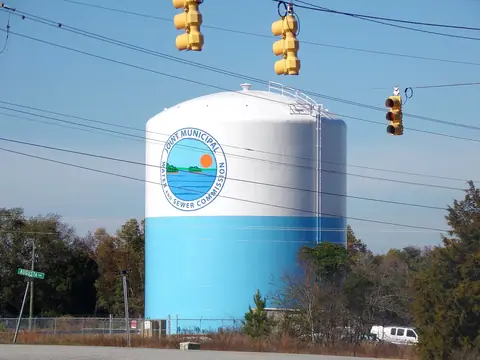 Whose water, town by town
 Every picture on the walk
Under the house, stop 5 of 7
Old galvanized pipe: signs and questions to ask
Galvanized pipe is iron or steel dipped in zinc1, and in an old house it shows itself as rusty threads and joints, and sometimes weak flow. Ask your utility or a licensed plumber what your service line is made of, since galvanized line can pick up lead from upstream1.
Go to the spot where the water line enters your house, at the hatch or by the house shutoff, with a fridge magnet in your pocket.
Updated , Midlands House Walk
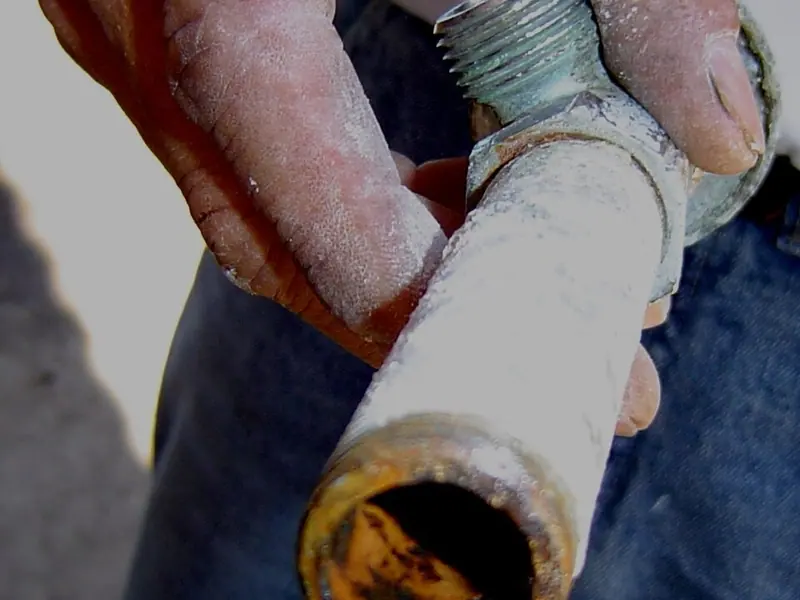
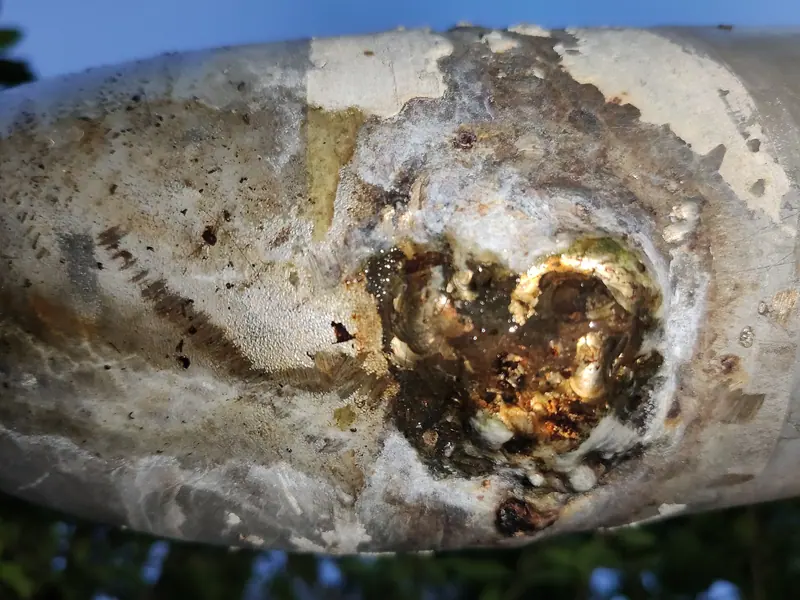
What does the outside look like?
- Look for
- Check the joints you can see from the hatch or at the shutoff. Rust at threads, flaking paint and wet spots are all worth a photo. A fridge magnet sticks to galvanized steel, not to copper or lead.
- What it tells you
- Rust at one joint can be the first spot of many. Bring your photos to a plumber and ask how much of the run has the same pipe, and what other old pipes the house may hold.
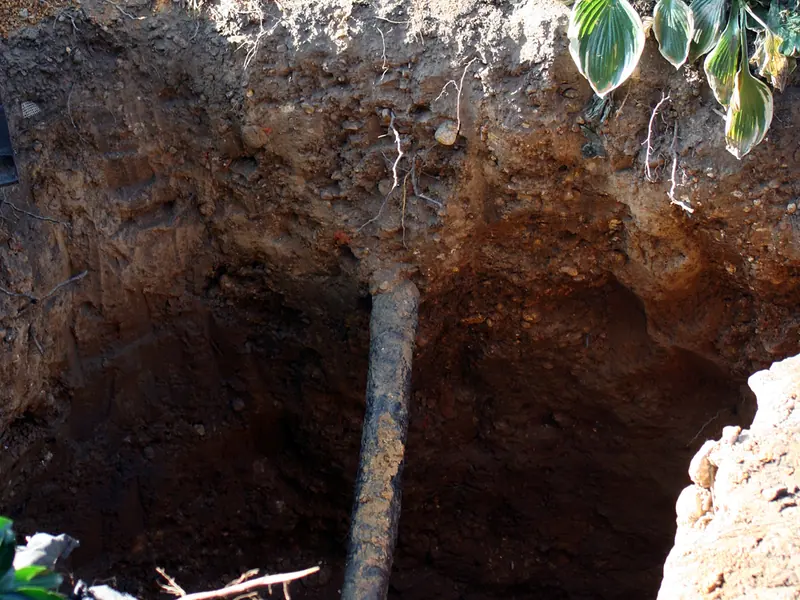
What about the line from the street?
- Look for
- Look at the pipe where it first enters the house. That short visible bit may tell you what’s buried, and a plumber can read it quickly.
- What it tells you
- EPA says lead pipes are more likely in homes built before 1986, and to ask your utility or a licensed plumber about the service line2. Utilities must keep an inventory and notify customers1, so ask for what it shows. The yard water line covers who owns which part.
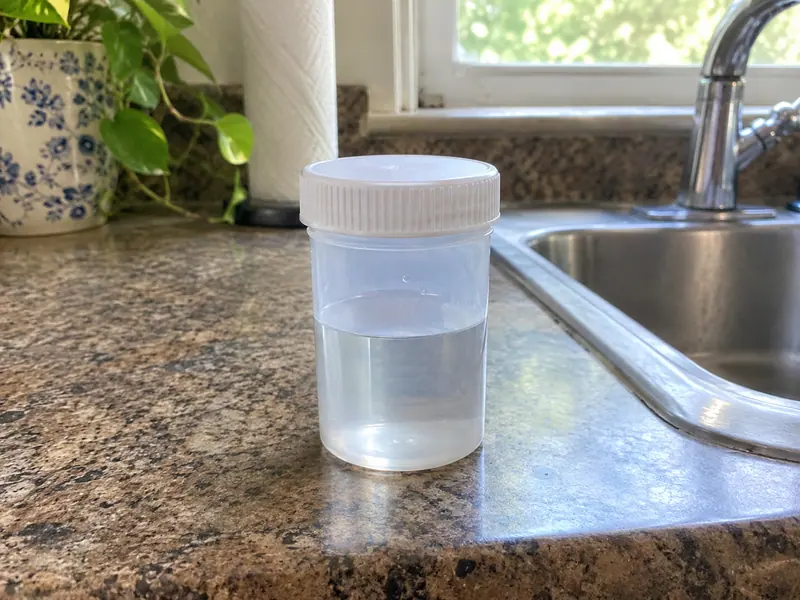
Should you test the water?
- Look for
- Think about who drinks at the kitchen tap, and whether anyone there is a child or someone mixing formula. That shapes how soon to test.
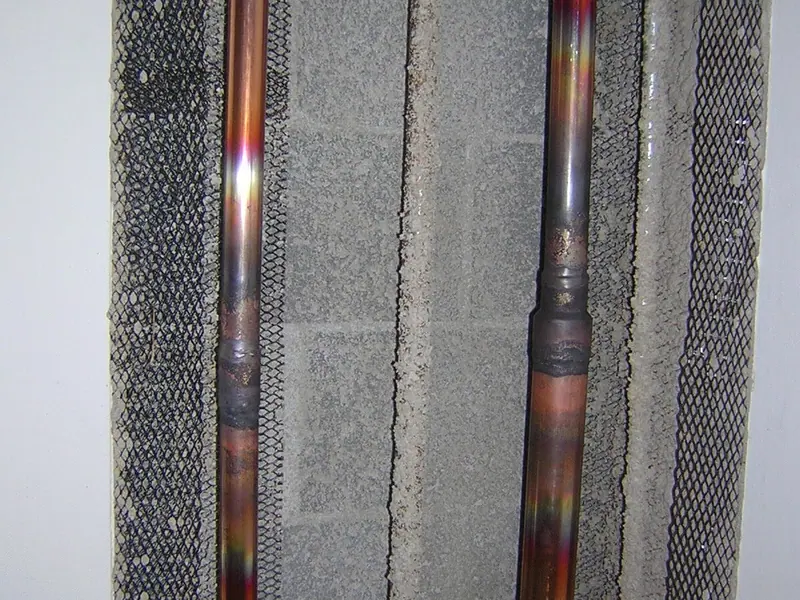
Has it been partly replaced?
- Look for
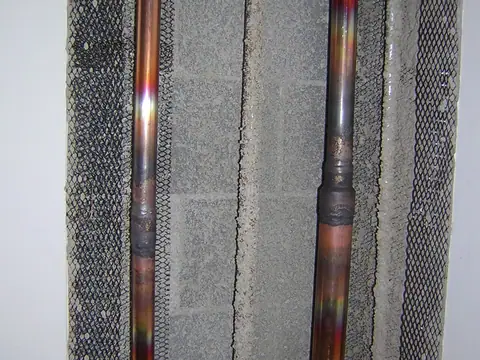
- Trace where new pipe meets old. A short new section ending at a rusty joint tells you the old pipe carries on past it.
- What it tells you
- Weak flow at one sink is first an aerator question: Columbia Water says to take it off and rinse it3. A whole-house drop could be a leak or main break. Then see low water pressure.
What should you ask before agreeing to work?
Three questions cover most of it. Which stretches are galvanized, and how do you know? Is the service line part of this job, or does part belong to the utility? Will you pull a permit? Towns may run their own permits, so who to call helps you check4.
Yours to do
For a licensed pro
- Identifying the service line and any buried pipe.
- Cutting out and replacing rusted sections. Old threaded joints can break when disturbed, so leave the wrench alone.
- Quoting a full or partial replacement. Ask which sections would stay, and why.