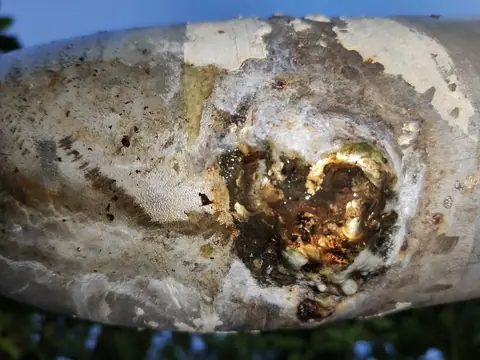
 Water where it shouldn't be
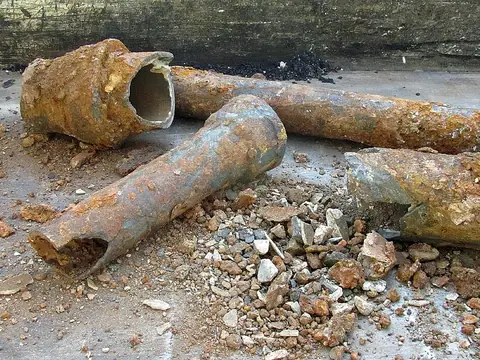 Pipes that might be old
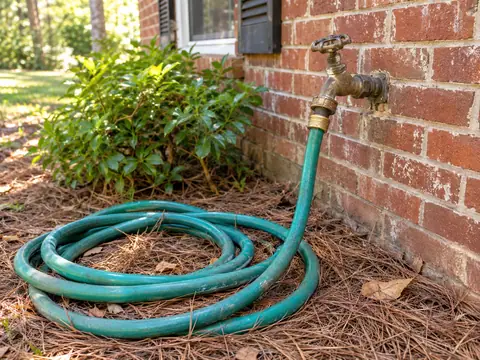 A freeze is coming (AI picture)
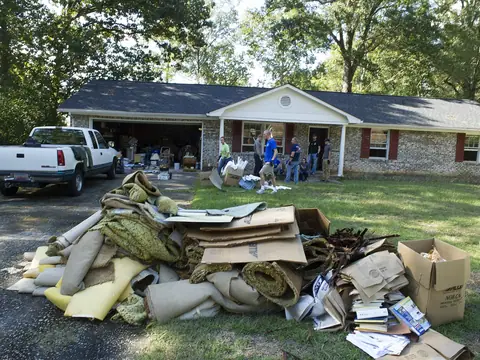 After a flood
 A smell you can't place
 Who to call and what they need
 Whose water, town by town
 Every picture on the walk
Under the house, stop 3 of 7
Wrapping the pipes under the house
To insulate pipes in a crawl space, cover hot and cold lines alike, since Clemson says hot lines can freeze quicker1. Insulated exposed pipes generally handle mild freezes down to 20°F. A cold spell of two days or more, or single digits, may still freeze them2.
Kneel at the hatch and shine a light along the water lines to see which stretches are wrapped.
Updated , Midlands House Walk
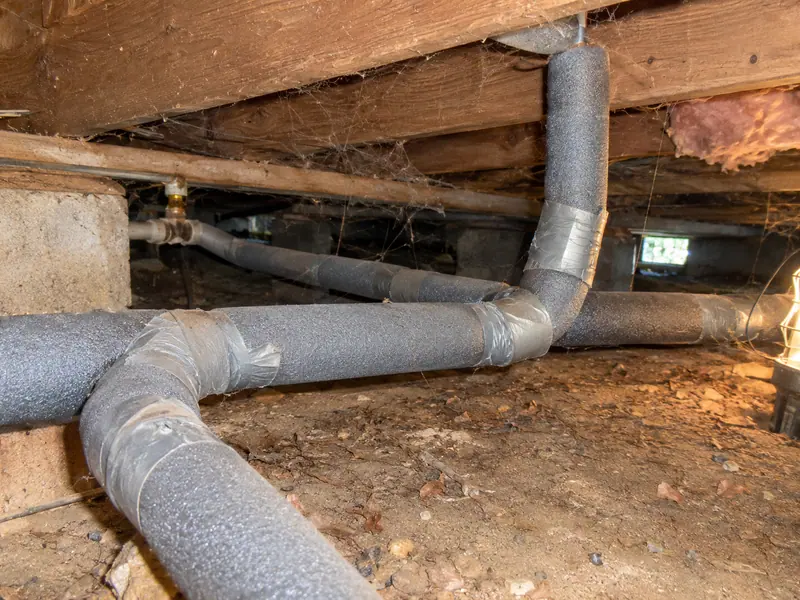
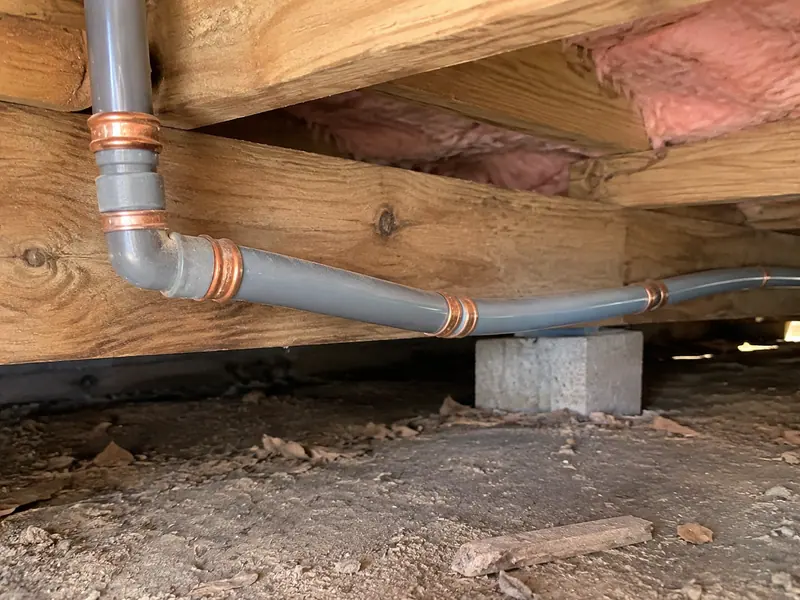
Which stretches are bare?
- Look for
- Follow the lines from the point where they come through the foundation. Elbows, valves and short runs are the bits most often skipped.
- What it tells you
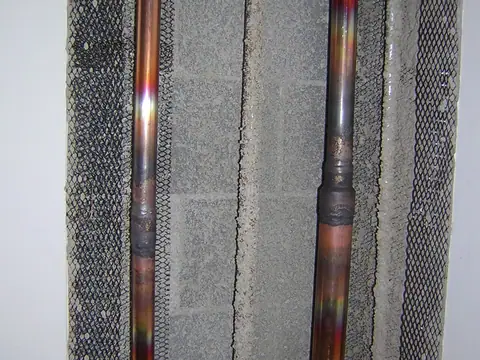
- Clemson’s 20°F figure is for insulated exposed pipes2, so a bare run can’t count on it. If the pipe looks like this one, also read gray plastic pipe.
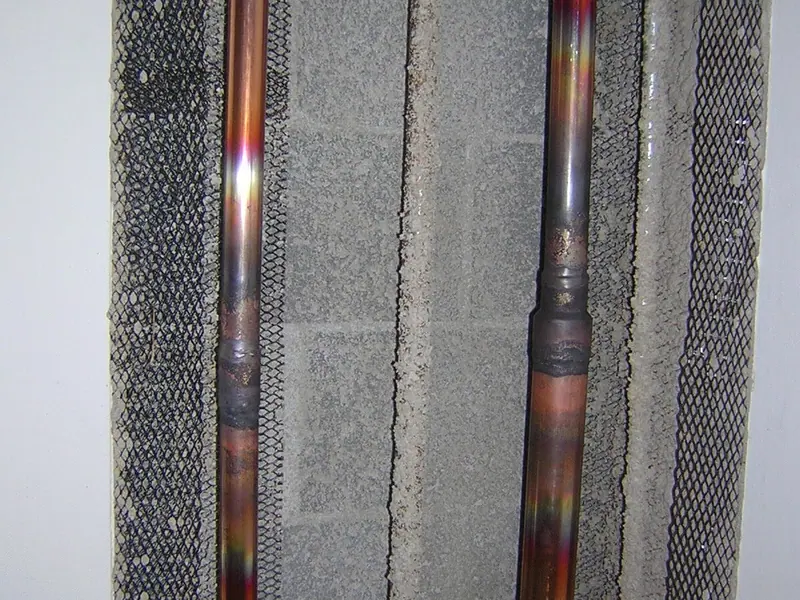
Don't stop at the crawlspace
- Look for
- Check lines in the garage and along outside walls while you’re at it. A quick walk with a flashlight will show most of them.
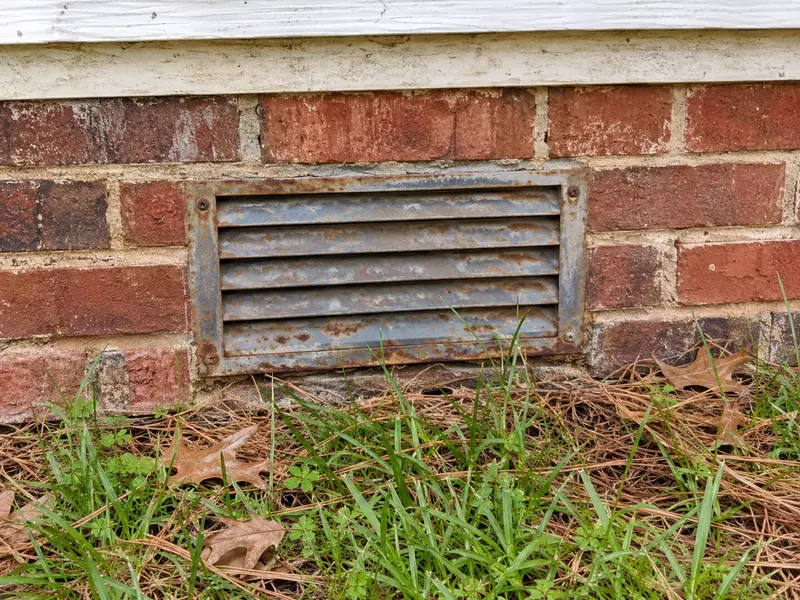
Are the vents shut for the cold?
- Look for
- Before a hard cold spell, walk the outside wall and check each vent. Rust can stop louvers from closing fully, so try them gently.
- What it tells you
- Closing vents in winter and reopening in spring is Clemson’s advice1. Wrapping does less if cold air is blowing straight across the pipes. Foundation vents has the summer side.
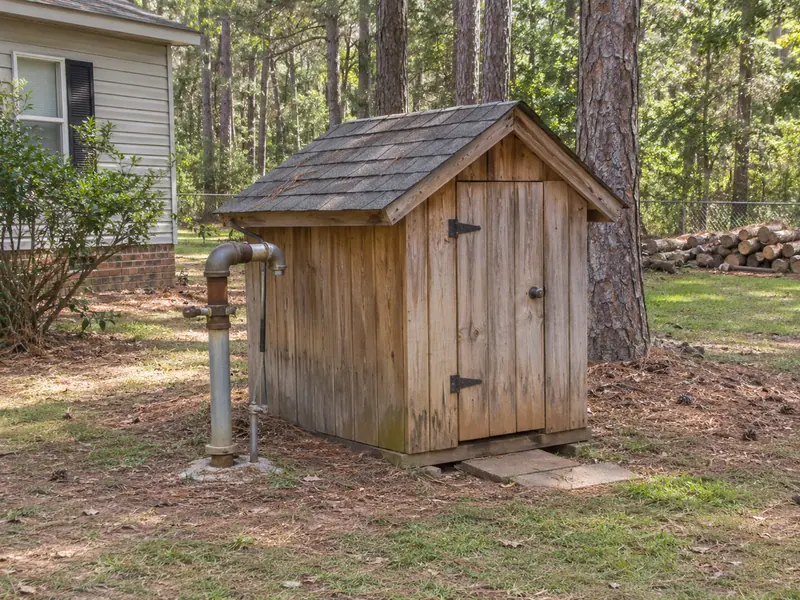
On a well, check the line to the tank
- Look for
- Look at the run between the well and the pressure tank. Note any bare length in a shed or under the house.
- What it tells you
- Water in that stretch moves only when the pump runs. Clemson suggests about 6 gallons an hour to cycle the pump in poorly insulated spots2.
If a pipe has burst, what comes first?
Go to the main shutoff. Burst pipes often go unnoticed until temperatures climb back above freezing1, so listen for running water as it warms up. A freeze is coming lists the night-before checks, and your house shutoff shows where to look.
| Outside temperature | Flow needed | What that looks like |
|---|---|---|
| 25°F | 0.23 to 0.28 gallons an hour | About 0.25: a 3-ounce cup fills in 5 min 37 sec |
| 5°F | 0.57 to 0.68 gallons an hour | More than double. For scale, 1 gallon an hour fills the cup in 1 min 24 sec |
| Four faucets, 10 hours | 1 gallon an hour each | About 40 gallons in all |
Yours to do
- Slip foam on any bare line you can reach from the hatch or in the garage, hot and cold, without going under. Skip it if the hatch shows standing water, sewage or live wiring, or you smell gas.
- Find and test your main shutoff and the water heater shutoff before it freezes1.
- On a freezing night, let faucets run a little, hot and cold, using the flow in the table2.
For a licensed pro
- Wrapping long runs under the floor, or anything close to wiring.
- A line that has frozen where you can’t reach it. Open faucets as Clemson says, and keep open flame well away.
- Adding a house shutoff if you don’t have one, which the Columbia utility has recommended every property owner have3.